
Description
Title: Understanding Fructose: Benefits, Drawbacks, and Considerations
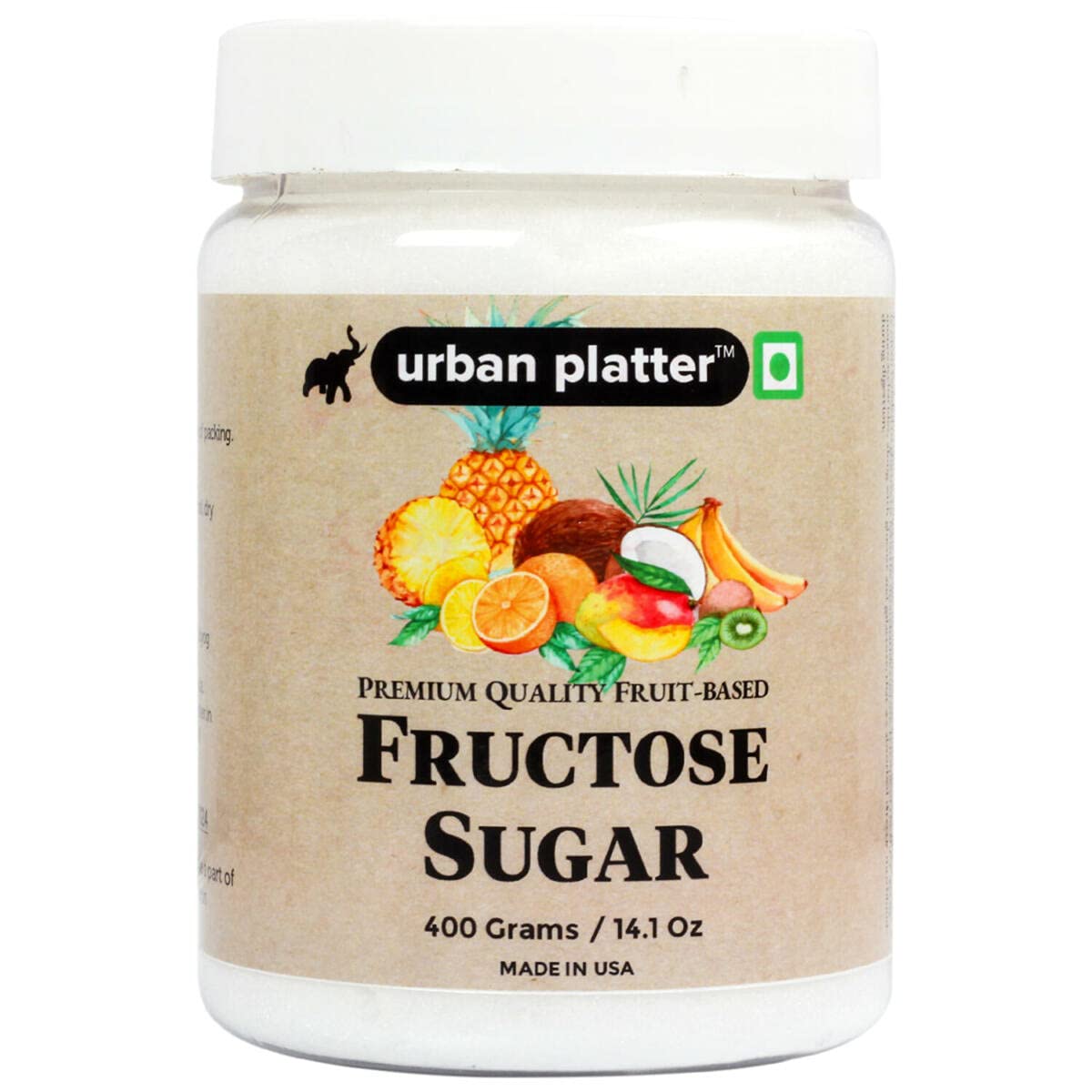
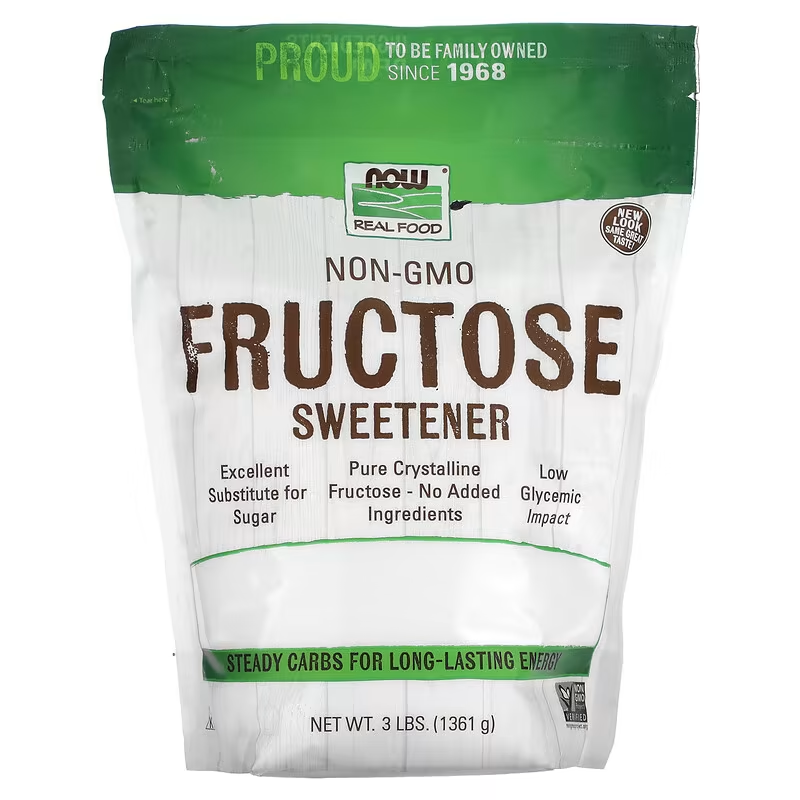
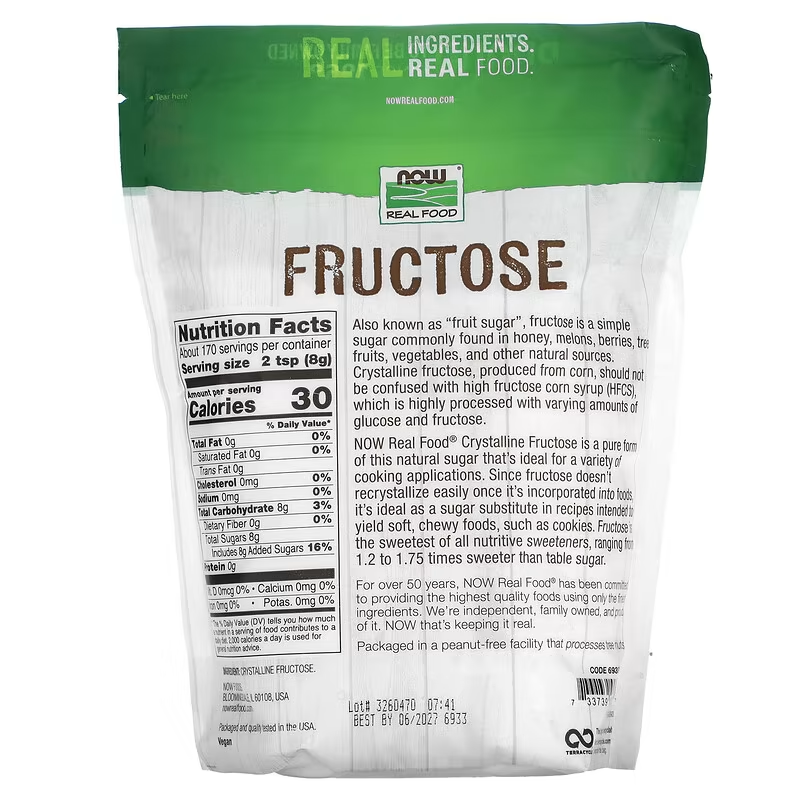
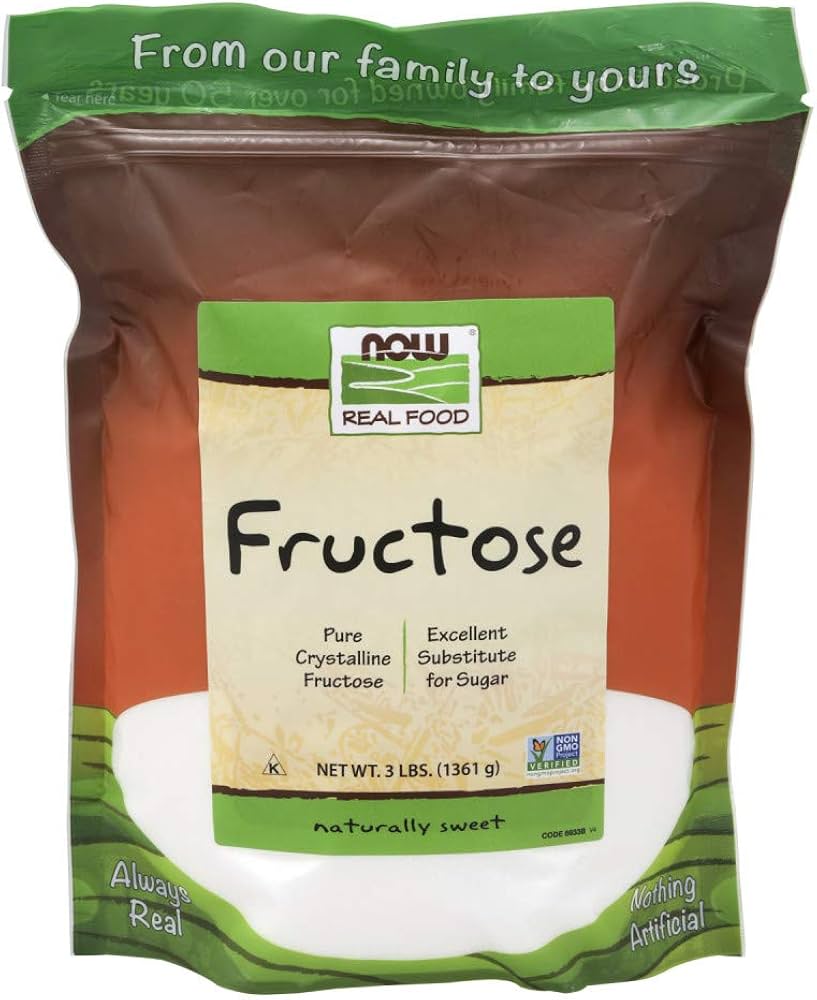
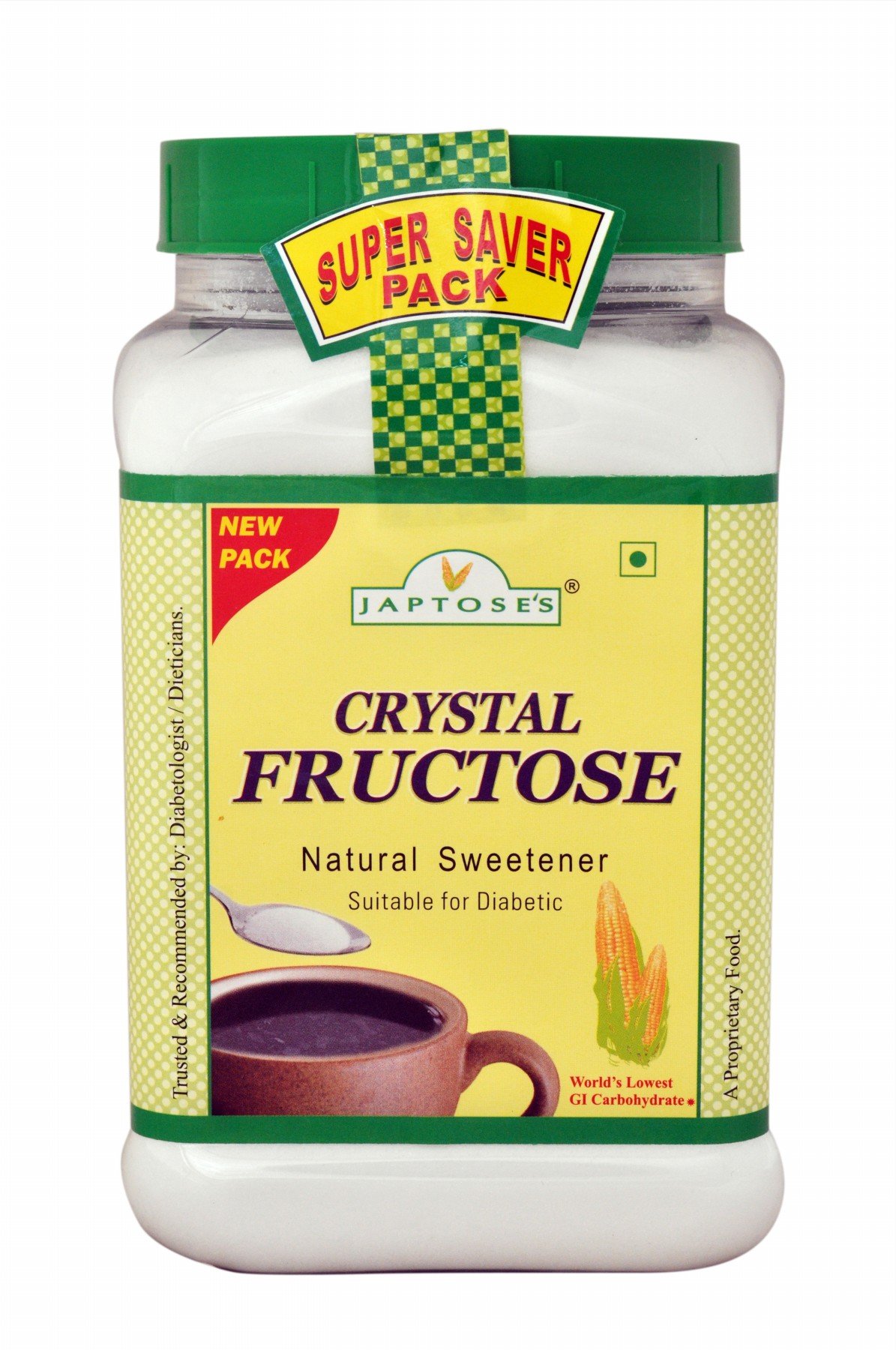
Fructose, a simple sugar found in fruits, vegetables, and honey, has been a subject of much debate in recent years. While it is a natural source of energy and provides numerous health benefits when consumed in its natural form, excessive intake of fructose, particularly in the form of high fructose corn syrup, has been linked to various health issues. This article aims to provide a balanced view of fructose, discussing its benefits, drawbacks, and factors to consider when incorporating it into your diet.
Benefits of Fructose:
- Quick Energy Source: Fructose is a simple sugar that is quickly absorbed by the body, providing a rapid energy boost. This makes it an ideal source of energy for athletes and individuals with active lifestyles.
- Natural Occurrence: Fructose is naturally present in fruits, vegetables, and honey. Consuming these whole foods ensures that you not only get the benefits of fructose but also essential nutrients, fiber, and antioxidants.
- Low Glycemic Index: Fructose has a lower glycemic index than other sugars, such as glucose or sucrose. This means that it does not cause a rapid spike in blood sugar levels, making it a more suitable option for individuals with diabetes or those looking to maintain stable blood sugar levels.
- Enhances Flavor and Palatability: Fructose has a sweet taste and can enhance the flavor and palatability of foods, making it easier for individuals with a sweet tooth to consume a balanced diet.
Drawbacks of Fructose:
- Empty Calories: While fructose provides energy, it lacks essential nutrients. Consuming excessive amounts of fructose can lead to weight gain and other health issues due to the intake of empty calories.
- Link to Chronic Diseases: High fructose consumption, particularly in the form of high fructose corn syrup, has been linked to various health issues, including obesity, type 2 diabetes, non-alcoholic fatty liver disease, and cardiovascular disease.
- Dental Health: Fructose, like other sugars, can contribute to tooth decay and cavities when consumed in excess, especially when not accompanied by proper oral hygiene.
- Fructose Intolerance: Some individuals may have fructose intolerance, a condition where the body cannot properly digest and absorb fructose. This can lead to digestive issues, such as bloating, diarrhea, and abdominal pain.
Considerations when Consuming Fructose:
- Limit Processed Foods: High fructose corn syrup is often added to processed foods and beverages, contributing to excessive fructose intake. Limit processed foods and opt for whole, natural sources of fructose instead.
- Portion Control: Even when consuming natural sources of fructose, it is essential to practice portion control to avoid overconsumption.
- Balanced Diet: Ensure that your diet is well-balanced and includes various nutrient-dense foods to minimize the risks associated with high fructose intake.
- Individual Needs: Consider your individual needs, such as activity level, health status, and genetic predisposition, when determining the appropriate amount of fructose for your diet.
In conclusion, fructose can be a valuable source of energy and provide numerous health benefits when consumed in its natural form and in moderation. However, excessive intake, particularly in the form of high fructose corn syrup, can lead to various health issues. By understanding the benefits and drawbacks of fructose and making informed choices about your diet, you can enjoy the natural sweetness of fructose while maintaining a healthy lifestyle.


Reviews
There are no reviews yet.