
Description
Fosfomycin: An Overview of an Essential Antibiotic
Fosfomycin, a broad-spectrum antibiotic, has garnered attention in both clinical and research settings for its unique mechanism of action and effectiveness against a variety of bacterial infections. Initially discovered in the late 1960s, Fosfomycin was first derived from the bacterium Streptomyces fradiae. Over the years, it has evolved into a vital option for treating infections, particularly those caused by multi-drug resistant bacteria.
Mechanism of Action
Fosfomycin operates through a distinctive mechanism that targets bacterial cell wall synthesis. Specifically, it inhibits the enzyme enolpyruvyl transferase (MurA), which plays a crucial role in the formation of peptidoglycan, an essential component of the bacterial cell wall. By blocking this enzyme, Fosfomycin effectively halts the growth and division of bacteria, allowing the immune system to combat the infection more effectively.
Clinical Applications
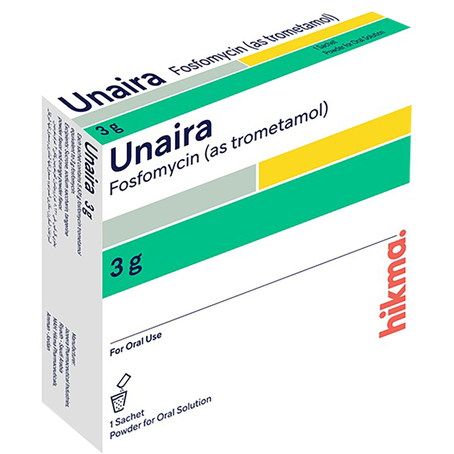
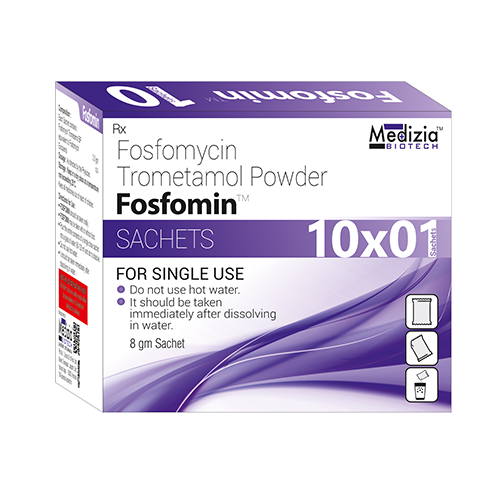
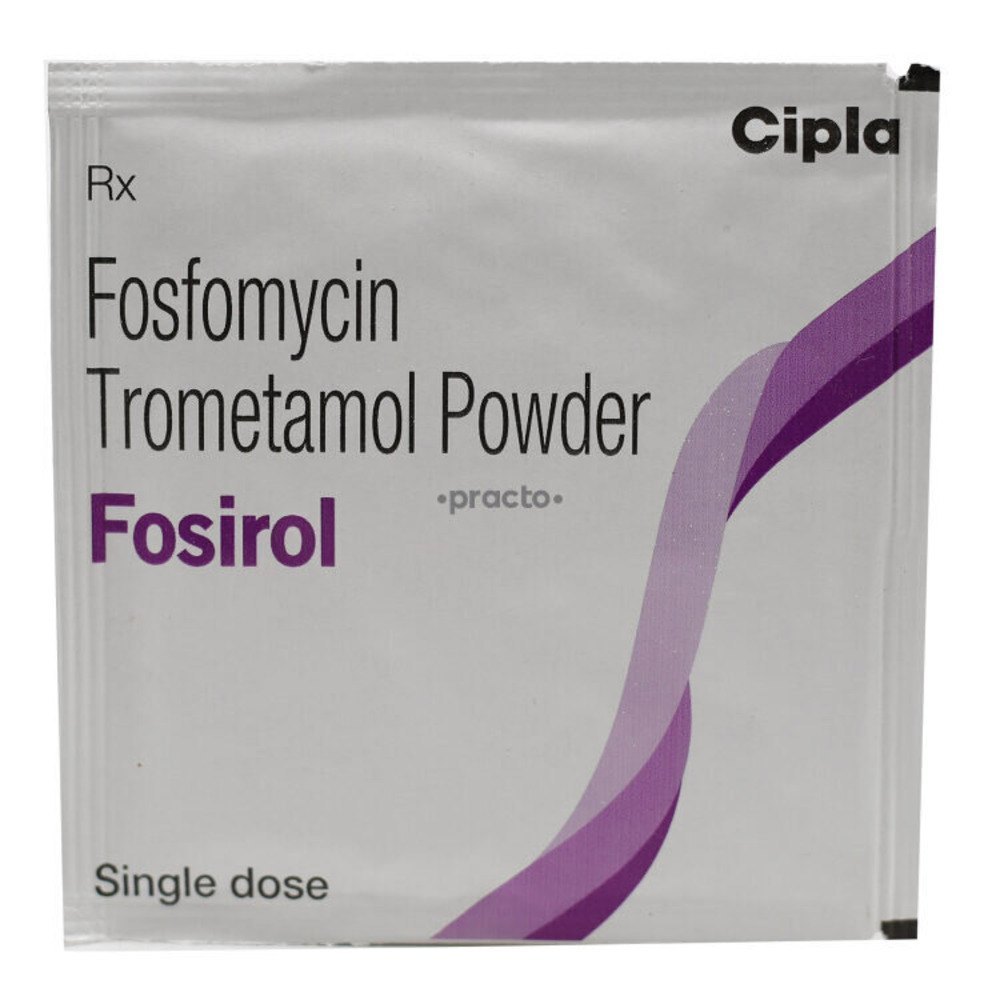
Fosfomycin is primarily indicated for the treatment of uncomplicated urinary tract infections (UTIs), particularly those caused by Escherichia coli and Enterococcus faecalis. Its single-dose oral formulation allows for easy administration and promotes patient compliance. Beyond uncomplicated UTIs, Fosfomycin has exhibited efficacy against a range of pathogens, including multi-drug resistant strains, making it a valuable option in the era of increasing antibiotic resistance.
In recent years, the use of Fosfomycin has expanded, with studies indicating its potential for treating more complicated infections, including those caused by Pseudomonas aeruginosa and Acinetobacter baumannii. This has been particularly relevant in hospital settings, where such pathogens pose significant challenges to effective treatment.
Resistance and Challenges
One of the main concerns surrounding antibiotic use today is the development of resistance. Although resistance to Fosfomycin is not as prevalent when compared to other antibiotics, cases of resistance have been reported. Mechanisms of resistance include mutations in the target enzyme and modifications in the phosphotransferase system, which is responsible for drug uptake in bacteria.
In light of this, careful stewardship and monitoring of Fosfomycin use are crucial to mitigate the development of resistance. In many countries, physicians are encouraged to use Fosfomycin judiciously as part of a broader strategy to limit the spread of resistant bacteria.
Pharmacokinetics and Administration
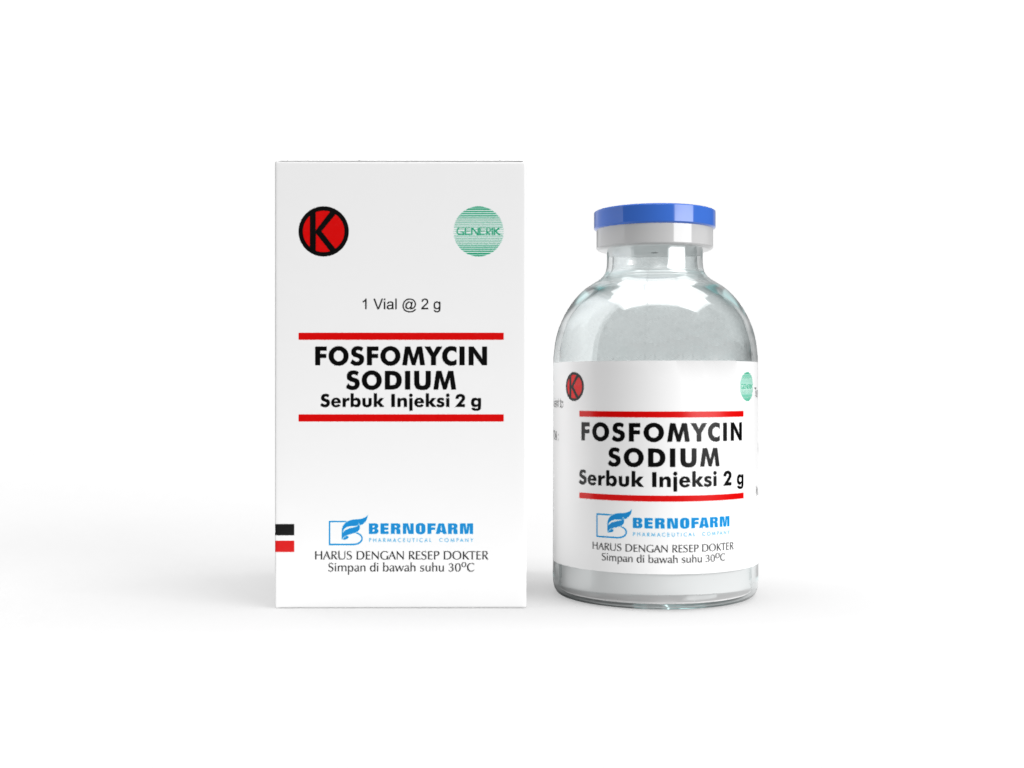
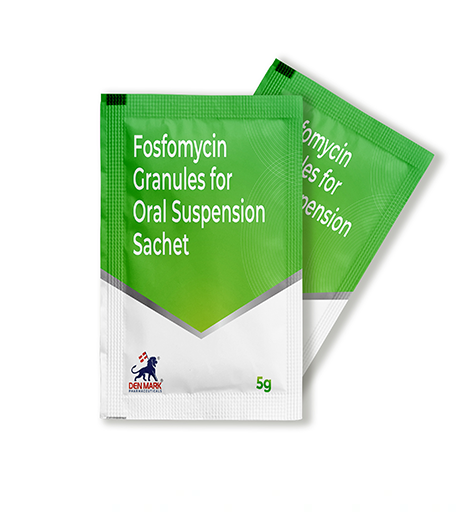
Fosfomycin is typically administered in two forms: oral and intravenous. The oral formulation is particularly favored for treating uncomplicated UTIs due to its convenience and effectiveness. Following oral administration, Fosfomycin achieves peak plasma concentrations within a few hours, and it is excreted primarily unchanged in the urine, which is advantageous for treating urinary infections.
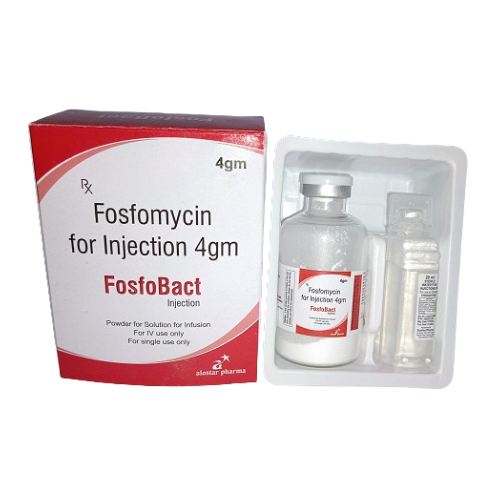
In contrast, the intravenous form of Fosfomycin is used for more serious infections and is generally reserved for hospital settings where patients may require more intensive treatment.
Future Directions
Ongoing research continues to unveil new applications and combinations of Fosfomycin with other antibiotics to enhance its efficacy and combat resistance. In addition, studies exploring its use in treating biofilm-associated infections and its role in surgical prophylaxis are promising areas of investigation.
As the world faces an escalating crisis of antibiotic resistance, Fosfomycin stands out as a beacon of hope in the fight against bacterial infections. Its unique properties and broad spectrum of activity make it a critical tool in the clinician’s arsenal. However, like all antibiotics, it must be used responsibly to preserve its effectiveness for future generations.
Conclusion
Fosfomycin is an essential antibiotic with a unique mechanism that provides effective treatment options for a range of bacterial infections, particularly in cases of multi-drug resistance. As healthcare professionals navigate the complexities of antibiotic management, Fosfomycin remains a key player, reinforcing the need for continued research and responsible use in clinical practice. Its role in combating infections, especially in an era marked by rising resistance, underscores the significance of preserving such valuable antimicrobial agents.


Reviews
There are no reviews yet.