










Description
Formaldehyde: The Ubiquitous Compound with a Complex Reputation
Formaldehyde. The name might conjure images of high school biology labs and preserved specimens. While true, this pungent, colorless gas is far more prevalent in our lives than many realize. From the furniture in our homes to the clothes we wear, formaldehyde plays a vital, though sometimes controversial, role.
What is Formaldehyde?
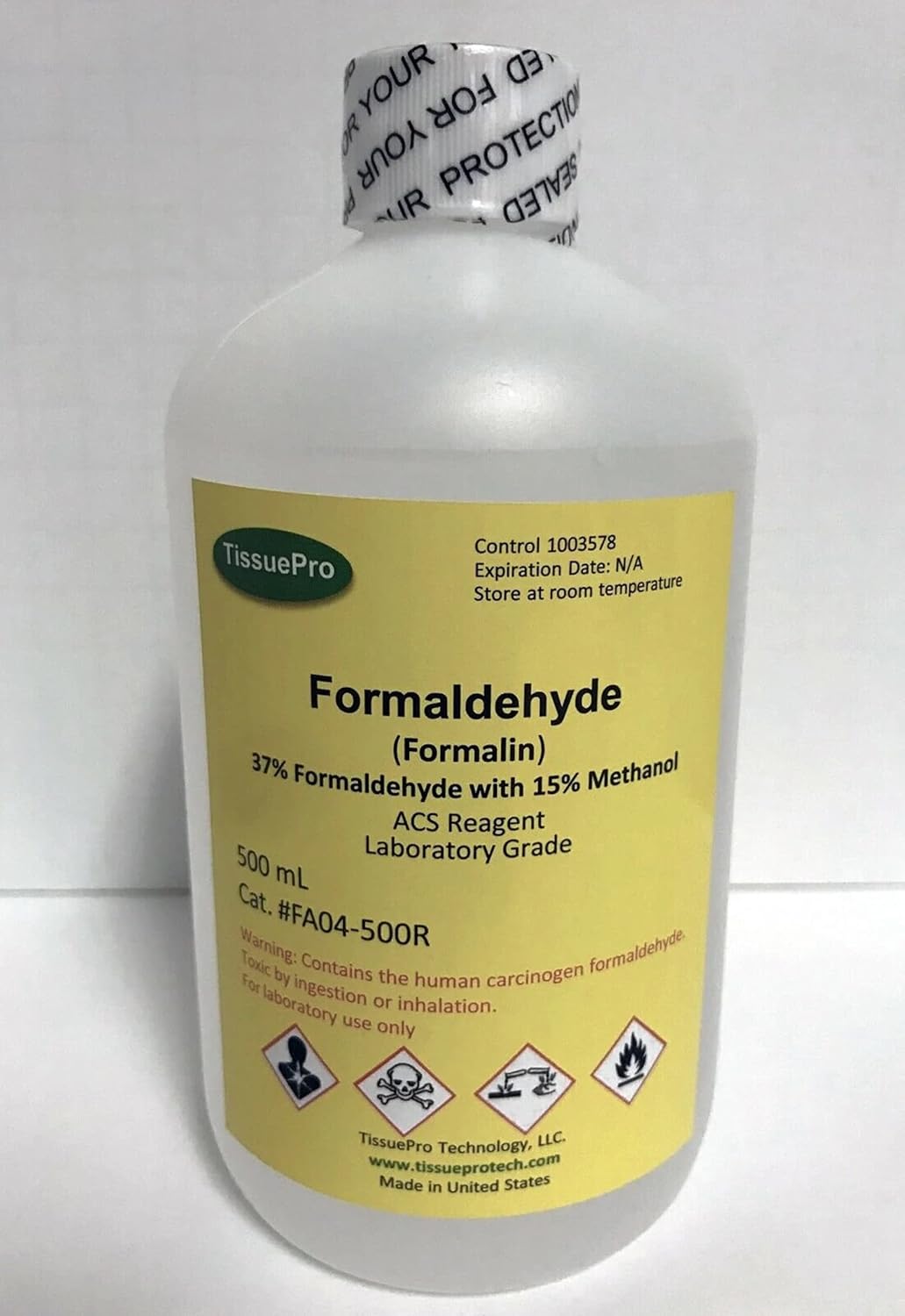
Formaldehyde is a naturally occurring organic compound with the chemical formula CH₂O. It’s the simplest aldehyde and exists primarily in gaseous form at room temperature. While naturally present in the environment, including in the human body as a byproduct of metabolism, it’s also manufactured on a large scale.
Ubiquitous Applications:
Formaldehyde’s versatility stems from its ability to bind to other chemicals, offering a range of applications:
- Resins and Adhesives: This is where formaldehyde shines. It’s a key ingredient in resins used to manufacture many wood products like plywood, particleboard, and MDF (medium-density fiberboard). These resins act as adhesives, binding wood fibers together to create strong and durable materials. This is a major reason formaldehyde is found in furniture, cabinets, and flooring.
- Textiles: Formaldehyde-based resins are used to treat fabrics, making them wrinkle-resistant, colorfast, and shrink-proof. This improves the durability and appearance of clothing and other textiles.
- Disinfectants and Preservatives: Formaldehyde is a potent antimicrobial agent, used as a disinfectant in hospitals and laboratories to sterilize equipment. Its preservative properties also make it useful in embalming and preserving biological specimens.
- Industrial Chemical: Formaldehyde is a building block for manufacturing various other chemicals, including plastics, paints, coatings, and even some pharmaceuticals.
The Controversy: Health Concerns & Regulations
Despite its widespread use, formaldehyde has drawn considerable scrutiny due to its potential health effects.
- Irritant: Even at low levels, formaldehyde can irritate the eyes, nose, and throat. Symptoms may include watery eyes, coughing, sneezing, and skin irritation.
- Asthma Trigger: For individuals with asthma, exposure to formaldehyde can trigger or worsen asthma symptoms.
- Carcinogen: The International Agency for Research on Cancer (IARC) classifies formaldehyde as “carcinogenic to humans,” based on evidence linking it to nasopharyngeal cancer and leukemia, particularly in occupational settings with high levels of exposure.
These health concerns have led to regulations aimed at limiting formaldehyde emissions from various products:
- California Air Resources Board (CARB): CARB has established stringent emission standards for formaldehyde in composite wood products sold in California. These regulations are often adopted by other states and countries.
- Formaldehyde Standards for Composite Wood Products Act (TSCA Title VI): In the United States, this Act mirrors the CARB regulations and sets national standards for formaldehyde emissions from composite wood products.
- Occupational Safety and Health Administration (OSHA): OSHA has set permissible exposure limits (PELs) for formaldehyde in the workplace to protect workers from excessive exposure.
Minimizing Exposure:
While formaldehyde is pervasive, individuals can take steps to minimize their exposure:
- Choose Low-Emission Products: Look for furniture, cabinets, and flooring made with “ULEF” (Ultra-Low Emitting Formaldehyde) or “NAF” (No Added Formaldehyde) resins.
- Ventilate Your Home: Proper ventilation, especially when bringing new furniture into your home, can help reduce formaldehyde concentrations. Consider using air purifiers with activated carbon filters.
- Wash New Clothing: Washing new clothes before wearing them can help remove some of the formaldehyde used in textile finishing.
- Maintain Adequate Humidity: Low humidity can increase formaldehyde emissions. Maintaining humidity levels between 30-50% can help.
Conclusion:
Formaldehyde is a complex compound with a broad range of applications that contribute significantly to our modern lives. While its benefits are undeniable, its potential health risks necessitate caution and awareness. By understanding the sources of formaldehyde exposure and taking steps to minimize it, we can mitigate potential harm and enjoy the benefits of this ubiquitous compound more safely. Continued research and stricter regulations are crucial to ensure the responsible use of formaldehyde and protect public health.



Reviews
There are no reviews yet.