


Description
Formaldehyde: A Ubiquitous Chemical with a Complex Story
Formaldehyde, a seemingly simple chemical compound, plays a surprisingly influential role in modern life. From building materials to medical applications, its versatility has made it indispensable in numerous industries. However, its presence also raises concerns regarding potential health effects, making it a compound that demands careful consideration.
What is Formaldehyde?
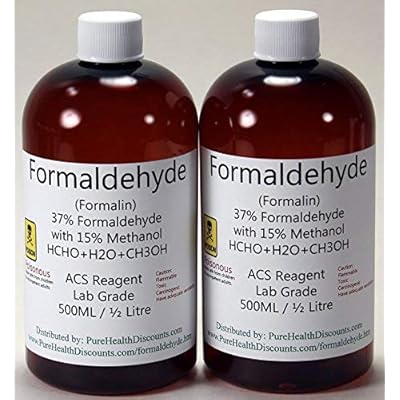
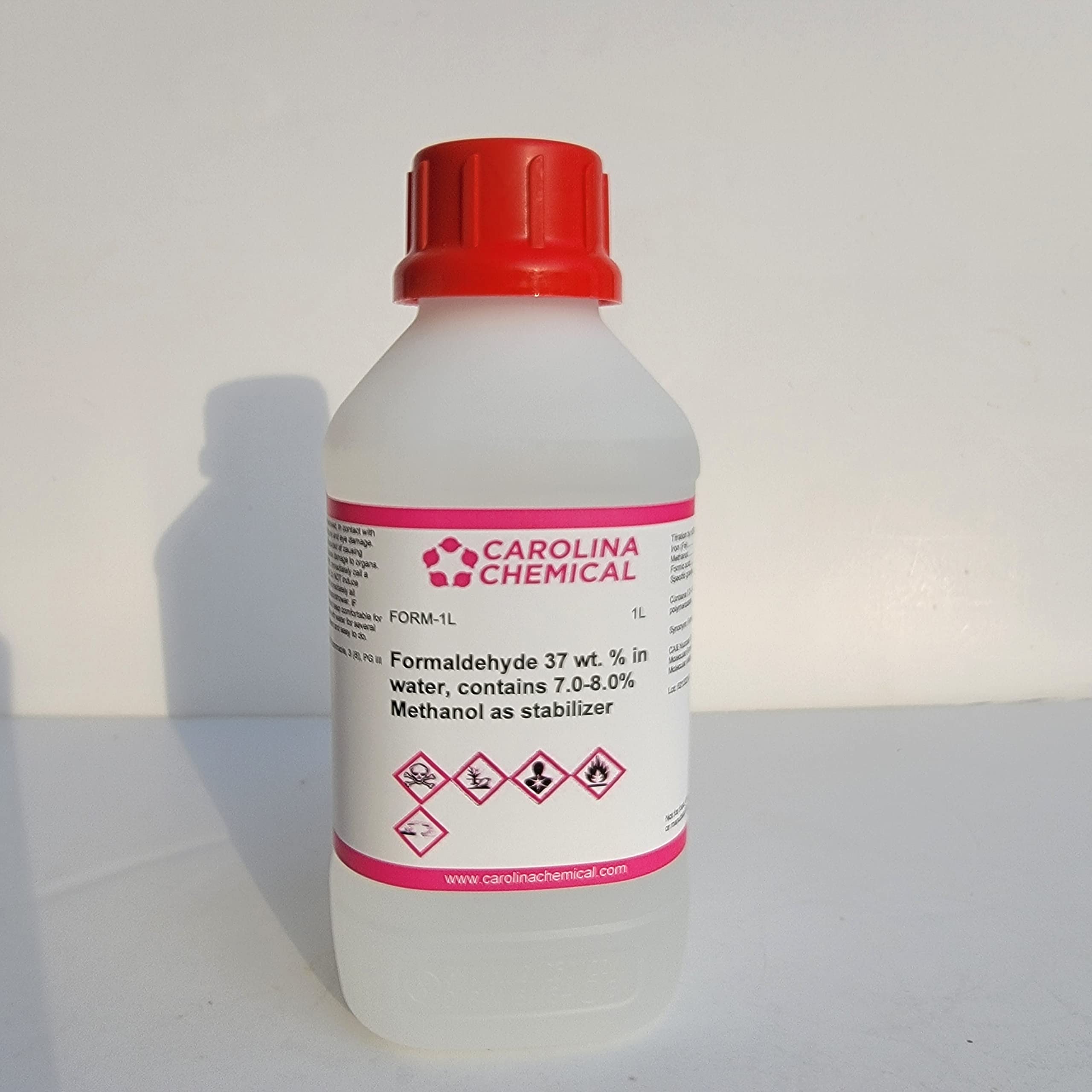
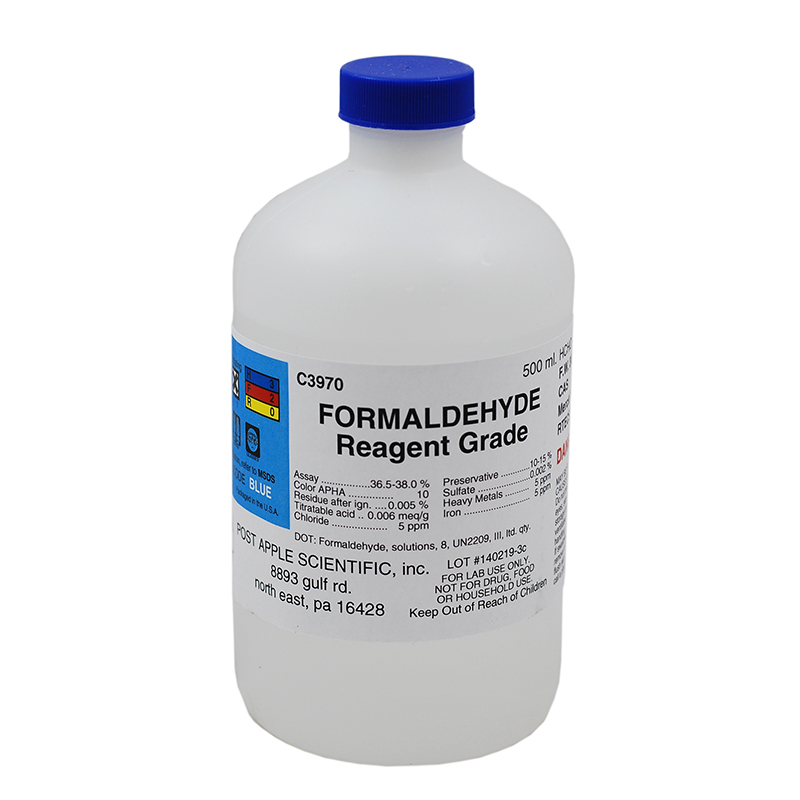
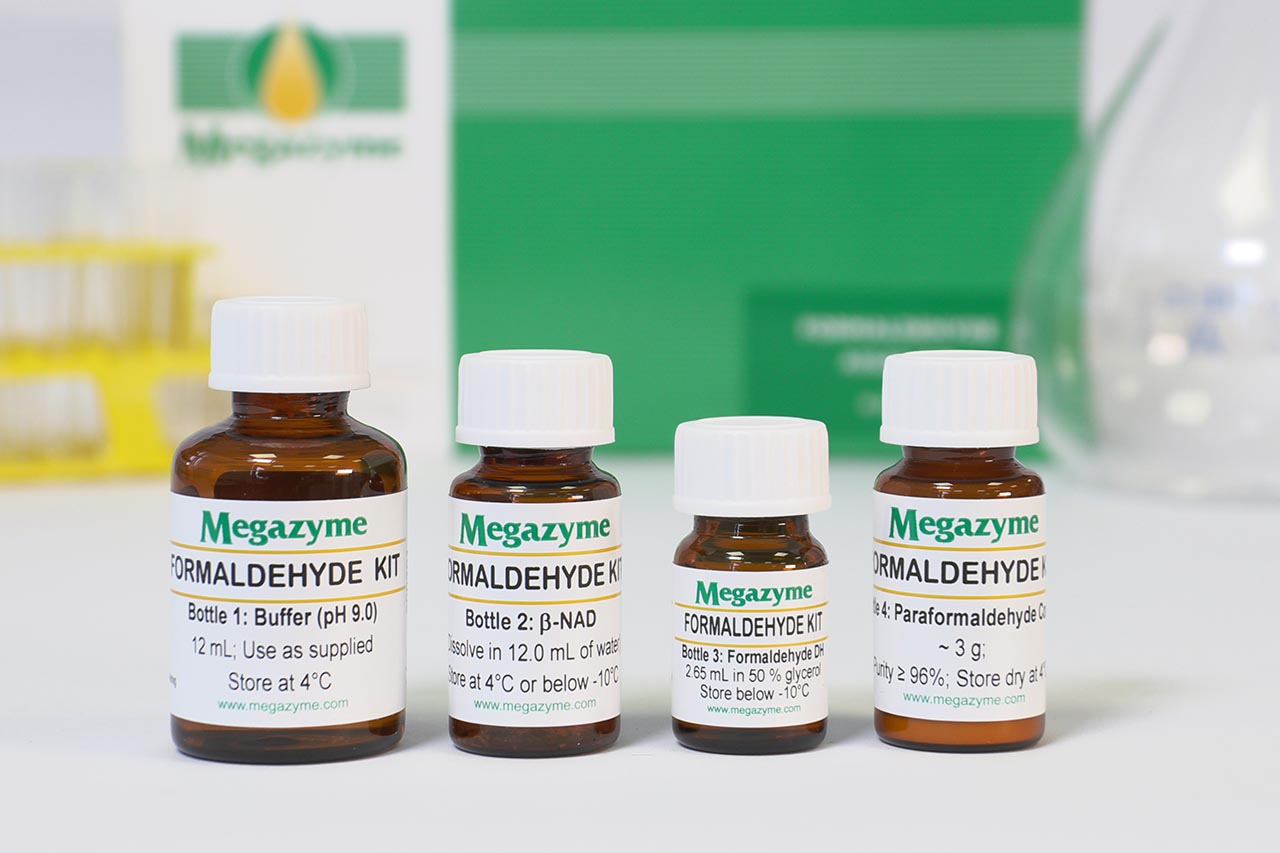
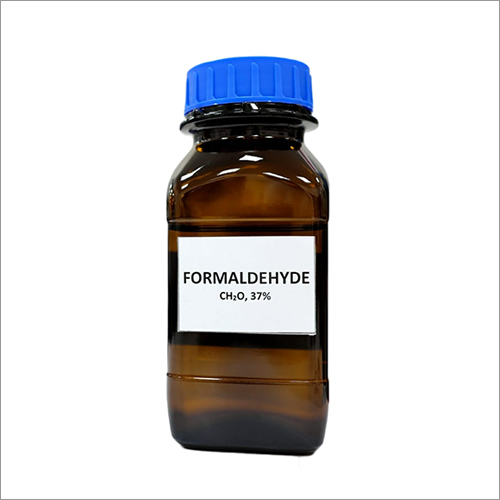
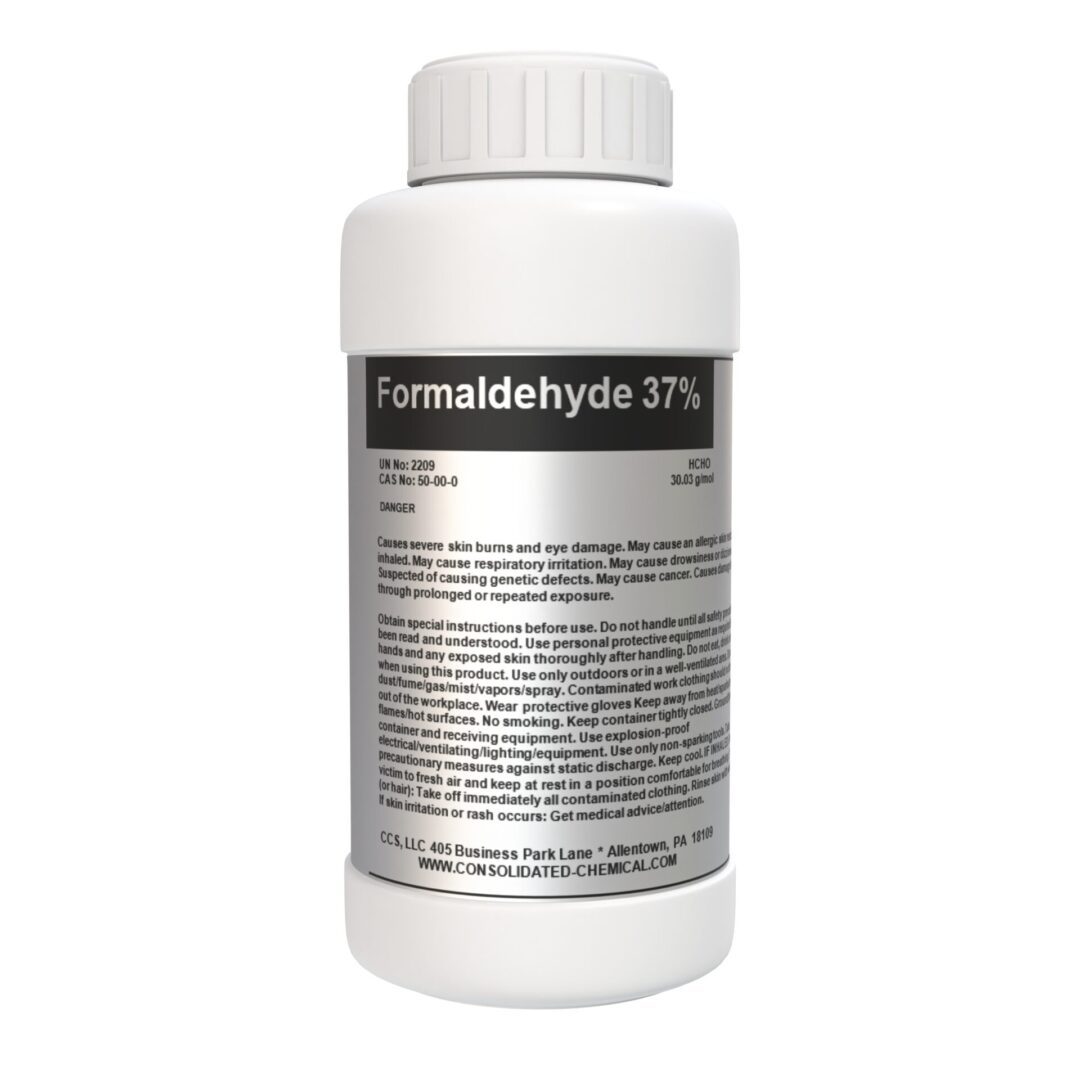
Formaldehyde (CH₂O) is a naturally occurring organic compound, existing as a colorless gas with a pungent odor. It’s most commonly used in the form of formalin, an aqueous solution containing around 37% formaldehyde. Formaldehyde readily polymerizes, meaning its molecules can link together to form larger chains, resulting in polymers like resins used extensively in manufacturing.
The Ubiquitous Uses of Formaldehyde:
Formaldehyde’s versatile properties make it a key ingredient in a wide array of products and processes:
- Building Materials: A significant amount of formaldehyde is used in the production of resins, which act as binders in particleboard, plywood, and other composite wood products. These are crucial for construction and furniture manufacturing.
- Textiles: Formaldehyde-based resins are utilized in textiles to impart wrinkle resistance, improve durability, and prevent shrinkage.
- Plastics and Coatings: It’s a component in the production of various plastics, including melamine, used in countertops and dinnerware, and urea-formaldehyde foam insulation.
- Medical Applications: Formaldehyde is used as a disinfectant, sterilizer, and preservative in medical settings. It’s also used to embalm deceased bodies and preserve biological specimens.
- Other Industries: It finds applications in the production of fertilizers, paints, adhesives, and even some cosmetics.
The Health Concerns:
While formaldehyde offers many benefits, exposure to elevated levels can pose health risks. The severity of these effects depends on the concentration, duration, and route of exposure.
- Short-Term Effects: Exposure to low levels of formaldehyde can cause irritation of the eyes, nose, and throat. Headaches, skin rashes, and breathing difficulties are also possible.
- Long-Term Effects: Prolonged or repeated exposure to higher levels of formaldehyde is linked to an increased risk of certain types of cancer, particularly nasopharyngeal cancer and leukemia. It can also exacerbate respiratory conditions like asthma.
Regulation and Mitigation:
Recognizing the potential health hazards, regulatory bodies worldwide have implemented measures to control formaldehyde emissions. These regulations aim to minimize exposure, particularly in indoor environments. Key strategies include:
- Emission Standards: Setting limits on the amount of formaldehyde that can be released from building materials, furniture, and other products.
- Product Labeling: Requiring manufacturers to label products containing formaldehyde and provide information about potential health risks.
- Ventilation: Ensuring adequate ventilation to dilute and remove formaldehyde from indoor air.
- Low-Formaldehyde Alternatives: Encouraging the development and use of alternative materials and products with lower formaldehyde content or formaldehyde-free formulations.
Striking a Balance:
Formaldehyde presents a complex dilemma. Its versatility and affordability make it an indispensable component in many essential products. However, its potential health risks cannot be ignored. The key lies in striking a balance between utilizing the benefits of formaldehyde and mitigating its harmful effects through responsible manufacturing practices, stringent regulations, and conscious consumer choices.
Ongoing research into safer alternatives and improved emission control technologies promises to further minimize the risks associated with this ubiquitous chemical, ensuring a healthier environment for all. By understanding the complexities of formaldehyde and its impact, we can make informed decisions and contribute to a safer and more sustainable future.


Reviews
There are no reviews yet.