



Description
Beyond the Kitchen: Why Food Grade Sheets are Essential for Food Safety
We often think about food safety in terms of washing our hands, cooking temperatures, and proper storage. But what about the surfaces that directly touch our food during processing, storage, and transportation? This is where food grade sheets come into play, offering a crucial layer of protection against contamination and ensuring the safety of the food we consume.
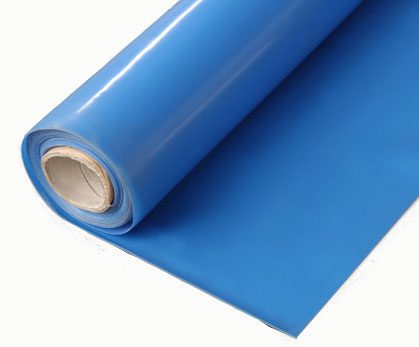
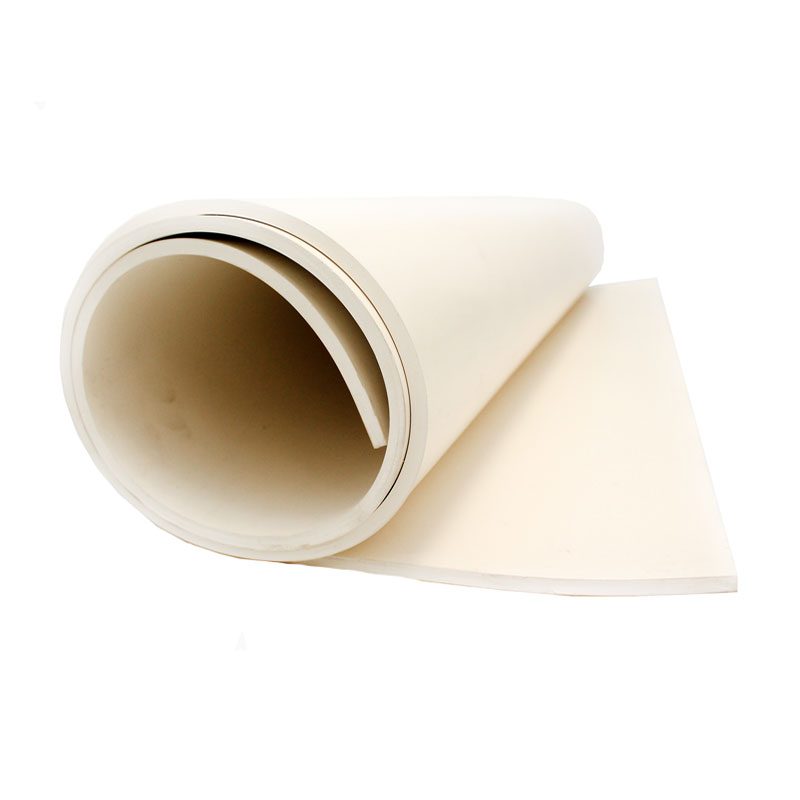
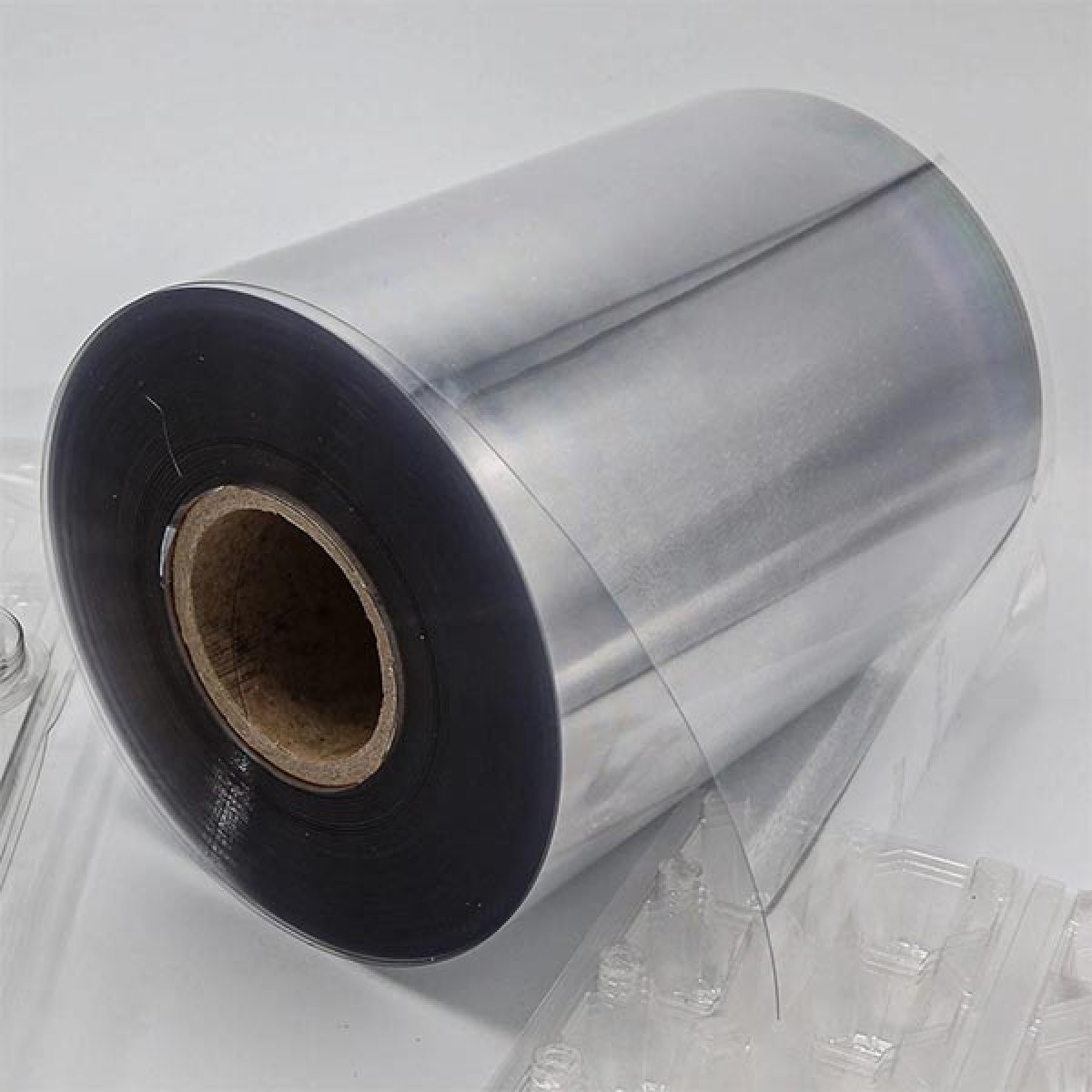
Food grade sheets, as the name suggests, are materials specifically manufactured and certified to be safe for direct contact with food. They are designed not to leach harmful chemicals, harbor bacteria, or alter the taste or odor of the food they protect. These sheets are more than just a convenient lining; they are an integral part of maintaining hygiene and preventing spoilage across various stages of the food supply chain.
What are Food Grade Sheets Made Of?
Food grade sheets come in a variety of materials, each offering specific properties that make them suitable for different applications. Common materials include:
- Polyethylene (PE): This versatile plastic is known for its flexibility, durability, and resistance to moisture. It’s commonly used for pallet liners, drum liners, and general food packaging.
- Polypropylene (PP): PP offers excellent chemical resistance and can withstand high temperatures, making it ideal for applications involving hot fill processes or sterilization.
- Polytetrafluoroethylene (PTFE) (Teflon): Known for its non-stick properties, PTFE is widely used for lining baking trays, conveyor belts, and other surfaces where easy release is crucial.
- Stainless Steel: A durable and corrosion-resistant option, stainless steel is a popular choice for equipment surfaces, cutting boards, and food processing machinery.
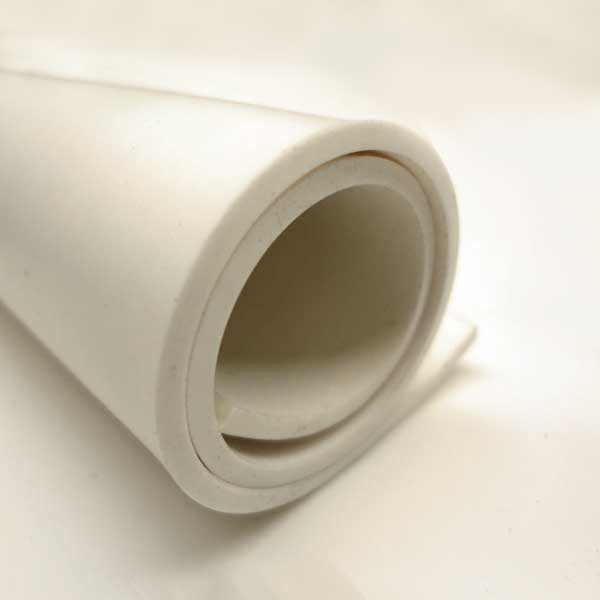
- Silicone: With its flexibility, heat resistance, and non-reactivity, silicone is often used for baking mats, molds, and seals.
Why are Food Grade Sheets so Important?
The benefits of using food grade sheets extend far beyond simply providing a barrier between food and other surfaces. Here’s why they are so important:
- Prevent Contamination: Food grade sheets act as a barrier against contaminants such as dust, dirt, pests, and microorganisms. They prevent these substances from coming into direct contact with food, minimizing the risk of spoilage and foodborne illnesses.
- Maintain Hygiene: These sheets are easy to clean and sanitize, making it easier to maintain a hygienic environment in food processing plants, warehouses, and transportation vehicles. Their smooth surfaces prevent the buildup of bacteria and other harmful substances.
- Extend Shelf Life: By protecting food from moisture, air, and other environmental factors, food grade sheets can help extend the shelf life of perishable products. This is particularly important for long-distance transportation and storage.
- Comply with Regulations: Food safety regulations, such as those enforced by the FDA in the United States and similar agencies worldwide, often mandate the use of food grade materials in contact with food. Using certified food grade sheets ensures compliance and avoids potential penalties.
- Maintain Food Quality: Food grade sheets do not impart any unwanted flavors, odors, or colors to the food they protect. This helps maintain the original quality and taste of the products.
- Reduce Waste: By protecting food from spoilage, food grade sheets help reduce food waste, leading to cost savings and environmental benefits.
Applications of Food Grade Sheets:
Food grade sheets are used in a wide range of applications throughout the food industry, including:
- Packaging: Lining boxes, crates, and containers for transporting fruits, vegetables, meats, and other food products.
- Processing: Covering work surfaces, conveyor belts, and other equipment in food processing plants.
- Storage: Lining pallets, shelves, and cold storage facilities to protect food from contamination.
- Baking: Using silicone baking mats and PTFE-coated liners for non-stick baking and easy cleanup.
- Transportation: Protecting food during transit in trucks, trains, and ships.
Choosing the Right Food Grade Sheet:
Selecting the right type of food grade sheet depends on the specific application and the properties required. Factors to consider include:
- Type of Food: Different foods have different properties and require different levels of protection. For example, greasy foods may require sheets with high grease resistance.
- Temperature Range: Consider the temperature range the sheet will be exposed to, as some materials are more heat resistant than others.
- Chemical Exposure: If the sheet will be exposed to chemicals, such as cleaning agents, choose a material that is chemically resistant.
- Thickness and Durability: Select a sheet that is thick and durable enough to withstand the rigors of the application.
- Certifications: Ensure that the sheet is certified as food grade and meets relevant industry standards.
Conclusion:
Food grade sheets are a critical component of food safety and quality assurance. By preventing contamination, maintaining hygiene, and extending shelf life, they play a vital role in protecting the health of consumers and reducing food waste. Choosing the right type of food grade sheet for each application is essential to ensure its effectiveness and compliance with regulations. As the food industry continues to evolve, the importance of these protective layers will only continue to grow, ensuring that the food we consume is safe, wholesome, and of the highest quality.



Reviews
There are no reviews yet.