
Description
1. Product Overview
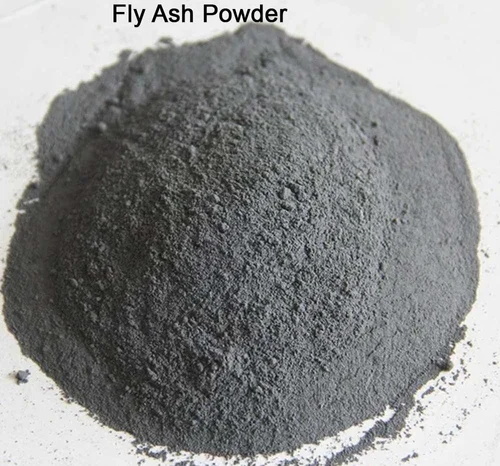
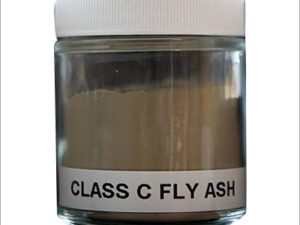
Fly Ash – Class F is a low-calcium pozzolanic material produced as a by-product of bituminous and anthracite coal combustion in thermal power plants. It is primarily used as a supplementary cementitious material (SCM) in concrete and cement production to enhance long-term strength, durability, and chemical resistance.
With high silica and alumina content and minimal free lime, Class F Fly Ash significantly improves sulfate resistance and reduces permeability in concrete structures. As global construction markets increasingly prioritize durability, lifecycle cost reduction, and carbon footprint mitigation, Class F Fly Ash plays a strategically critical role in sustainable and high-performance infrastructure development.
2. Key Specifications & Technical Characteristics
- Primary Chemical Composition:
- Silicon Dioxide (SiO₂)
- Aluminum Oxide (Al₂O₃)
- Iron Oxide (Fe₂O₃)
- Calcium Oxide (CaO – typically low)
- Combined SiO₂ + Al₂O₃ + Fe₂O₃: Typically ≥70%
- Calcium Oxide (CaO): Typically <10%
- Loss on Ignition (LOI): Typically ≤6% (grade dependent)
- Fineness: Typically ≥66% passing 45-micron sieve
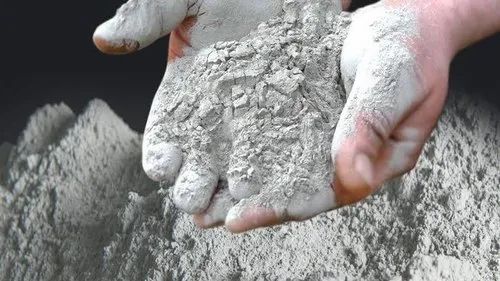
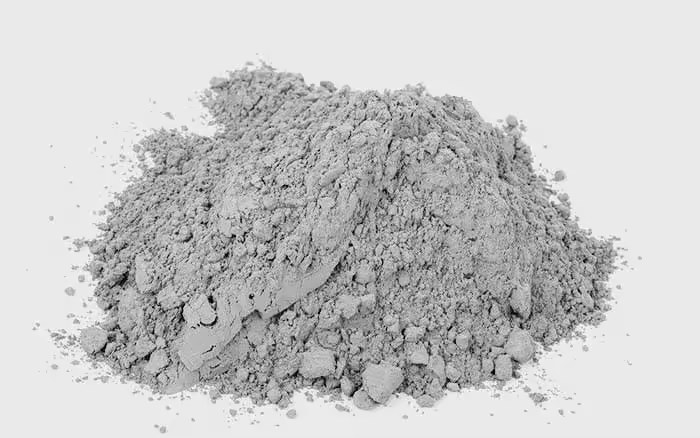
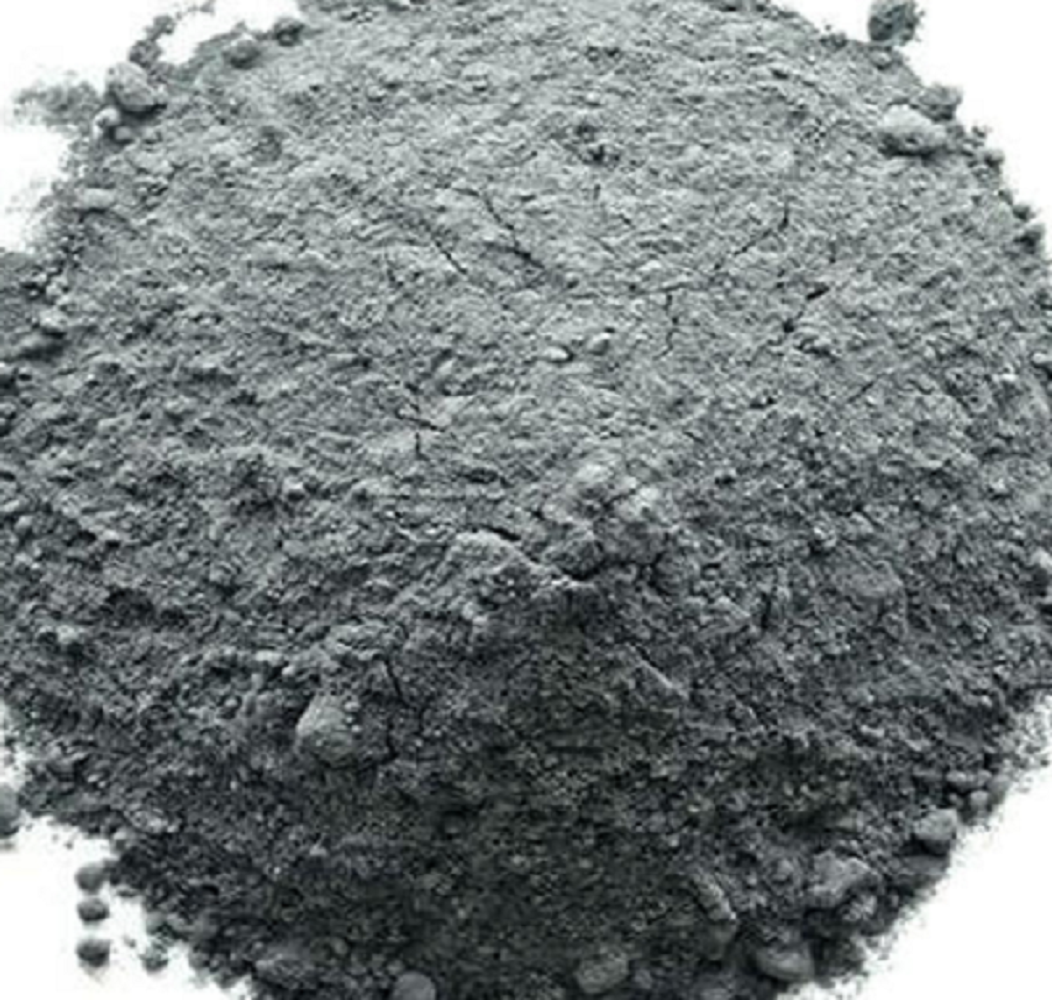
- Form: Fine powder
- Color: Light to dark grey
- Bulk Density: Approx. 1.0–1.3 MT/m³
- Moisture Content: Low; suitable for bulk pneumatic handling
- Standards Compliance: Conforms to ASTM C618 Class F (subject to batch certification)
- Packaging Options:
- Bulk tanker loading
- 1 MT jumbo bags
- 25–50 kg bags (on request)
- Shelf Life: Indefinite when stored in dry, sealed conditions
3. Core Industrial Applications
Primary Industries
- Ready-mix concrete production
- Cement manufacturing
- Infrastructure and marine construction
- Precast concrete manufacturing
Operational Use Cases
- Partial replacement of Portland cement in structural concrete
- Production of blended cement
- High-performance concrete for bridges, dams, and marine environments
- Mass concrete applications requiring reduced heat of hydration
Performance & Cost Advantages
Class F Fly Ash enhances long-term compressive strength and significantly improves resistance to sulfate attack and alkali-silica reaction (ASR). Its pozzolanic properties reduce permeability, increasing the durability and service life of concrete structures.
Compared to conventional Portland cement mixes, the use of Class F Fly Ash reduces clinker demand, lowers material costs, and decreases CO₂ emissions. It also improves workability and pumpability, supporting efficient placement in large-scale infrastructure projects.
4. Competitive Advantages
- Quality Consistency: Controlled sourcing from established power plants with certified batch testing and compliance documentation.
- Supply Reliability: High-volume, stable availability suitable for long-term infrastructure contracts.
- Logistics Capability: Bulk tanker transport and containerized export solutions for domestic and international markets.
- Price Competitiveness: Cost-effective substitute for a portion of Portland cement clinker.
- Sustainability Benefits: Supports carbon reduction strategies and circular economy objectives by repurposing industrial by-products.
- Technical Documentation: Comprehensive chemical analysis, physical test reports, and compliance certificates available upon request.
Fly Ash – Class F is positioned as a strategic procurement solution for construction and cement producers seeking enhanced durability performance, cost optimization, and sustainable infrastructure development.
5. Commercial & Supply Information
- Minimum Order Quantity (MOQ): Bulk 20 MT
- Loading Capacity:
- 20ft Container: Approx. 20–25 MT
- 40ft Container: Approx. 25–28 MT (subject to transport regulations)
Long-term supply agreements and project-based volume pricing structures are available for industrial buyers.
Reviews
There are no reviews yet.