
Description
1. Product Overview
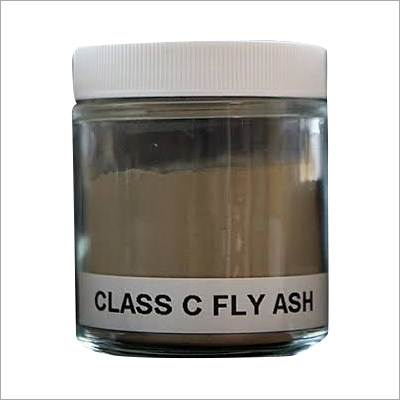
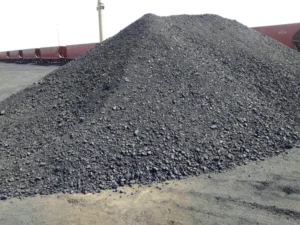
Fly Ash – Class C is a high-calcium pozzolanic material produced as a by-product of lignite or sub-bituminous coal combustion in thermal power plants. It is primarily used as a supplementary cementitious material (SCM) in concrete production, enhancing strength development, workability, and long-term durability.
With both cementitious and pozzolanic properties, Class C Fly Ash contributes to improved early strength gain and reduced clinker consumption in blended cement systems. As global construction industries prioritize cost efficiency and carbon reduction, Class C Fly Ash plays a strategically critical role in sustainable infrastructure development and low-carbon concrete manufacturing.
2. Key Specifications & Technical Characteristics
- Primary Chemical Composition:
- Calcium Oxide (CaO) – typically 15%–30%
- Silicon Dioxide (SiO₂)
- Aluminum Oxide (Al₂O₃)
- Iron Oxide (Fe₂O₃)
- Combined SiO₂ + Al₂O₃ + Fe₂O₃: Typically ≥50%
- Loss on Ignition (LOI): Typically ≤6% (grade dependent)
- Free Lime Content: Present (self-cementing property)
- Fineness: Typically 65%–75% passing 45-micron sieve
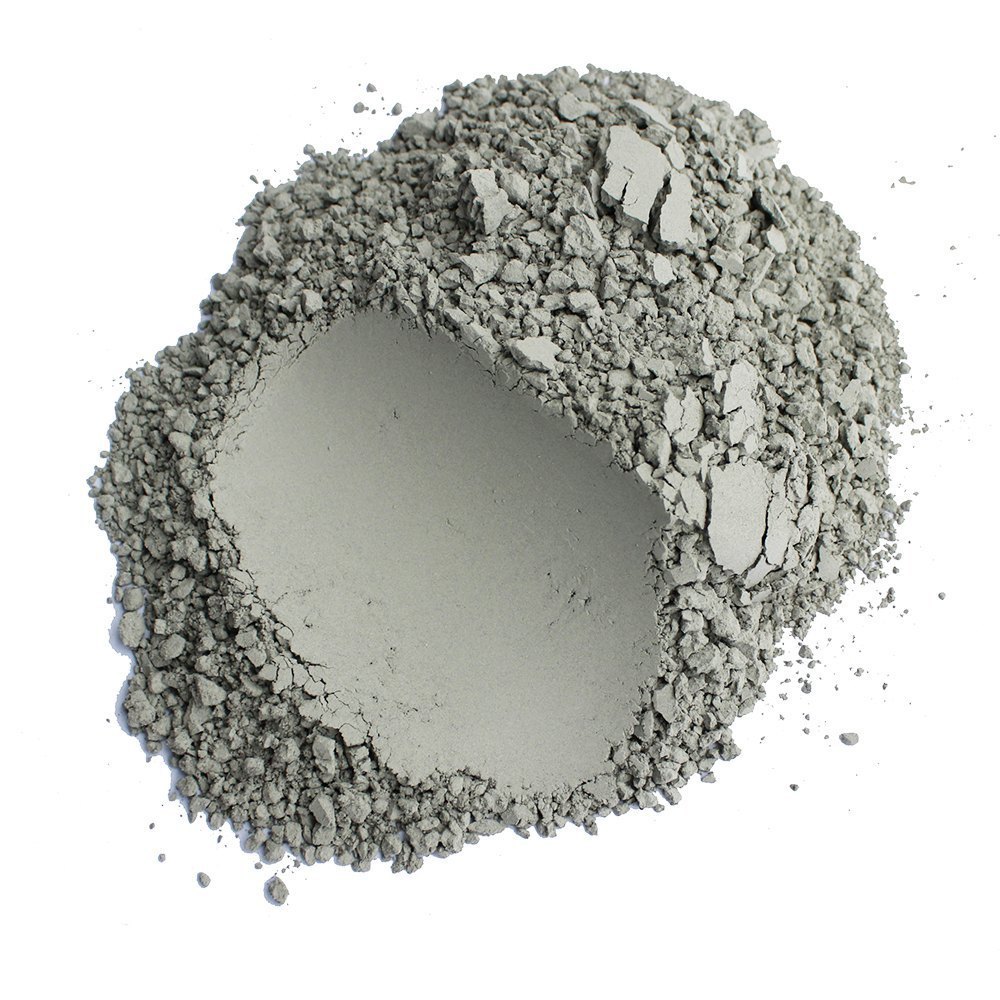
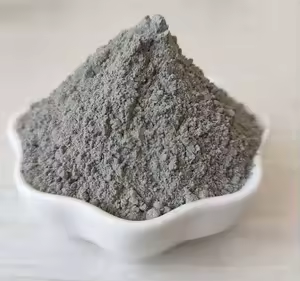
- Form: Fine powder
- Color: Light grey to tan
- Bulk Density: Approx. 1.0–1.4 MT/m³
- Moisture Content: Low; controlled for bulk handling
- Standards Compliance: Conforms to ASTM C618 Class C (subject to batch certification)
- Packaging Options:
- Bulk tanker loading
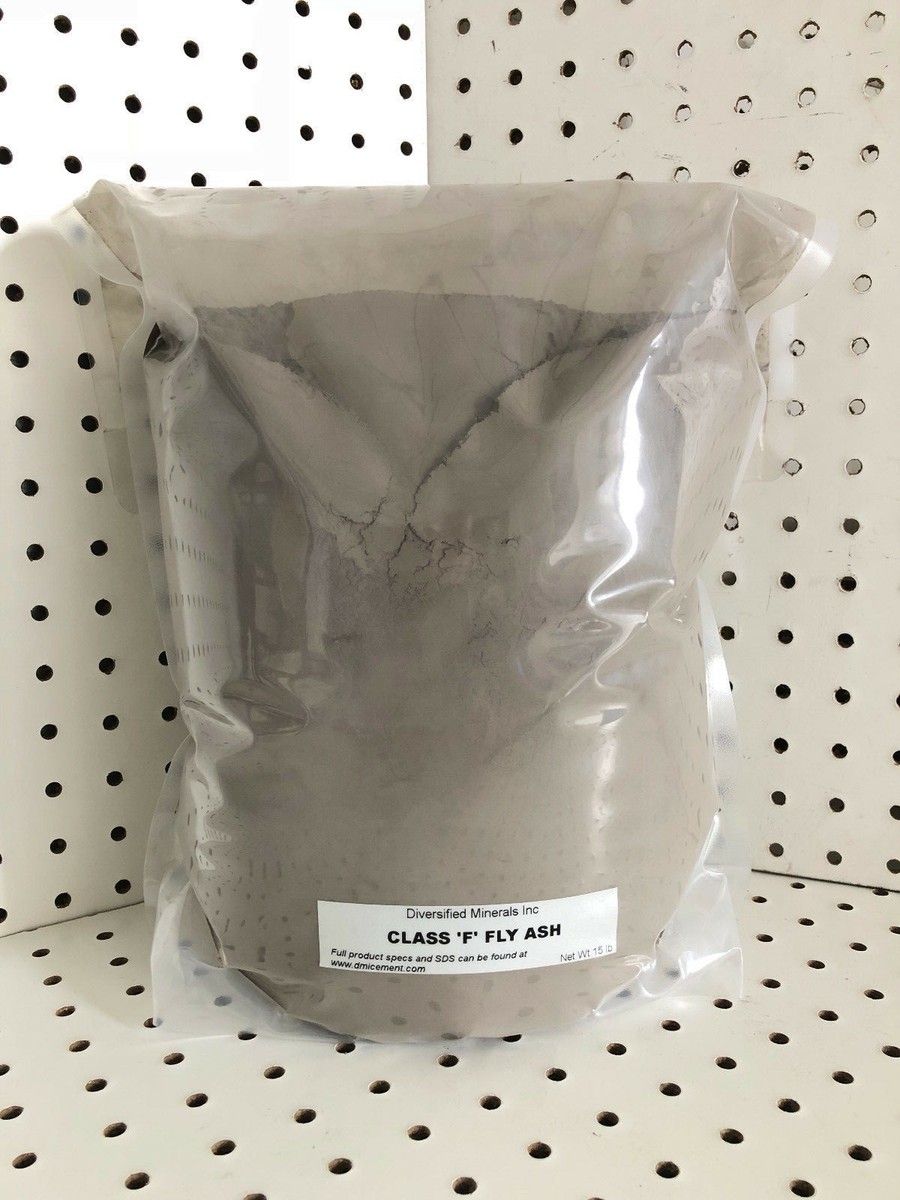
- 1 MT jumbo bags
- 25–50 kg bags (on request)
- Shelf Life: Indefinite when stored in dry, sealed conditions
3. Core Industrial Applications
Primary Industries
- Ready-mix concrete production
- Cement manufacturing
- Infrastructure and road construction
- Precast concrete manufacturing
Operational Use Cases
- Partial replacement of Portland cement in concrete mixes
- Production of blended cement
- Soil stabilization and base material treatment
- Roller-compacted concrete (RCC) for dams and pavements
Performance & Cost Advantages
Class C Fly Ash enhances early-age strength development due to its higher calcium content, making it suitable for fast-track construction projects. It improves workability, reduces heat of hydration, and enhances sulfate resistance in concrete systems.
Compared to 100% Portland cement mixes, incorporating Class C Fly Ash reduces clinker usage, lowers material costs, and decreases CO₂ emissions. Its self-cementing properties provide added structural performance in soil stabilization and mass concrete applications, delivering both economic and technical advantages.
4. Competitive Advantages
- Quality Consistency: Controlled sourcing from established power generation facilities with batch testing and certification.
- Supply Reliability: Stable, high-volume availability suitable for long-term infrastructure projects.
- Logistics Capability: Bulk tanker transport and containerized export solutions for domestic and international markets.
- Price Competitiveness: Cost-effective alternative to clinker and Portland cement components.
- Sustainability Benefits: Reduces carbon footprint in concrete production and supports circular utilization of industrial by-products.
- Technical Documentation: Full chemical analysis, test reports, and compliance certificates available upon request.
Fly Ash – Class C is positioned as a strategic procurement solution for construction and cement producers seeking cost optimization, enhanced material performance, and sustainable infrastructure development.
5. Commercial & Supply Information
- Minimum Order Quantity (MOQ): Bulk 20 MT
- Loading Capacity:
- 20ft Container: Approx. 20–25 MT
- 40ft Container: Approx. 25–28 MT (subject to transport regulations)
Long-term supply contracts and volume-based pricing agreements are available for industrial buyers.
Reviews
There are no reviews yet.