
Description
1. Product Overview
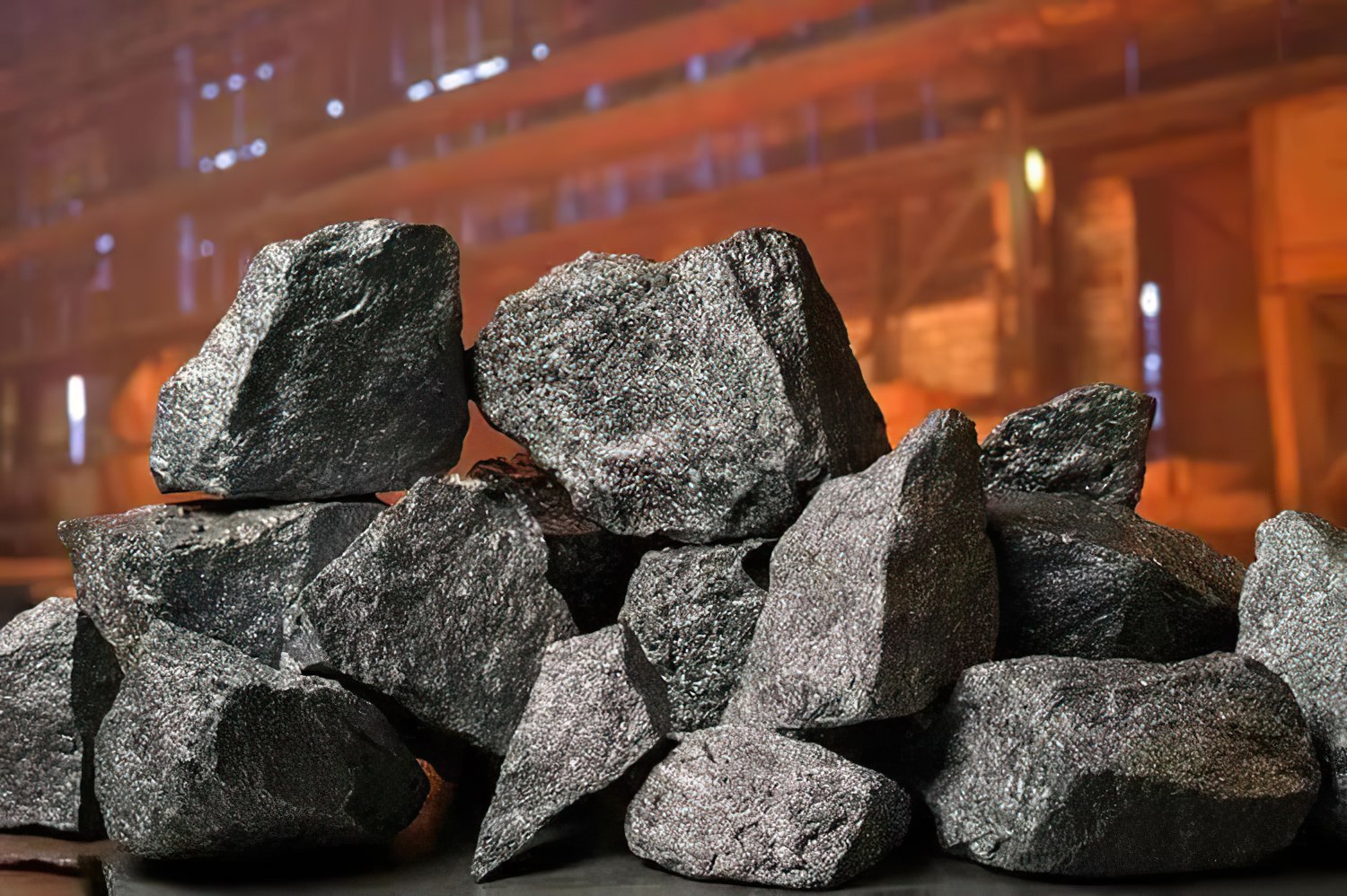
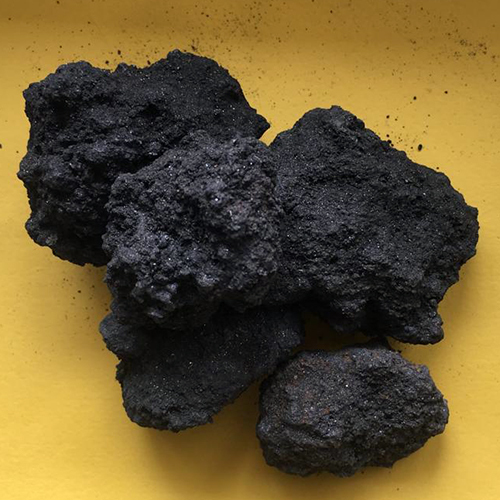
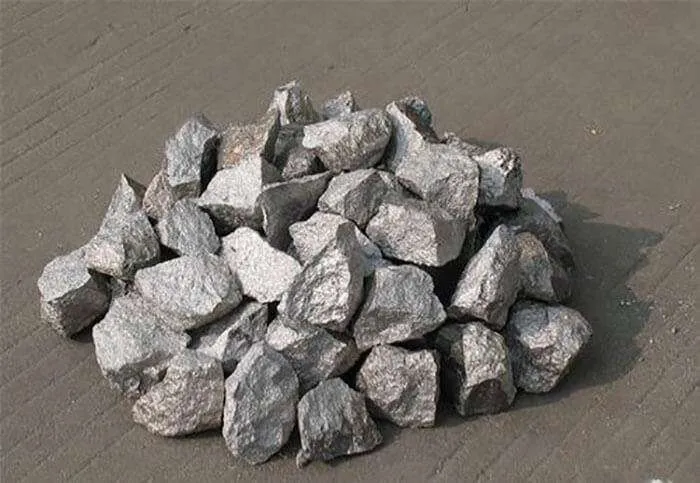
Ferroalloy Slag is a high-density metallurgical by-product generated during the production of ferroalloys such as ferrochrome, ferromanganese, ferrosilicon, and ferronickel. Composed primarily of metal oxides and silicates with residual alloying elements, it serves as a secondary resource for metal recovery and as a durable material for industrial construction applications. Ferroalloy Slag offers industrial buyers a cost-effective alternative to natural aggregates and select primary raw materials, while maintaining structural strength and process compatibility. In a market increasingly focused on cost control, supply diversification, and sustainability, Ferroalloy Slag represents a strategically important solution for resource optimization and circular material utilization.
2. Key Specifications & Technical Characteristics
- Chemical Composition:
- Iron Oxide (Fe₂O₃): Typically 20%–50% (grade dependent)
- Silicon Dioxide (SiO₂): Typically 20%–45%
- Calcium Oxide (CaO), Magnesium Oxide (MgO), Aluminum Oxide (Al₂O₃)
- Residual alloying elements: Chromium (Cr), Manganese (Mn), Silicon (Si), Nickel (Ni) (depending on source alloy)
- Trace elements: As per detailed assay report
- Purity / Grade:
- Industrial-grade ferroalloy production slag
- Classified based on source alloy type and residual metal content
- Physical Characteristics:
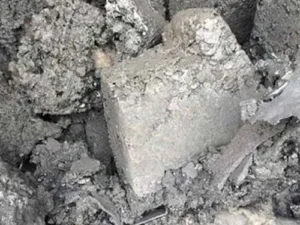
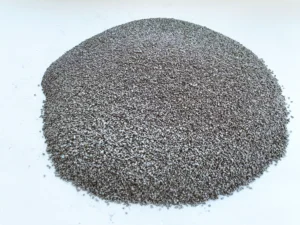
- Form: Granulated, crushed, or lumpy material
- Color: Dark grey to black
- Particle size: Customizable (fine to coarse grades available)
- Specific gravity: Typically 2.8–3.6 g/cm³
- Hardness: High abrasion resistance
- Moisture content: Controlled and minimal
- Packaging Options:
- 1 MT jumbo bags (FIBC)
- Bulk loose loading
- Customized packaging upon request
- Shelf Life:
- Chemically stable under normal storage conditions
- Recommended storage: Dry and covered environment
3. Core Industrial Applications
Primary Industries:
- Ferroalloy and steel manufacturing
- Construction and civil engineering
- Infrastructure and heavy industry projects
- Cement and aggregate production
- Secondary metal recovery operations
Operational Use Cases:
- Recovery of residual alloying elements through re-smelting
- Road base, ballast, and heavy-duty construction fill
- Aggregate substitute in concrete and asphalt production
- Abrasive and anti-skid surface applications
Performance & Commercial Advantages:
- High density and mechanical strength ensure durability in structural applications
- Lower cost alternative to natural aggregates and selected primary materials
- Provides potential recoverable metal value depending on grade
- Consistent particle grading enhances blending and processing efficiency
- Supports circular economy initiatives by reusing metallurgical by-products
4. Competitive Advantages
- Quality Consistency: Controlled sourcing and standardized screening processes ensure uniform composition and particle distribution.
- Supply Reliability: Continuous bulk production availability capable of supporting long-term industrial and infrastructure contracts.
- Logistics Capability: Containerized and bulk shipment options with full export documentation and international freight coordination.
- Price Competitiveness: Cost-efficient alternative to conventional aggregates and selected metallurgical inputs, optimizing total procurement spend.
- Sustainability: Promotes industrial waste reutilization and reduces dependence on natural resource extraction, supporting ESG objectives.
- Technical Support: Comprehensive chemical analysis, grading reports, and MSDS documentation available upon request.
Ferroalloy Slag is positioned as a strategic sourcing decision for industrial buyers focused on cost optimization, operational durability, and sustainable material management.
5. Commercial & Supply Information
- Minimum Order Quantity (MOQ): BULK 20 MT
- Loading Capacity:
- 20’ Container: Approx. 20–22 MT
- 40’ Container: Approx. 26–28 MT (subject to packaging configuration)

Reviews
There are no reviews yet.