





Description
Ferric Chloride: A Versatile Chemical with a Wide Range of Applications
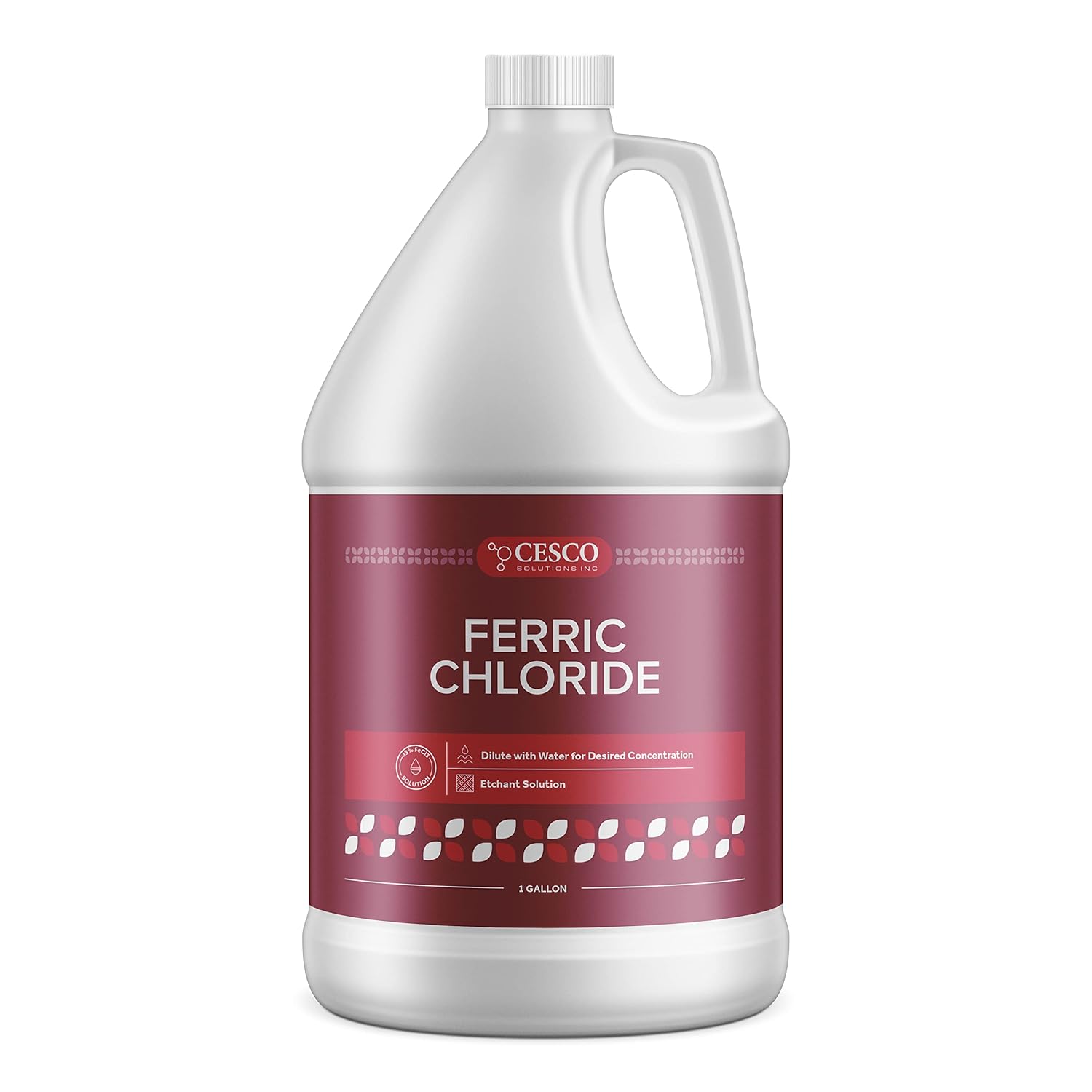
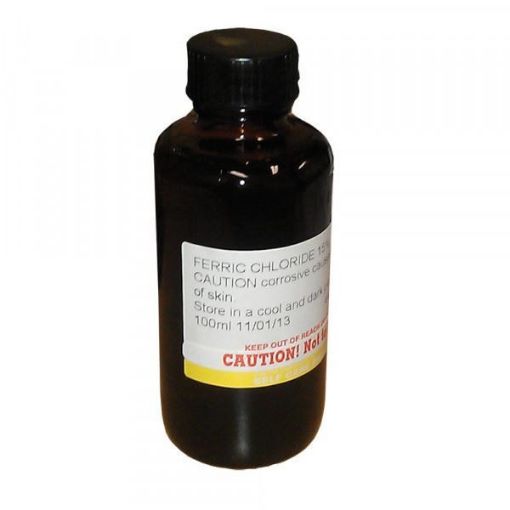
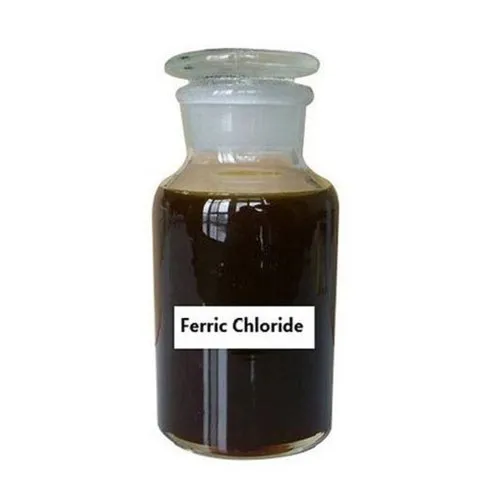
Ferric chloride, also known as iron(III) chloride, is a chemical compound with the formula FeCl₃. It’s a versatile material with a wide range of applications, ranging from water treatment to etching printed circuit boards. This article delves into its properties, uses, and safety considerations.
Properties of Ferric Chloride:
- Appearance: Ferric chloride is a yellowish-brown solid in its anhydrous form. It is highly hygroscopic, meaning it readily absorbs moisture from the air, and when exposed to humidity, it can form a solution. The hydrated form, FeCl₃·6H₂O, is a more common form and appears as yellow-orange crystalline solid.
- Solubility: It is highly soluble in water, forming acidic solutions. It is also soluble in many organic solvents like ethanol and ether.
- Chemical Properties: Ferric chloride is a Lewis acid, meaning it can accept an electron pair. This property is key to many of its applications. It is also a strong oxidizing agent, which contributes to its use in etching and oxidation reactions.
Applications of Ferric Chloride:
Ferric chloride finds applications in diverse fields, including:
- Water and Wastewater Treatment: Ferric chloride is widely used as a coagulant in water and wastewater treatment plants. It helps remove suspended solids and impurities by causing them to clump together, forming larger particles that can be easily filtered out. This process, called flocculation, is essential for producing clean and safe drinking water.
- Etching: Ferric chloride solutions are commonly used for etching metals, particularly copper. This makes it an essential chemical in the production of printed circuit boards (PCBs). The ferric chloride solution selectively removes the copper from the unwanted areas, leaving the desired circuit pattern behind. This is a key step in manufacturing electronic devices.
- Pigment Production: Ferric chloride is used as a precursor in the production of various pigments and dyes.
- Photography: It has applications in photographic processes, particularly in toning and developing solutions.
- Veterinary Medicine: In veterinary medicine, ferric chloride is sometimes used to stop bleeding from wounds, particularly after dehorning animals.
- Catalysis: Due to its Lewis acidic properties, it can act as a catalyst in various organic reactions, such as Friedel-Crafts reactions and chlorination reactions.
- Other Applications: It is also used in textile dyeing, as a mordant, and in various industrial processes.
Safety Considerations:
Ferric chloride is a corrosive substance and should be handled with care.
- Skin and Eye Contact: Direct contact can cause irritation, burns, and staining. Appropriate protective gear, such as gloves and eye protection, should always be worn.
- Inhalation: Inhaling ferric chloride dust or mist can irritate the respiratory tract. Work should be conducted in well-ventilated areas, and respiratory protection may be necessary.
- Ingestion: Ingestion can cause severe irritation and burns to the digestive system.
- Storage: Ferric chloride should be stored in a cool, dry, and well-ventilated area, away from incompatible materials such as strong bases and metals. It should be stored in a tightly sealed container to prevent moisture absorption.
- Environmental Considerations: Ferric chloride solutions can be harmful to aquatic life. Proper disposal methods should be employed to prevent environmental contamination. Neutralization before disposal is often required.
Conclusion:
Ferric chloride is a valuable chemical compound with a wide range of applications. Its properties, such as its ability to coagulate, etch, and act as a Lewis acid, make it useful in water treatment, electronics manufacturing, and various other industries. However, it is important to handle ferric chloride with caution and follow all safety guidelines to prevent accidents and protect human health and the environment. Understanding its properties and hazards allows for its safe and effective use in various processes, ensuring its continued importance in various sectors.



Reviews
There are no reviews yet.