
Description
1. Product Overview
Ethylene Dichloride Residue is a chlorinated hydrocarbon byproduct generated during ethylene dichloride (EDC) production and downstream vinyl chloride monomer (VCM) manufacturing processes. This industrial-grade stream contains recoverable chlorinated compounds suitable for controlled reuse in chemical processing, solvent recovery, and energy valorization applications.
Positioned as a secondary feedstock, it offers cost-effective sourcing for operations capable of refining or utilizing chlorinated hydrocarbon blends. Strategically, Ethylene Dichloride Residue supports circular chemical management, reduces hazardous waste disposal volumes, and enhances raw material efficiency within chlor-alkali and PVC value chains.
2. Key Specifications & Technical Characteristics
- Chemical Composition:
- Ethylene dichloride (1,2-dichloroethane) – primary component
- Heavier chlorinated hydrocarbons
- Trace organic byproducts from chlorination processes
- Minor water content (process-dependent)
- Purity Level / Grade:
- Industrial Residue Grade
- EDC concentration variable (typically 40–85%, stream-dependent)
- Suitable for recovery, reprocessing, or controlled industrial use
- Physical Characteristics:
- Form: Liquid
- Appearance: Clear to light amber
- Odor: Characteristic chlorinated solvent odor
- Density: Approx. 1.20–1.26 g/cm³ (composition-dependent)
- Insoluble in water; miscible with many organic solvents
- Packaging Options:
- Bulk tanker trucks (hazard-rated)
- ISO tank containers (UN-certified)
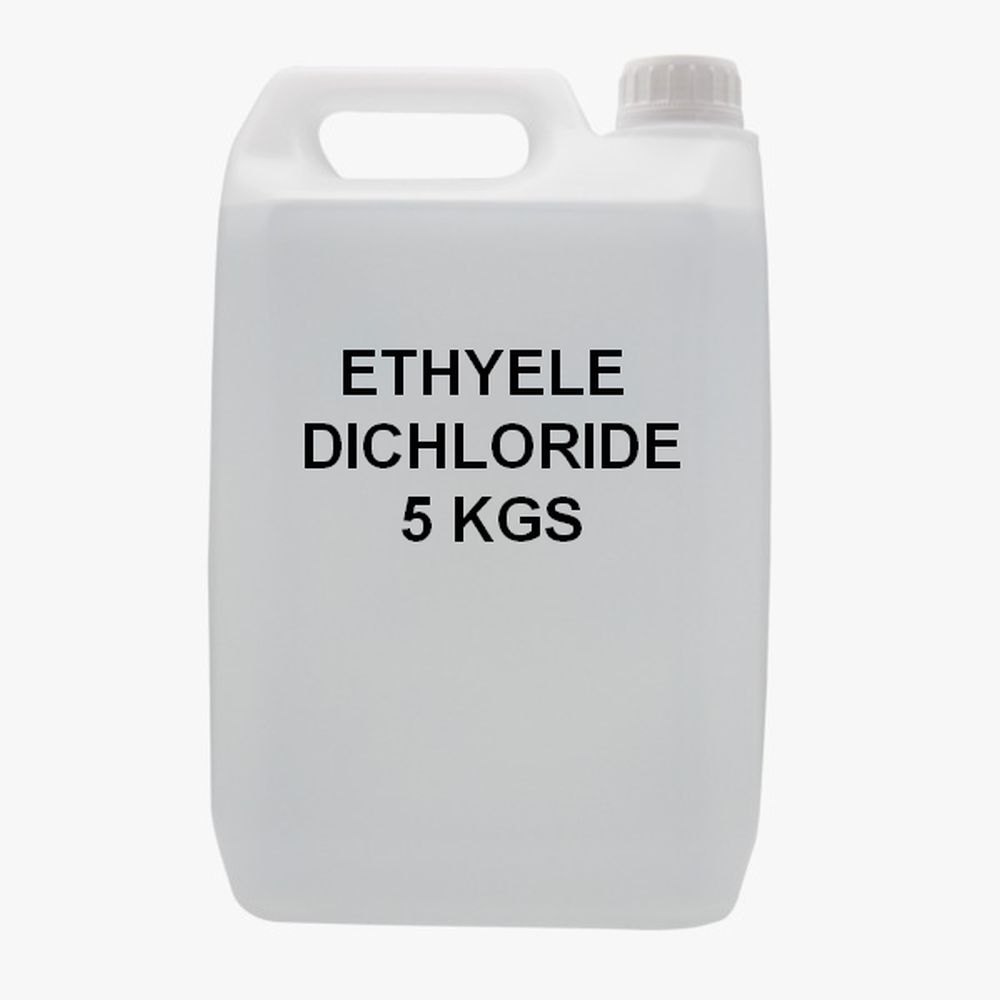
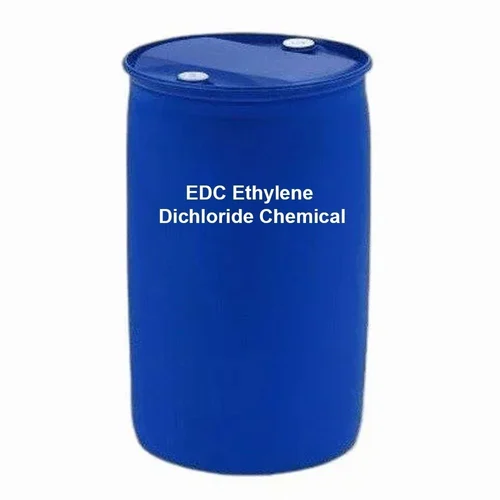
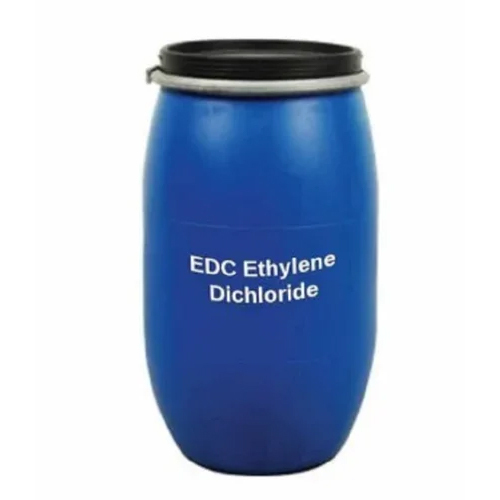
- Drums (subject to regulatory compliance)
- BULK 20MT shipments
- Shelf Life:
- Stable under sealed, temperature-controlled storage
- Store in compatible, corrosion-resistant containers
3. Core Industrial Applications
Primary Industries
- Chlor-alkali and vinyl production
- Chemical recovery and solvent reclamation
- Industrial fuel blending (regulated environments)
- Specialized chemical manufacturing
Operational Use Cases
- Feedstock for chlorinated solvent recovery systems
- Distillation and separation to reclaim usable EDC
- Controlled thermal recovery for energy generation
- Intermediate input for select chlorinated compound synthesis
Performance & Cost Advantages
Ethylene Dichloride Residue offers significant economic advantage for facilities equipped with distillation or solvent recovery infrastructure. Recoverable EDC content provides measurable value compared to sourcing virgin chlorinated solvents.
By leveraging existing refining capabilities, buyers reduce raw material expenditure, minimize waste treatment costs, and improve plant-level efficiency. Its integration into circular processing systems strengthens both operational economics and environmental compliance strategies.
4. Competitive Advantages
- Quality Consistency: Batch-characterized composition with documented analytical data.
- Supply Reliability: Continuous availability from established chlorinated chemical production streams.
- Logistics Capability: Hazard-compliant bulk transport via certified tankers and ISO containers.
- Price Competitiveness: Discounted alternative to virgin EDC for recovery applications.
- Sustainability Benefits: Supports waste minimization and resource recovery initiatives.
- Technical Documentation: COA, SDS, and transport classification provided.
- Technical Support: Guidance on compatibility, handling, and recovery integration.
Ethylene Dichloride Residue represents a strategic sourcing opportunity for industrial operators seeking cost optimization, feedstock diversification, and enhanced circular processing performance.
5. Commercial & Supply Information
- Minimum Order Quantity (MOQ): BULK 20MT
- Loading Capacity:
- 20ft ISO Tank Container: Approx. 20–25 MT depending on density and regulatory constraints
Reviews
There are no reviews yet.