
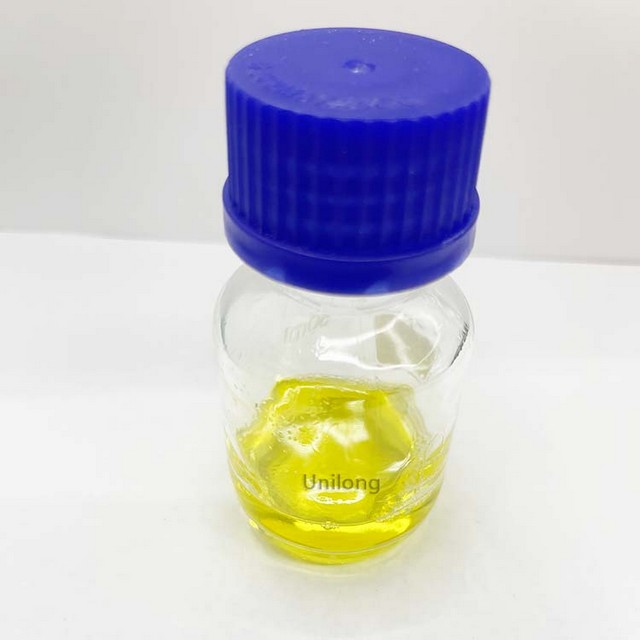
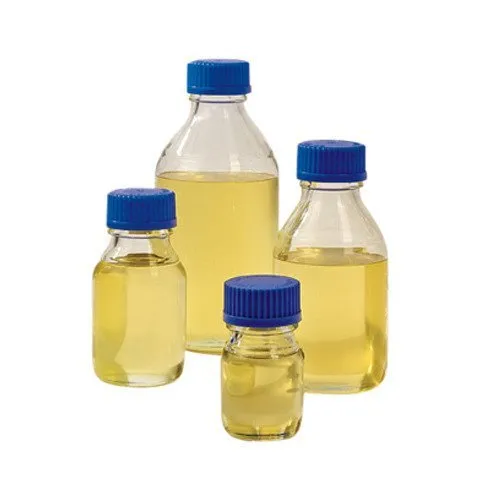
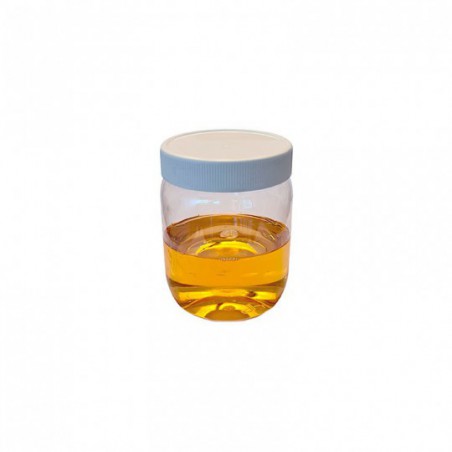
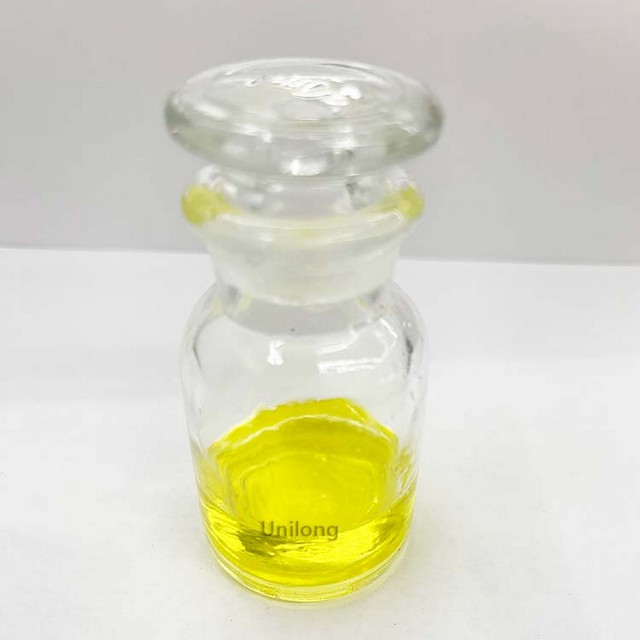
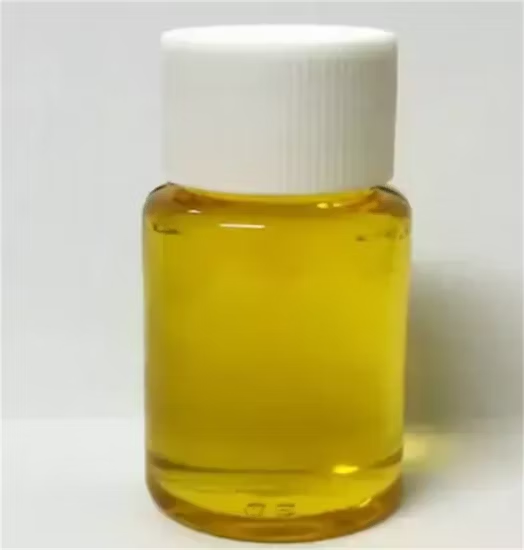
Description
Ethoxylated Castor Oil: The Versatile Ally for Blending Water and Oil
In the vast and intricate world of chemistry, some ingredients act as unsung heroes, silently enabling a multitude of products we use daily. Ethoxylated Castor Oil is undoubtedly one of them. Derived from a natural source but transformed through a clever chemical process, this compound plays a pivotal role in bridging the gap between oil and water, making it indispensable across diverse industries.
What is Ethoxylated Castor Oil?
To understand Ethoxylated Castor Oil, we first need to break down its name:
- Castor Oil: This is a vegetable oil obtained by pressing the seeds of the castor plant (Ricinus communis). It’s unique amongst vegetable oils for its high concentration of ricinoleic acid, a monounsaturated fatty acid with a hydroxyl group. This inherent polarity gives castor oil some natural emulsifying properties, but it’s still largely immiscible with water.
- Ethoxylated: This refers to a chemical process called ethoxylation. During this process, ethylene oxide molecules are reacted with the hydroxyl groups present in the castor oil molecule. This adds hydrophilic (water-loving) polyoxyethylene chains to the castor oil backbone. The number of ethylene oxide units added can vary, leading to different grades of ethoxylated castor oil, often designated as PEG-n Castor Oil (e.g., PEG-40 Castor Oil), where ‘n’ indicates the average number of ethylene oxide units.
The result is a non-ionic surfactant that is significantly more hydrophilic (water-soluble) than natural castor oil, while retaining its lipophilic (oil-loving) character. This dual nature makes it an excellent emulsifier, solubilizer, and dispersant.
The Transformation Process: From Oil to Emulsifier
The production of ethoxylated castor oil involves reacting castor oil with ethylene oxide under controlled conditions, typically at elevated temperatures and pressures, in the presence of a catalyst. The degree of ethoxylation (i.e., how many ethylene oxide units are added) is carefully controlled, as it directly influences the final product’s properties, particularly its Hydrophilic-Lipophilic Balance (HLB) value. A higher degree of ethoxylation results in a more water-soluble product.
Key Properties and Benefits
Ethoxylated Castor Oil exhibits a range of valuable properties that drive its widespread application:
- Excellent Emulsifying Agent: It stabilizes emulsions, preventing the separation of oil and water phases in formulations, whether they are oil-in-water or water-in-oil systems.
- Effective Solubilizer: This is one of its most celebrated properties. It can “dissolve” or incorporate water-insoluble substances (like fragrances, essential oils, vitamins, or active pharmaceutical ingredients) into water-based solutions, creating clear, stable formulations.
- Non-Ionic Nature: Being non-ionic, it is generally compatible with a wide range of other ingredients, including anionic, cationic, and amphoteric substances. It is also stable over a broad pH range and tolerates electrolytes.
- Dispersing Agent: It helps to keep solid particles uniformly dispersed in a liquid medium, preventing settling or aggregation.
- Wetting Agent: It reduces the surface tension of water, allowing liquids to spread more easily over surfaces.
- Derived from Natural Origin: While chemically modified, its origin from a renewable plant source makes it attractive for formulations seeking a natural or bio-based profile.
- Versatile Viscosity: Depending on the degree of ethoxylation, it can range from a liquid to a paste, offering flexibility in formulation.
Diverse Applications
The unique properties of Ethoxylated Castor Oil make it a staple in numerous industries:
- Cosmetics and Personal Care: This is perhaps its most prominent application.
- Fragrance Solubilizer: It’s widely used to incorporate essential oils and fragrance compounds into water-based products like toners, micellar waters, body mists, and shampoos, creating stable, transparent solutions.
- Emulsifier: In creams, lotions, serums, and hair conditioners, it helps to create stable oil-in-water emulsions.
- Surfactant: Found in bath oils, body washes, and cleansing products for its gentle cleansing and foaming properties.
- Pharmaceuticals:
- Drug Solubilizer: Crucial for improving the bioavailability of poorly water-soluble drugs, enabling their formulation into injectable, oral, or topical medications. Brands like Cremophor EL (a specific type of ethoxylated castor oil) are well-known excipients in this field.
- Emulsifier: In topical creams, ointments, and transdermal patches.
- Industrial and Technical Applications:
- Paints, Coatings, and Inks: Used as a dispersant for pigments and as an emulsifier in water-based formulations.
- Textiles: Functions as a leveling agent in dyeing, a detergent, and a softener.
- Agrochemicals: Acts as an emulsifier and dispersant in pesticide and herbicide formulations, ensuring active ingredients are evenly distributed when diluted with water.
- Lubricants and Metalworking Fluids: Aids in the stability of oil-in-water emulsions in these applications.
- Cleaning Products: Used in detergents and household cleaners as a wetting agent and emulsifier.
Safety and Regulatory Aspects
Ethoxylated Castor Oil, particularly the higher ethoxylated grades, is generally considered safe for its approved uses in cosmetic, pharmaceutical, and other applications. Regulatory bodies worldwide, such as the FDA (Food and Drug Administration) and EMA (European Medicines Agency), have reviewed and approved its use as an excipient and ingredient within specified limits.
Concerns sometimes arise regarding “PEGs” (polyethylene glycols) due to potential trace impurities like 1,4-dioxane. However, reputable manufacturers of ethoxylated castor oil adhere to strict purification processes to minimize or eliminate such impurities, ensuring the safety of the final product.
Conclusion
Ethoxylated Castor Oil stands as a testament to how intelligent chemical modification can unlock the full potential of a natural resource. From solubilizing delicate fragrances in a cosmetic serum to improving drug delivery in pharmaceuticals and stabilizing critical agrochemical formulations, its ability to harmoniously blend oil and water makes it an indispensable component in countless products that shape our daily lives. As industries continue to seek versatile, high-performing, and sustainably sourced ingredients, Ethoxylated Castor Oil is poised to remain a vital workhorse in the toolkit of modern chemistry.

Reviews
There are no reviews yet.