

Description
1. Product Overview
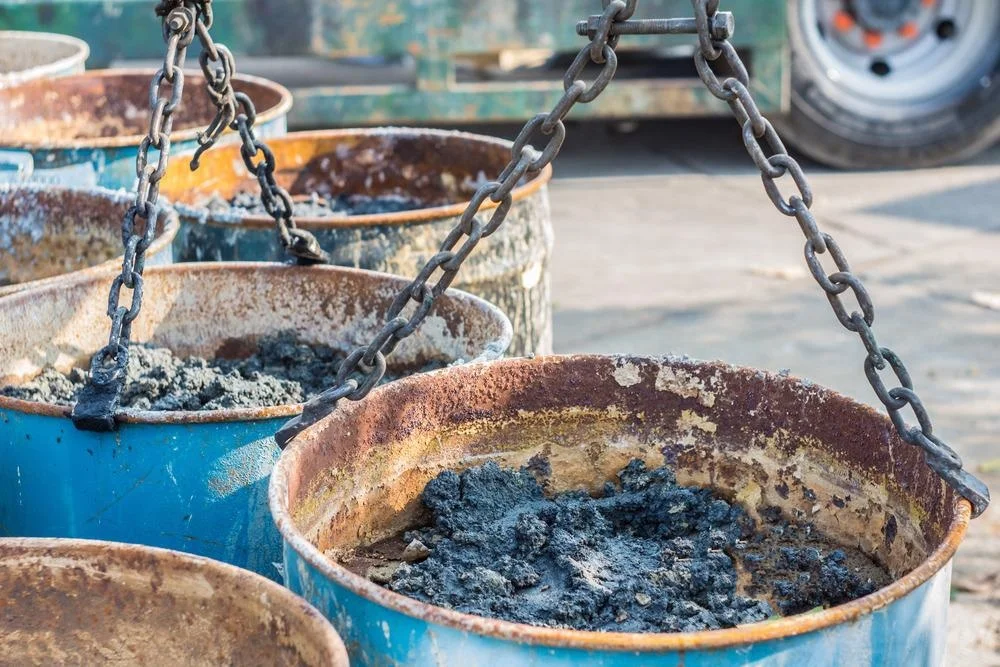
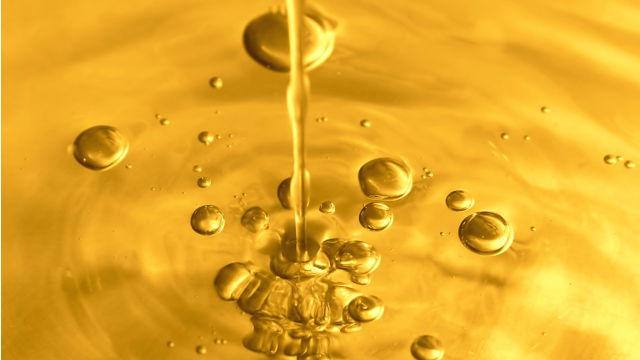
Edible Oil Refinery Sludge is a by-product generated during the refining and purification of vegetable oils such as palm, soybean, sunflower, and canola oil. This material contains residual oils, fatty acids, phospholipids, and organic matter that can be effectively recovered and utilized in various industrial processes. It is widely used in biodiesel production, industrial fuel applications, and oleochemical processing due to its high residual oil content. As industries increasingly seek cost-efficient feedstocks and sustainable waste-to-value solutions, edible oil refinery sludge has emerged as a strategically important secondary raw material within the circular bioeconomy.
2. Key Specifications & Technical Characteristics
- Material Composition: Residual vegetable oils, free fatty acids (FFA), phospholipids, gums, waxes, and trace organic solids
- Purity Level / Grade: Industrial-grade by-product with variable oil content depending on refinery process
- Residual Oil Content: Typically 15–40% recoverable oil content (varies by source)
- Physical Form: Semi-solid paste or viscous sludge
- Color: Dark brown to black
- Odor: Characteristic fatty/oily odor
- Moisture Content: Typically 10–30% depending on processing conditions
- Density: Approximately 0.9–1.1 g/cm³
- Packaging Options: Bulk tankers, steel drums, IBC containers, or bulk container loading
- Shelf Life: 6–12 months when stored in sealed containers under dry and moderate temperature conditions
3. Core Industrial Applications
Edible Oil Refinery Sludge is utilized across multiple industrial sectors as a cost-effective feedstock and energy resource.
- Biodiesel Production: Used as a low-cost feedstock for biodiesel manufacturing due to its significant free fatty acid and residual oil content.
- Industrial Boiler Fuel: Applied as a supplementary fuel in industrial boilers and furnaces after appropriate processing and blending.
- Oleochemical Processing: Serves as a raw material for producing fatty acids, soap stock derivatives, and other chemical intermediates.
- Animal Feed Processing (after treatment): Certain fractions can be processed and refined for inclusion in animal nutrition formulations.
Compared with higher-grade vegetable oils, refinery sludge offers significant cost savings for industrial processors while enabling recovery of valuable lipids that would otherwise be lost in waste streams.
4. Competitive Advantages
- Consistent Industrial Feedstock: Derived from established edible oil refining operations ensuring regular supply
- Reliable Bulk Availability: Suitable for large-scale industrial consumption and continuous processing facilities
- Flexible Logistics: Multiple packaging and bulk shipping options for international export
- Cost-Effective Alternative: Significantly lower cost feedstock compared to refined or crude vegetable oils
- Sustainability Benefits: Supports circular resource recovery and reduces waste disposal from edible oil refineries
- Technical Transparency: Basic composition data and sourcing documentation available for industrial buyers
5. Commercial & Supply Information
- Minimum Order Quantity (MOQ): BULK 20 MT
- Loading Capacity: 20–24 MT per 20-ft container depending on packaging and moisture content

Reviews
There are no reviews yet.