
Description
Dodecyl Alcohol: Properties, Uses, and Considerations
Dodecyl alcohol, also known as lauryl alcohol or 1-dodecanol, is a straight-chain fatty alcohol with 12 carbon atoms. This colorless solid, with a characteristic floral odor when melted, plays a significant role in various industries due to its unique properties and versatility. This article explores the properties, uses, and considerations surrounding dodecyl alcohol.
Properties of Dodecyl Alcohol:
- Chemical Formula: CH3(CH2)11OH
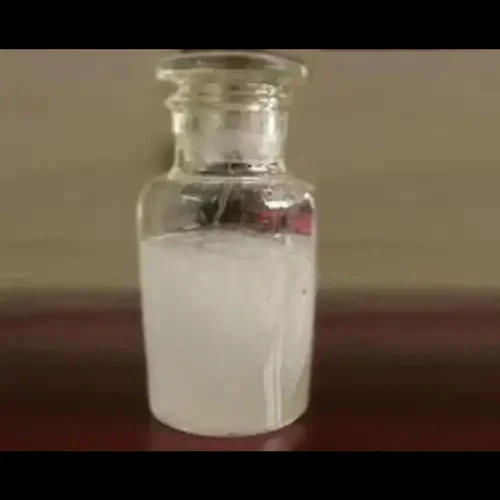
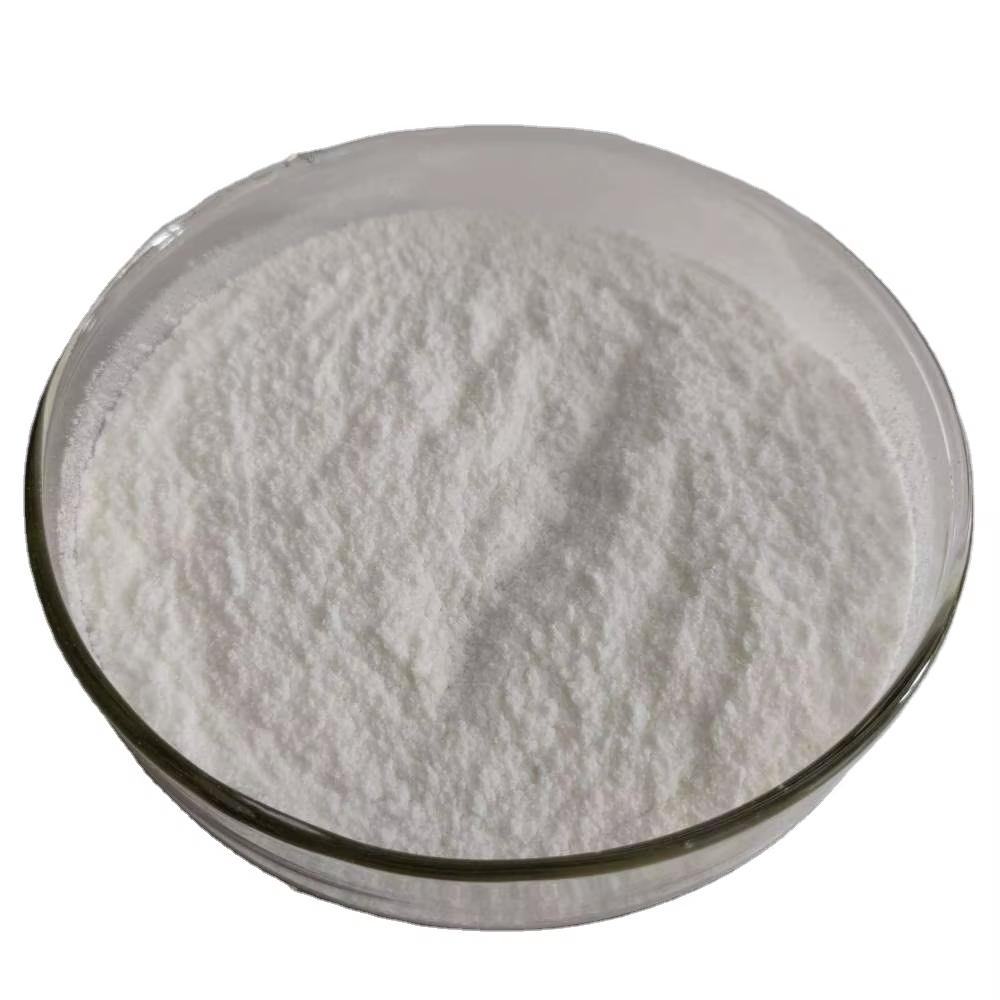
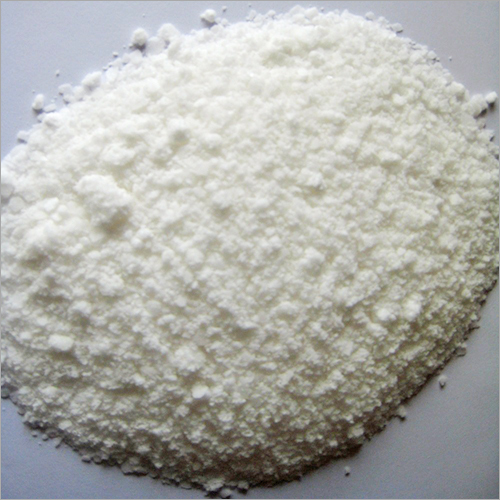
- Appearance: White or colorless solid (at room temperature) and colorless liquid when melted.
- Odor: Characteristic floral odor
- Melting Point: Approximately 24-26°C (75-79°F)
- Boiling Point: Approximately 259°C (498°F)
- Solubility: Insoluble in water, but soluble in organic solvents like ethanol, ether, and acetone.
- Density: Approximately 0.83 g/cm³
Common Uses and Applications:
Dodecyl alcohol’s amphiphilic nature (having both hydrophilic and hydrophobic properties) makes it a valuable ingredient in a wide range of applications:
- Surfactants and Detergents: The most significant use of dodecyl alcohol is as a precursor to surfactants, especially sodium lauryl sulfate (SLS) and sodium laureth sulfate (SLES). These surfactants are widely used in detergents, shampoos, soaps, and other cleaning products due to their excellent foaming and emulsifying properties.
- Cosmetics and Personal Care Products: Dodecyl alcohol itself can be found in cosmetics and personal care products as an emollient, helping to soften and soothe the skin. It also functions as a fragrance ingredient, solvent, and viscosity control agent. Examples include lotions, creams, moisturizers, and hair conditioners.
- Plasticizers: Dodecyl alcohol esters can function as plasticizers in the production of plastics. Plasticizers help to make plastics more flexible and durable.
- Lubricants: Due to its lubricating properties, dodecyl alcohol is used in certain lubricating formulations, particularly in industrial applications.
- Flavor and Fragrance Industry: The characteristic floral odor of dodecyl alcohol makes it a valuable ingredient in the creation of fragrances and flavorings. It can be used directly or as a precursor to other aroma compounds.
- Chemical Intermediates: Dodecyl alcohol serves as an intermediate in the synthesis of other chemical compounds, including dodecyl halides and dodecylamines.
Production of Dodecyl Alcohol:
Dodecyl alcohol is primarily produced through one of two main methods:
- Hydrogenation of Fatty Acids: This is a common industrial method where coconut oil or palm kernel oil, rich in lauric acid (dodecanoic acid), is subjected to hydrolysis to produce fatty acids. These fatty acids are then hydrogenated to produce a mixture of fatty alcohols, including dodecyl alcohol.
- Ziegler Process: This process involves the oligomerization (polymerization of a few monomers) of ethylene to produce a mixture of linear alpha-olefins, followed by hydroformylation and hydrogenation to produce a mixture of alcohols, including dodecyl alcohol.
Safety and Environmental Considerations:
- Skin and Eye Irritation: Dodecyl alcohol can cause skin and eye irritation upon direct contact. Proper personal protective equipment (PPE), such as gloves and eye protection, should be used when handling the substance.
- Environmental Impact: While dodecyl alcohol is biodegradable, its surfactants (like SLS and SLES) have raised environmental concerns. Their widespread use in detergents and subsequent release into wastewater can contribute to water pollution and potential harm to aquatic life. Research is ongoing to develop more environmentally friendly alternatives.
- Consumer Sensitivities: Some individuals may experience skin irritation or allergic reactions to products containing dodecyl alcohol or its derivatives, particularly SLS and SLES. Sulfate-free alternatives are becoming increasingly popular to cater to consumer sensitivities.
Conclusion:
Dodecyl alcohol is a versatile compound with a wide range of applications, particularly in the production of surfactants and in the cosmetics and personal care industries. Its unique properties and availability make it a valuable ingredient in various formulations. However, it’s important to consider the potential environmental impact and consumer sensitivities associated with its use and to promote the development and adoption of more sustainable alternatives where possible. Further research and innovation are crucial to minimizing the negative impacts and maximizing the benefits of this important chemical compound.



Reviews
There are no reviews yet.