

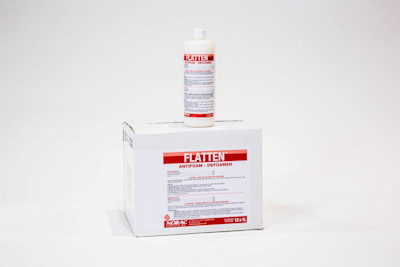
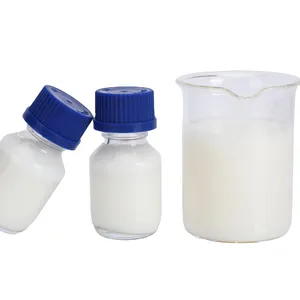
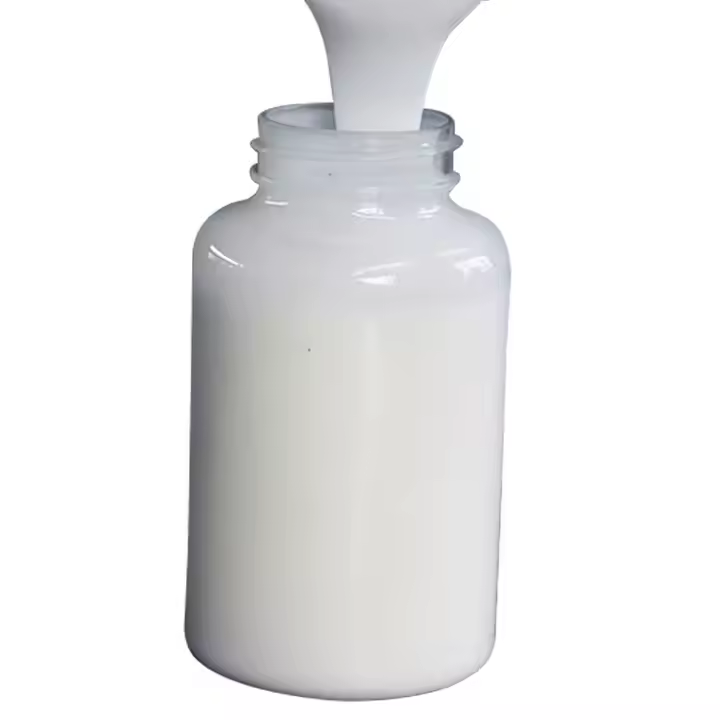
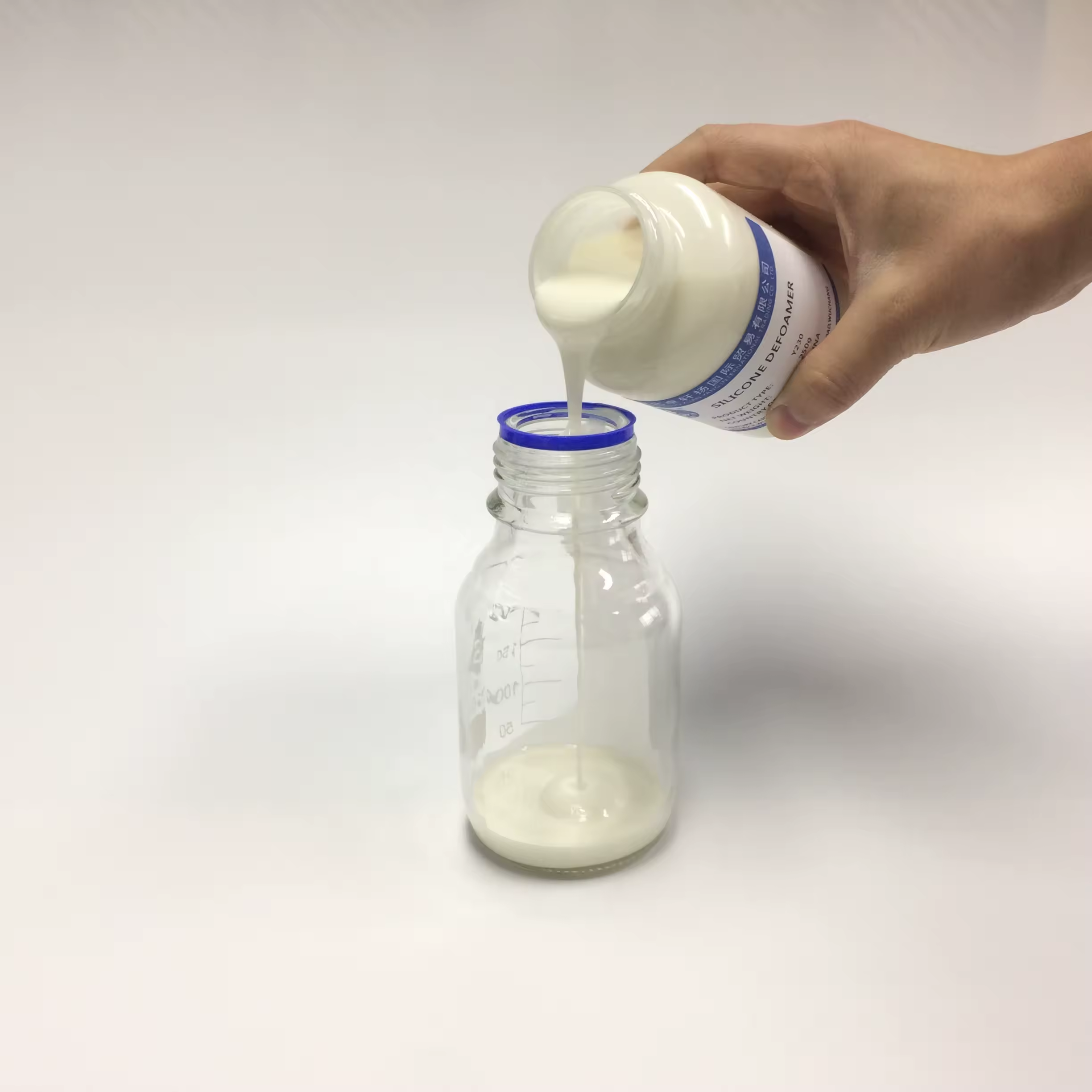
Description
Dimethylpolysiloxane: The Unsung Hero of Foam Control
We live in a foamy world. From the bubbles in your beer to the suds in your washing machine, foam is a ubiquitous phenomenon. While sometimes desirable, uncontrolled foam can cause a whole host of problems, hindering efficiency, damaging equipment, and creating safety hazards. Enter dimethylpolysiloxane, a powerful and versatile anti-foaming agent quietly working behind the scenes to keep the bubble trouble at bay.
What is Dimethylpolysiloxane?
Dimethylpolysiloxane, often shortened to dimethicone, is a silicone-based polymer derived from silica (sand). It’s characterized by its oily, colorless, and odorless nature, as well as its impressive chemical inertness and thermal stability. But its key property, and the reason for its wide application, is its ability to effectively reduce and prevent the formation of foam.
How Does it Work? A Matter of Surface Tension
Foam is essentially a collection of gas bubbles trapped within a liquid. What holds these bubbles together is surface tension – the force that causes liquid surfaces to contract and minimize their area. Dimethylpolysiloxane works by reducing this surface tension, destabilizing the foam films and causing them to collapse.
Think of it like this: Imagine a tightly stretched balloon surface. Dimethylpolysiloxane essentially pokes tiny, invisible holes in that surface, weakening it and causing the balloon to pop. By weakening the bubble walls, it prevents the formation of stable foam and encourages existing foam to break down.
A Versatile Solution: Applications Across Industries
The effectiveness and versatility of dimethylpolysiloxane have made it a staple in diverse industries, including:
- Food and Beverage: Used in the production of beer, sugar, juices, and other processed foods to prevent excessive foaming during manufacturing. It’s also found in cooking oils to prevent splattering.
- Pharmaceuticals: Employed in various drug formulations to prevent foaming during the manufacturing process and ensure accurate dosing.
- Cosmetics and Personal Care: Added to lotions, creams, shampoos, and conditioners to provide a smooth texture, improve spreadability, and reduce foaming.
- Industrial Processes: Essential in textile manufacturing, paper production, and wastewater treatment to control foam in various stages of the process. It’s also used in paints and coatings to prevent air entrapment during application.
- Oil and Gas: Used to control foaming in drilling fluids and oil processing, improving efficiency and preventing equipment damage.
Safety and Regulations:
Dimethylpolysiloxane is generally considered safe for use in various applications. It is extensively studied and approved by regulatory bodies like the FDA and EFSA for use in food and cosmetic products. However, it’s crucial to adhere to recommended usage levels and specific regulatory guidelines for each application.
Beyond Anti-Foaming: Other Benefits
While primarily known for its anti-foaming properties, dimethylpolysiloxane also offers other benefits:
- Lubricity: Reduces friction and provides a smooth, silky feel.
- Water Repellency: Creates a barrier against water penetration.
- Chemical Inertness: Resistant to degradation in various chemical environments.
- Thermal Stability: Maintains its properties over a wide temperature range.
In Conclusion: The Silent Guardian Against Foam
Dimethylpolysiloxane may be an ingredient you’ve never heard of, but it plays a crucial role in countless products and processes that we rely on daily. Its ability to control foam efficiently and safely, combined with its versatility and other beneficial properties, makes it an indispensable tool for industries across the globe. So, the next time you pour a perfectly foamed beer or apply a smooth lotion, remember the unsung hero working behind the scenes: dimethylpolysiloxane, the silent guardian against foam.


Reviews
There are no reviews yet.