Dimethylacetamide (DMAc)

£28.30

Dimethylacetamide (DMAc): A Versatile Solvent with a Wide Range of Applications

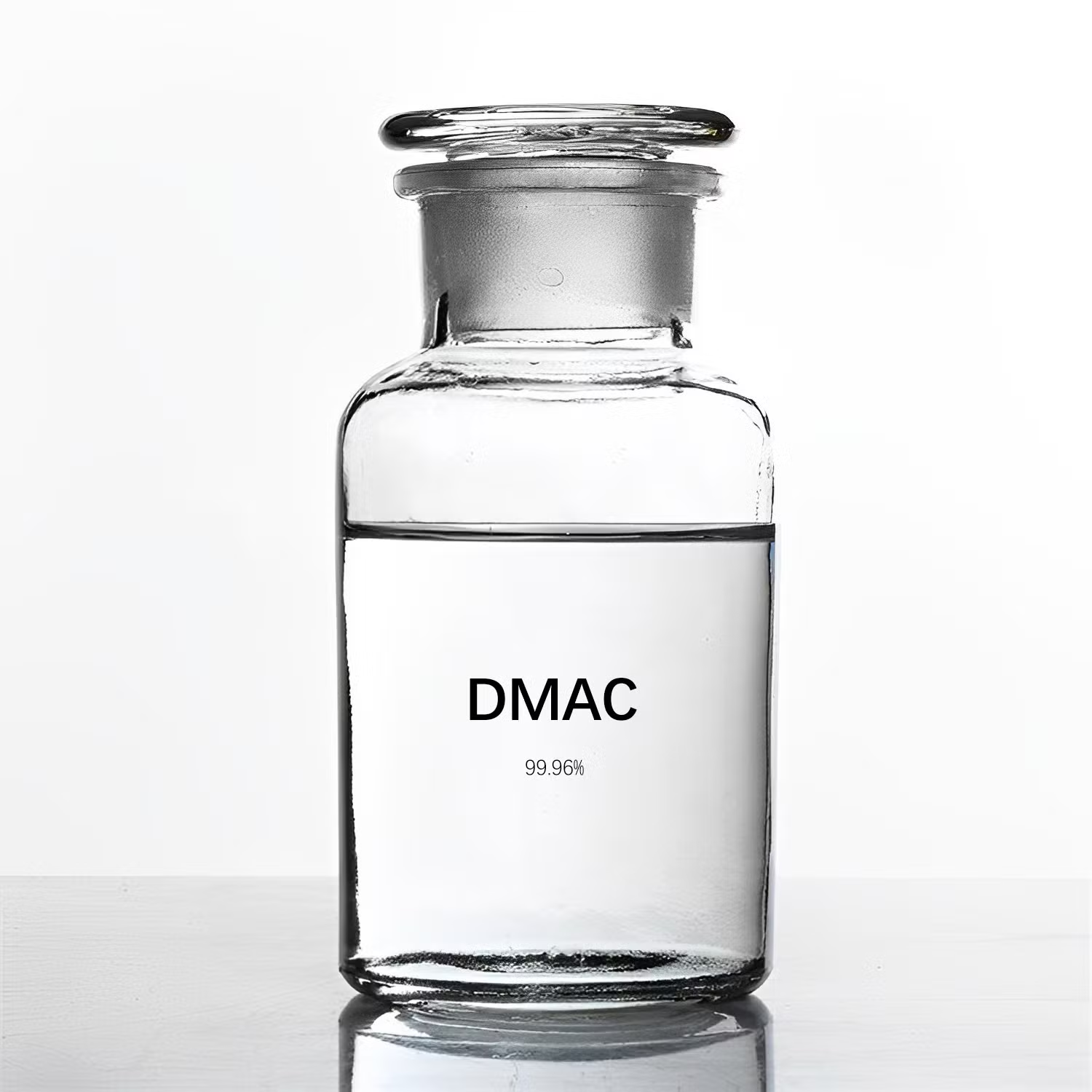
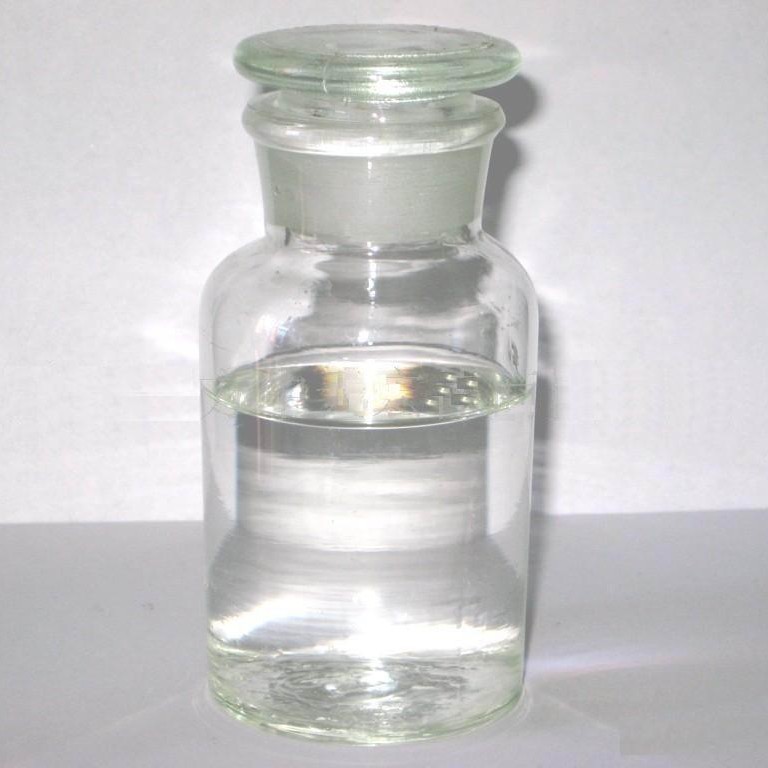
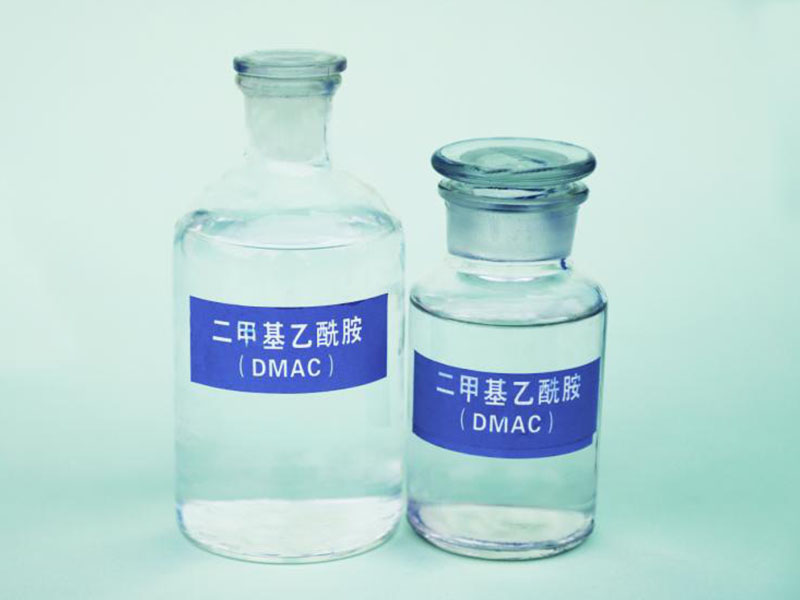
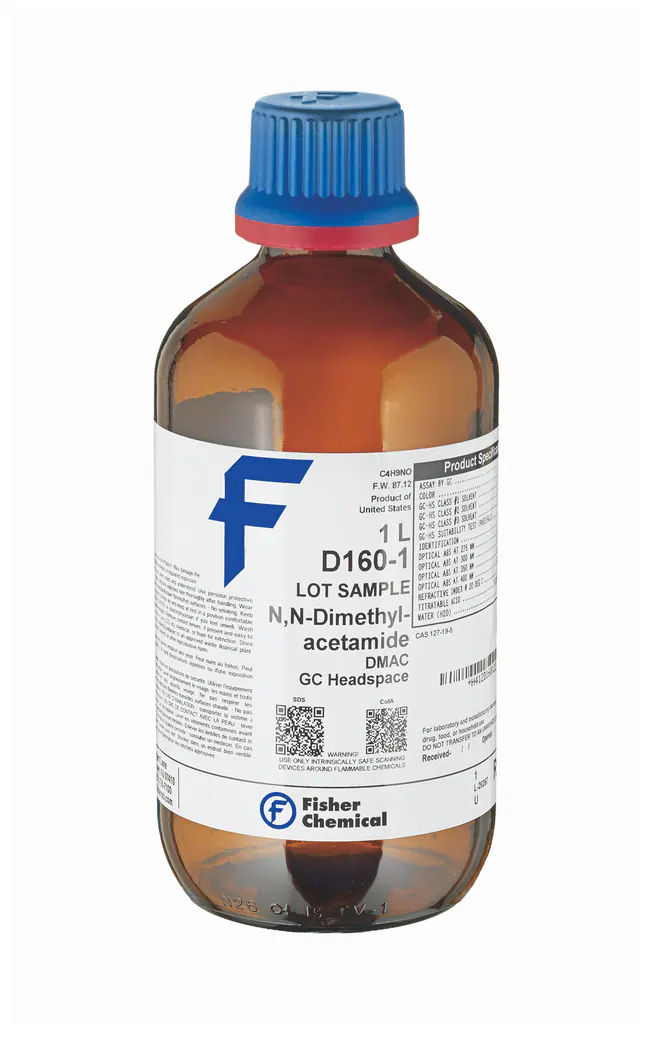
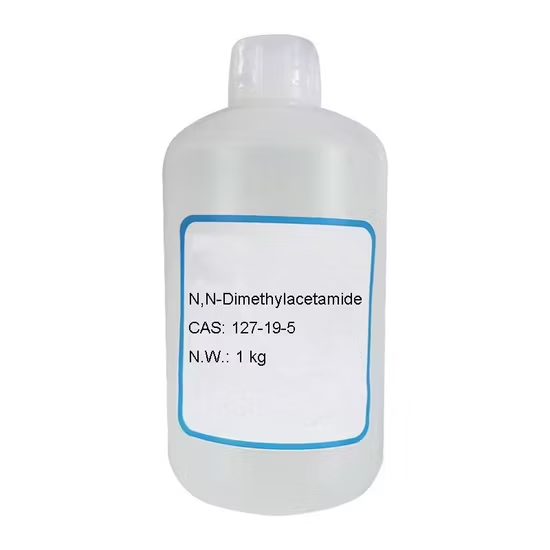
Dimethylacetamide (DMAc), a clear, colorless liquid with a faint ammonia-like odor, is a versatile aprotic solvent widely used in various industrial and laboratory applications. Its excellent solvency properties, high boiling point, and thermal stability make it a valuable tool for chemists, engineers, and manufacturers across diverse fields.

What is Dimethylacetamide?

DMAc is an organic compound with the chemical formula CH3CON(CH3)2. It belongs to the class of amides and is derived from acetic acid by replacing one of the hydrogen atoms on the methyl group with two methyl groups on the nitrogen atom. This structure contributes to its unique properties and makes it a highly effective solvent.

Key Properties of DMAc:

  • Excellent Solvency: DMAc exhibits excellent solvency for a wide range of materials, including polymers, resins, dyes, and organic compounds. This makes it ideal for use in reactions, extractions, and formulations.
  • High Boiling Point: With a boiling point of around 165°C, DMAc can be used in reactions requiring high temperatures without significant solvent evaporation.
  • Thermal Stability: DMAc is thermally stable, meaning it can withstand high temperatures without decomposing, making it suitable for various high-temperature applications.
  • Miscibility: DMAc is miscible with water and a variety of organic solvents, offering flexibility in formulation and processing.
  • Relatively Low Toxicity: While proper handling precautions are necessary, DMAc is considered to have relatively low toxicity compared to some other aprotic solvents.

Applications of DMAc:

DMAc’s unique properties make it essential in numerous applications, including:

  • Polymer Chemistry:
    • Solvent for Polymer Synthesis: DMAc is used as a solvent in the synthesis of various polymers, including polyimides, polyamides, and polyacrylonitrile. Its ability to dissolve these polymers makes it a crucial component in their production.
    • Spinning Solvent: In the textile industry, DMAc is used as a spinning solvent for the production of synthetic fibers like spandex and modacrylic fibers.
  • Pharmaceutical Industry:
    • Solvent for Drug Synthesis: DMAc is used in the synthesis of various pharmaceutical compounds, offering a stable and reliable solvent for complex reactions.
    • Formulation of Pharmaceuticals: DMAc can be used to formulate drugs for various delivery methods, including transdermal patches (as a penetration enhancer).
  • Electronics Industry:
    • Etching and Cleaning: DMAc is used as an etching and cleaning agent in the manufacturing of semiconductors and printed circuit boards.
    • Photoresist Stripping: It can be used to remove photoresist materials after etching processes.
  • Petrochemical Industry:
    • Extraction of Aromatics: DMAc is used as an extractive solvent in the petrochemical industry to separate aromatic hydrocarbons from aliphatic hydrocarbons.
  • Other Applications:
    • Paint Strippers: Its solvency properties make it useful in paint strippers.
    • Reaction Medium: DMAc serves as a reaction medium for various organic synthesis reactions.
    • Laboratory Reagent: DMAc is widely used as a solvent and reagent in chemical laboratories for a multitude of research purposes.

Safety Precautions:

While DMAc has relatively low toxicity compared to some other solvents, it’s crucial to handle it with care. The following precautions should be observed:

  • Ventilation: Use DMAc in a well-ventilated area to avoid inhalation of vapors.
  • Protective Gear: Wear appropriate personal protective equipment (PPE), including gloves, eye protection, and protective clothing, to prevent skin and eye contact.
  • Flammability: DMAc is flammable, so keep it away from heat, sparks, and open flames.
  • Storage: Store DMAc in a tightly closed container in a cool, dry, and well-ventilated area.

Conclusion:

Dimethylacetamide (DMAc) is a powerful and versatile solvent with a wide range of applications spanning various industries. Its excellent solvency, high boiling point, thermal stability, and relative low toxicity make it an indispensable tool for chemists, engineers, and manufacturers alike. By understanding its properties and adhering to proper safety precautions, DMAc can be utilized effectively and safely in numerous processes and applications. As research and development continue, the potential applications of DMAc are likely to expand even further in the future.
Description

Dimethylacetamide (DMAc): A Versatile Solvent with a Wide Range of Applications

Dimethylacetamide (DMAc), a clear, colorless liquid with a faint ammonia-like odor, is a versatile aprotic solvent widely used in various industrial and laboratory applications. Its excellent solvency properties, high boiling point, and thermal stability make it a valuable tool for chemists, engineers, and manufacturers across diverse fields.

What is Dimethylacetamide?

DMAc is an organic compound with the chemical formula CH3CON(CH3)2. It belongs to the class of amides and is derived from acetic acid by replacing one of the hydrogen atoms on the methyl group with two methyl groups on the nitrogen atom. This structure contributes to its unique properties and makes it a highly effective solvent.

Key Properties of DMAc:

  • Excellent Solvency: DMAc exhibits excellent solvency for a wide range of materials, including polymers, resins, dyes, and organic compounds. This makes it ideal for use in reactions, extractions, and formulations.
  • High Boiling Point: With a boiling point of around 165°C, DMAc can be used in reactions requiring high temperatures without significant solvent evaporation.
  • Thermal Stability: DMAc is thermally stable, meaning it can withstand high temperatures without decomposing, making it suitable for various high-temperature applications.
  • Miscibility: DMAc is miscible with water and a variety of organic solvents, offering flexibility in formulation and processing.
  • Relatively Low Toxicity: While proper handling precautions are necessary, DMAc is considered to have relatively low toxicity compared to some other aprotic solvents.

Applications of DMAc:

DMAc’s unique properties make it essential in numerous applications, including:

  • Polymer Chemistry:
    • Solvent for Polymer Synthesis: DMAc is used as a solvent in the synthesis of various polymers, including polyimides, polyamides, and polyacrylonitrile. Its ability to dissolve these polymers makes it a crucial component in their production.
    • Spinning Solvent: In the textile industry, DMAc is used as a spinning solvent for the production of synthetic fibers like spandex and modacrylic fibers.
  • Pharmaceutical Industry:
    • Solvent for Drug Synthesis: DMAc is used in the synthesis of various pharmaceutical compounds, offering a stable and reliable solvent for complex reactions.
    • Formulation of Pharmaceuticals: DMAc can be used to formulate drugs for various delivery methods, including transdermal patches (as a penetration enhancer).
  • Electronics Industry:
    • Etching and Cleaning: DMAc is used as an etching and cleaning agent in the manufacturing of semiconductors and printed circuit boards.
    • Photoresist Stripping: It can be used to remove photoresist materials after etching processes.
  • Petrochemical Industry:
    • Extraction of Aromatics: DMAc is used as an extractive solvent in the petrochemical industry to separate aromatic hydrocarbons from aliphatic hydrocarbons.
  • Other Applications:
    • Paint Strippers: Its solvency properties make it useful in paint strippers.
    • Reaction Medium: DMAc serves as a reaction medium for various organic synthesis reactions.
    • Laboratory Reagent: DMAc is widely used as a solvent and reagent in chemical laboratories for a multitude of research purposes.

Safety Precautions:

While DMAc has relatively low toxicity compared to some other solvents, it’s crucial to handle it with care. The following precautions should be observed:

  • Ventilation: Use DMAc in a well-ventilated area to avoid inhalation of vapors.
  • Protective Gear: Wear appropriate personal protective equipment (PPE), including gloves, eye protection, and protective clothing, to prevent skin and eye contact.
  • Flammability: DMAc is flammable, so keep it away from heat, sparks, and open flames.
  • Storage: Store DMAc in a tightly closed container in a cool, dry, and well-ventilated area.

Conclusion:

Dimethylacetamide (DMAc) is a powerful and versatile solvent with a wide range of applications spanning various industries. Its excellent solvency, high boiling point, thermal stability, and relative low toxicity make it an indispensable tool for chemists, engineers, and manufacturers alike. By understanding its properties and adhering to proper safety precautions, DMAc can be utilized effectively and safely in numerous processes and applications. As research and development continue, the potential applications of DMAc are likely to expand even further in the future.

Reviews

There are no reviews yet.

Be the first to review “Dimethylacetamide (DMAc)”

Your email address will not be published. Required fields are marked *

Add to cart