
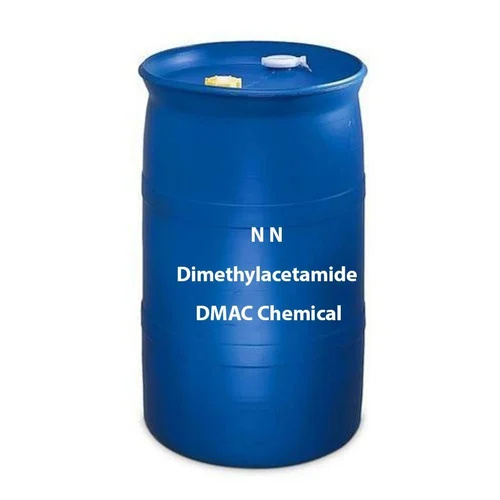
Description
Dimethylacetamide (DMAc): The Versatile Solvent You Might Not Know You Need
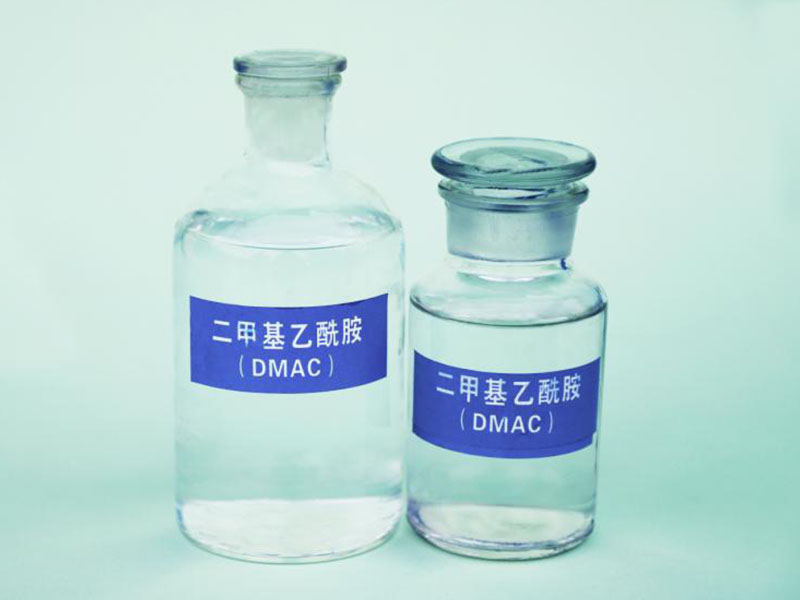
In the vast and often complex world of chemistry, certain molecules stand out for their versatility and widespread application. While some chemical names roll off the tongue with a certain familiarity, others, like Dimethylacetamide (DMAc), might sound a little more… scientific. But don’t let the name fool you. DMAc is a powerhouse solvent that plays a crucial role in a surprising number of industries and processes.
So, what exactly is Dimethylacetamide, and why should you care? Let’s dive in.
What is DMAc? A Quick Chemical Snapshot
At its core, Dimethylacetamide (DMAc) is an organic compound with the chemical formula CH₃CON(CH₃)₂. It’s a polar aprotic solvent, which is a fancy way of saying it has a significant electric dipole moment but doesn’t readily donate a proton (hydrogen atom) to a reaction. This specific characteristic makes it an excellent solvent for a wide range of materials, particularly polymers and other complex organic molecules that might be resistant to other common solvents.
Think of it like this: Imagine trying to dissolve sugar in water. Water is great because it’s polar and can easily surround and break apart the sugar molecules. However, some substances are “pickier” about what they dissolve in. DMAc, with its unique polarity and molecular structure, is the perfect “picky eater’s” solvent for many of these challenging materials.
Where Does DMAc Shine? Its Industrial Applications
The real magic of DMAc lies in its ability to dissolve and facilitate reactions for materials that other solvents struggle with. This makes it indispensable in several key industries:
- Synthetic Fibers: Perhaps one of the most well-known applications of DMAc is in the production of acrylic fibers and spandex (elastane). DMAc is used as a spinning solvent, dissolving the polymer to create a solution that can be extruded through tiny holes to form fine filaments. The solvent is then removed through evaporation or coagulation, leaving behind the strong and elastic fibers we see in our clothing and activewear.
- Pharmaceuticals: The pharmaceutical industry relies heavily on DMAc as a reaction solvent for the synthesis of various drugs and active pharmaceutical ingredients (APIs). Its ability to dissolve a wide range of organic compounds and its relatively high boiling point make it suitable for complex chemical transformations.
- Polymers and Coatings: DMAc is also a valuable solvent for polyimides, high-performance polymers known for their exceptional thermal stability and mechanical strength. These polymers are used in demanding applications like aerospace components, electronics, and high-temperature insulation. DMAc helps in processing these polymers, making them more workable for various applications, including coatings and films.
- Agrochemicals: In the production of certain pesticides and herbicides, DMAc can be used as a solvent or co-solvent to ensure effective formulation and delivery of the active ingredients.
- Other Niche Applications: Beyond these major industries, DMAc finds its way into various smaller but significant applications, such as in the manufacturing of certain adhesives, as a component in specialized cleaning solutions, and even in some research laboratory settings for its unique solvent properties.
Understanding the Benefits and Considerations
The widespread use of DMAc isn’t accidental. It offers several compelling advantages:
- Excellent Solvency: As highlighted, its primary strength is its ability to dissolve a broad spectrum of organic and inorganic compounds, especially polymers.
- High Boiling Point: DMAc has a relatively high boiling point (around 165°C), which can be beneficial in processes requiring elevated temperatures or where slow evaporation is desired.
- Good Thermal and Chemical Stability: It is relatively stable under various processing conditions, which is crucial for consistent results.
However, like all industrial chemicals, DMAc also comes with considerations that need to be managed:
- Health and Safety: DMAc is classified as a substance that can be harmful if inhaled, swallowed, or absorbed through the skin. It is also a potential reproductive toxin. Therefore, strict safety protocols, including proper ventilation, personal protective equipment (PPE), and handling procedures, are essential when working with it.
- Environmental Impact: While DMAc can be managed responsibly, its release into the environment needs to be controlled. Manufacturers and users adhere to regulations and implement waste management strategies to minimize its environmental footprint.
The Unseen Workhorse
Dimethylacetamide might not be a household name, but its contributions to the products we use daily and the advancements in various industries are undeniable. From the stretchy fabric in your favorite leggings to the advanced materials in cutting-edge electronics, DMAc is often the silent, unseen workhorse making it all possible.
As research and development continue, the demand for versatile solvents like DMAc is likely to persist. Understanding its properties, applications, and the necessary safety precautions allows us to appreciate the intricate chemistry that underpins our modern world.
Have you encountered DMAc in your work or studies? Share your experiences in the comments below!



Reviews
There are no reviews yet.