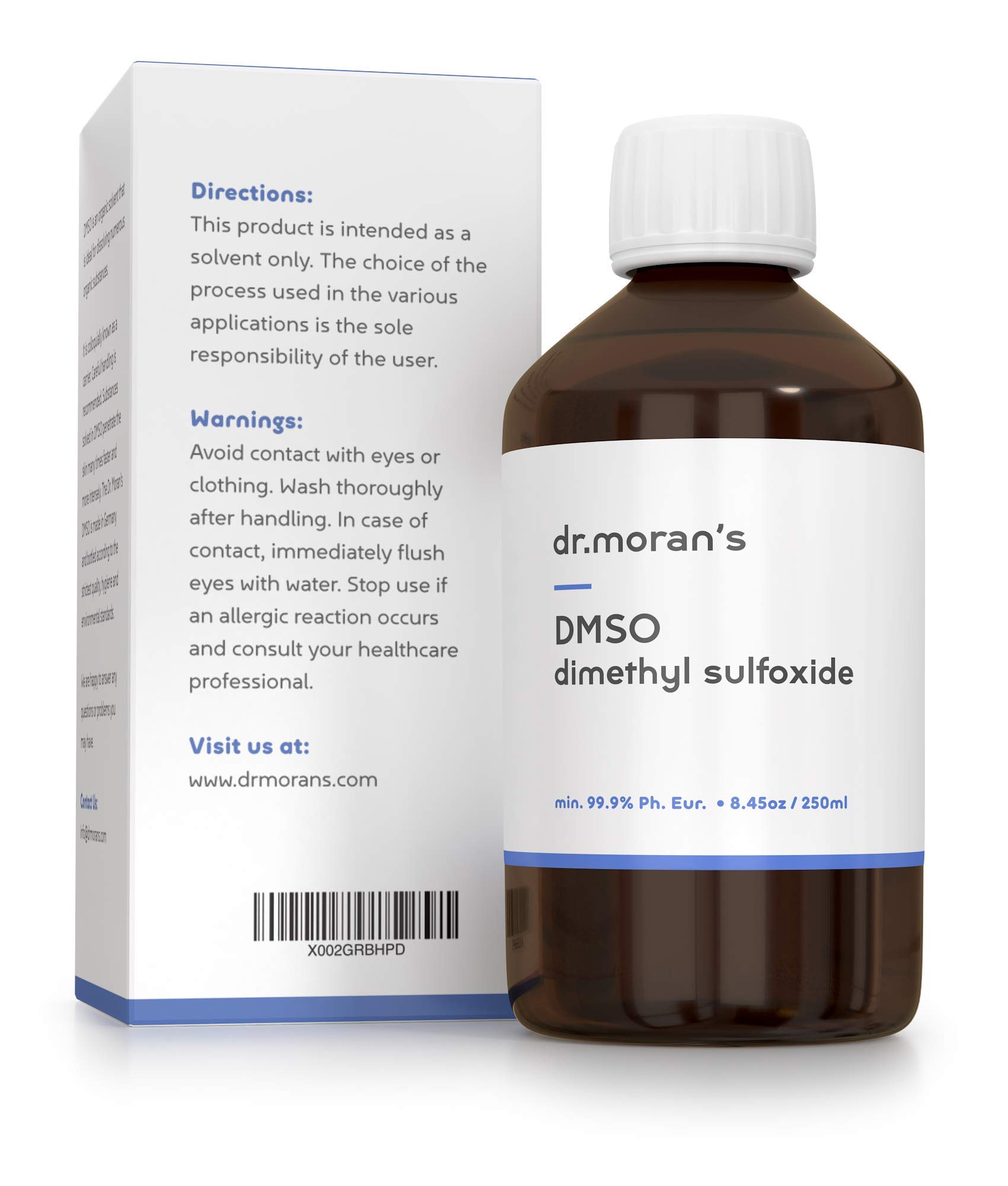
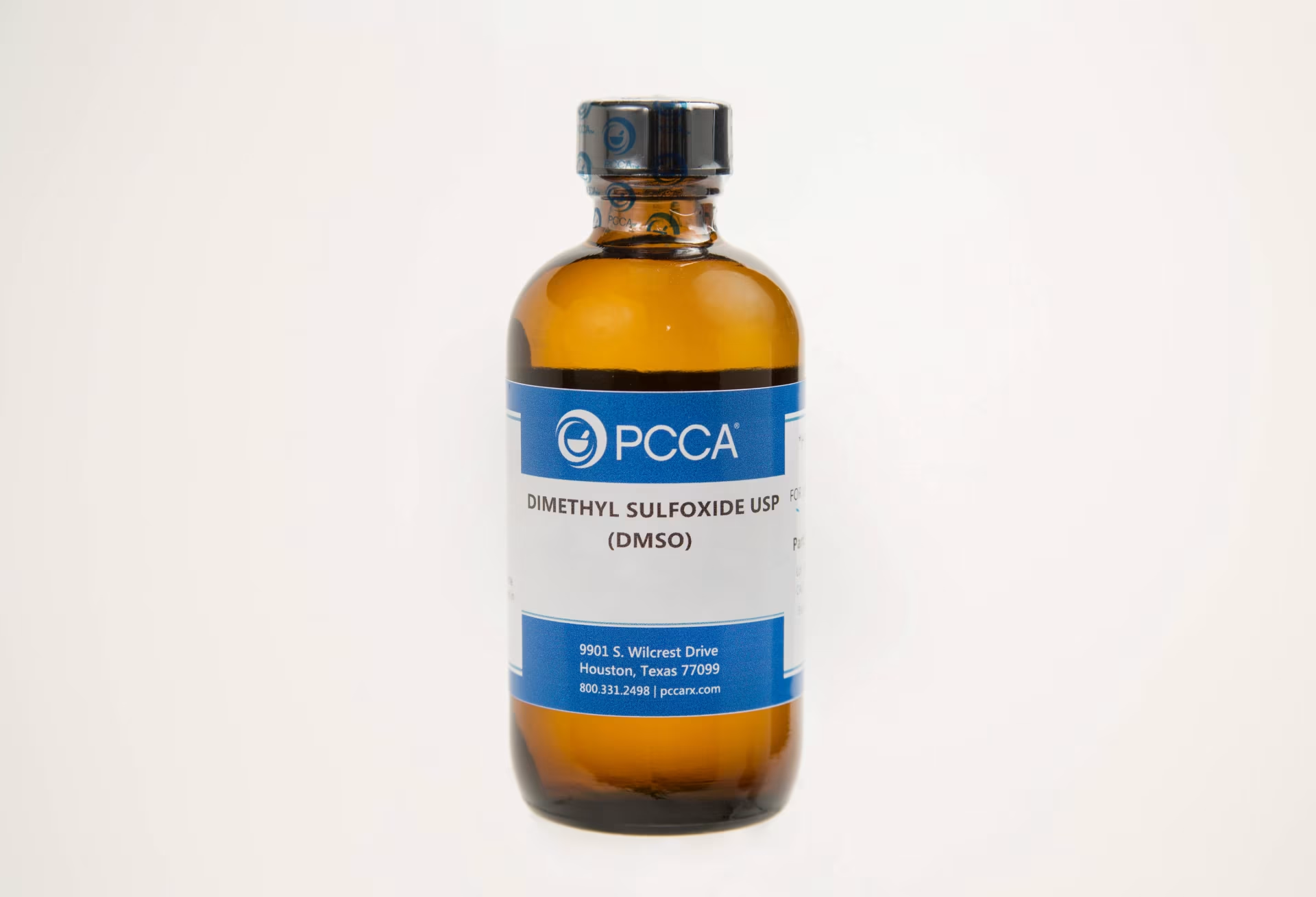
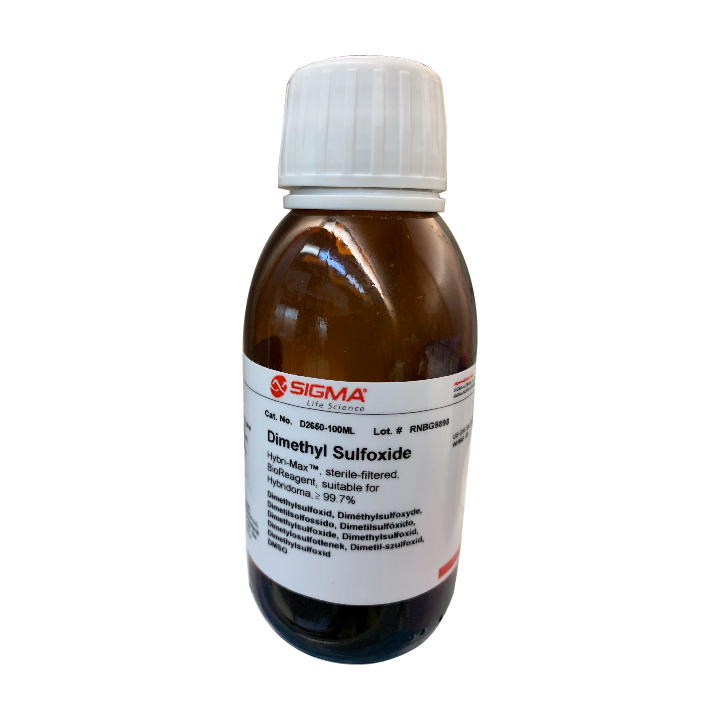
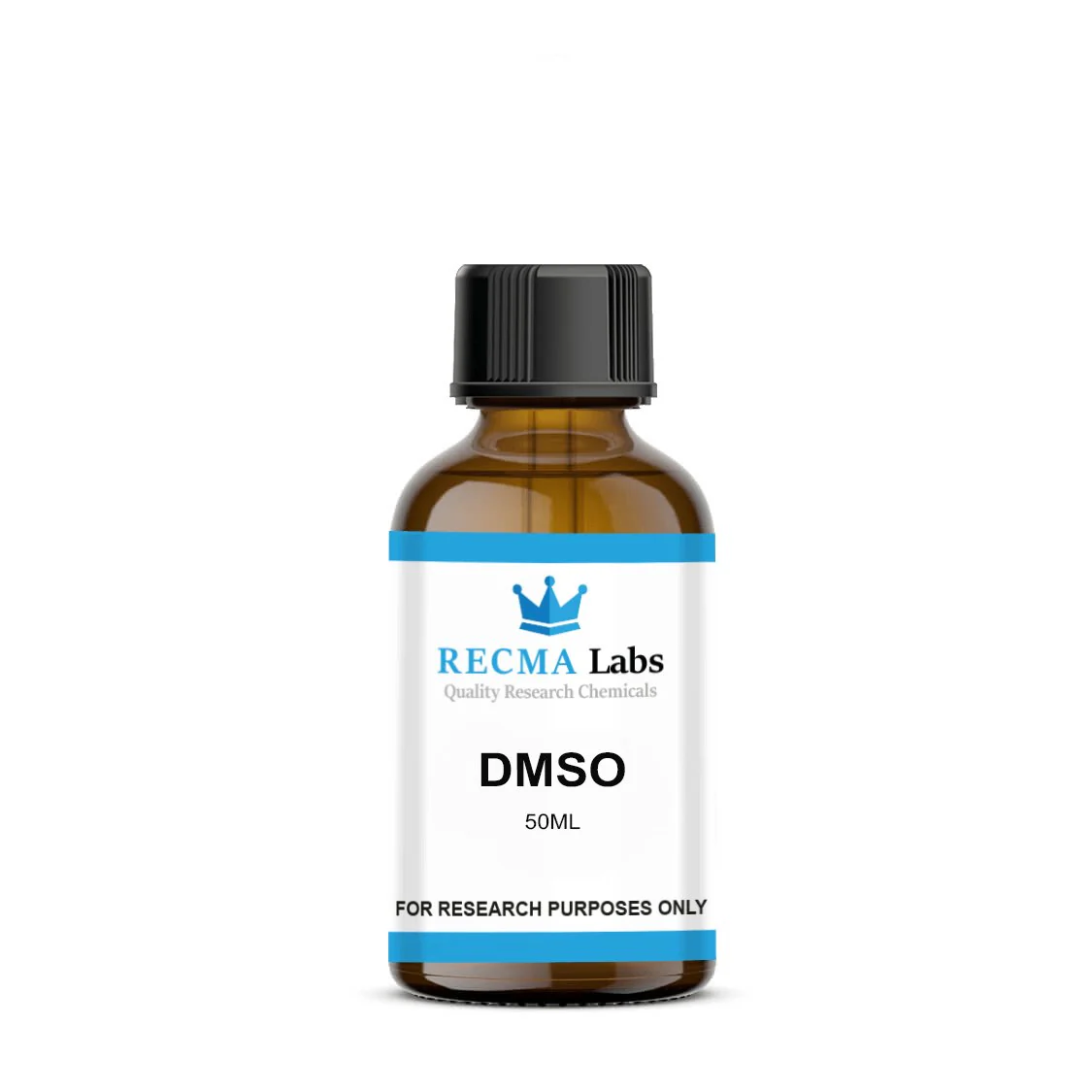
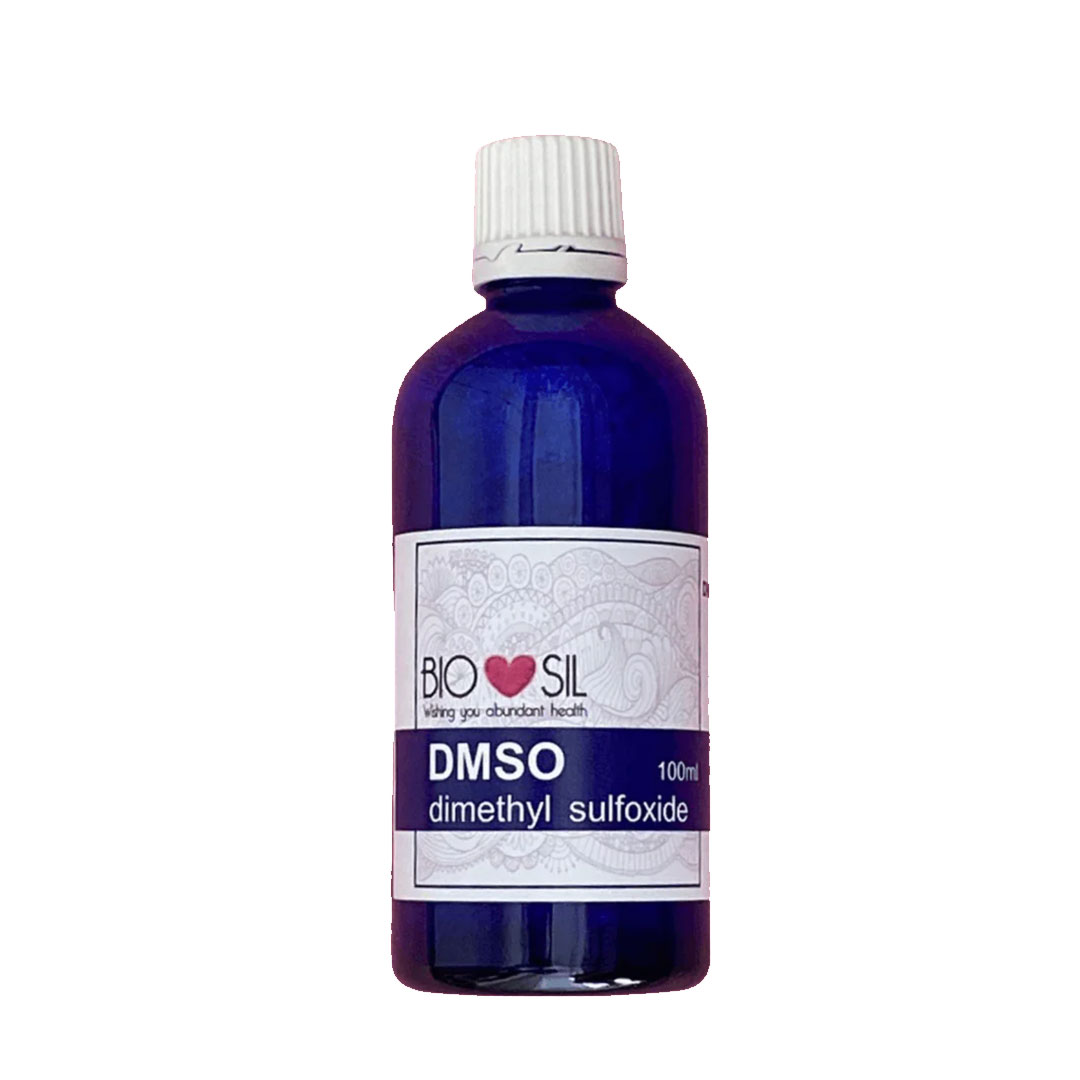
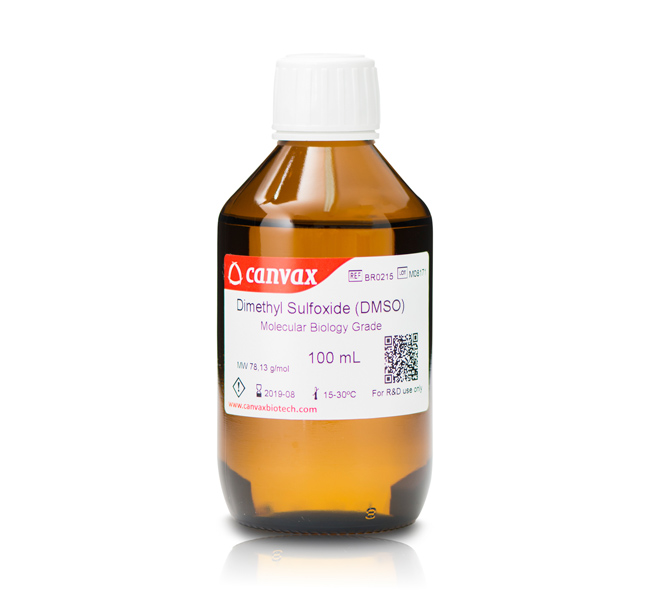
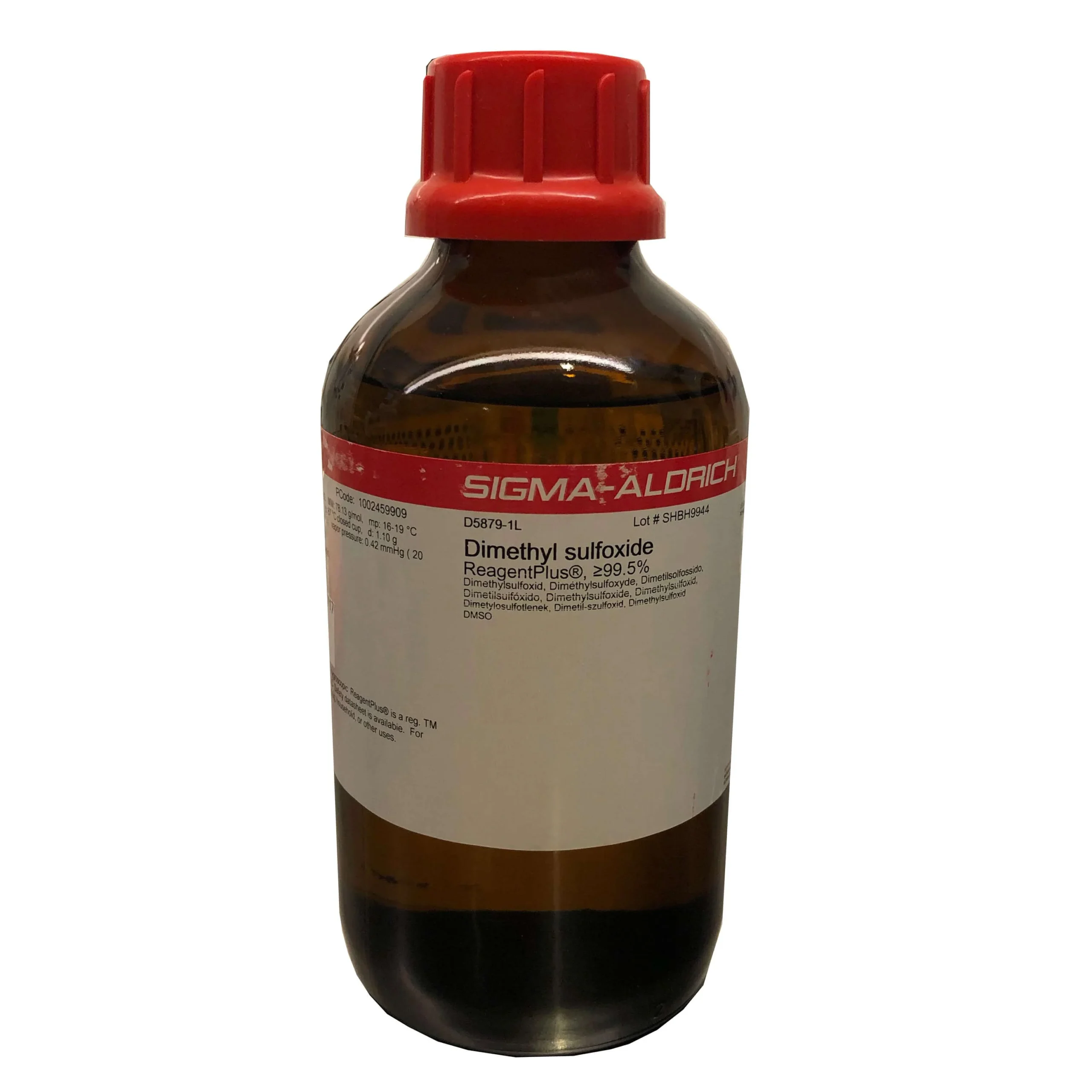
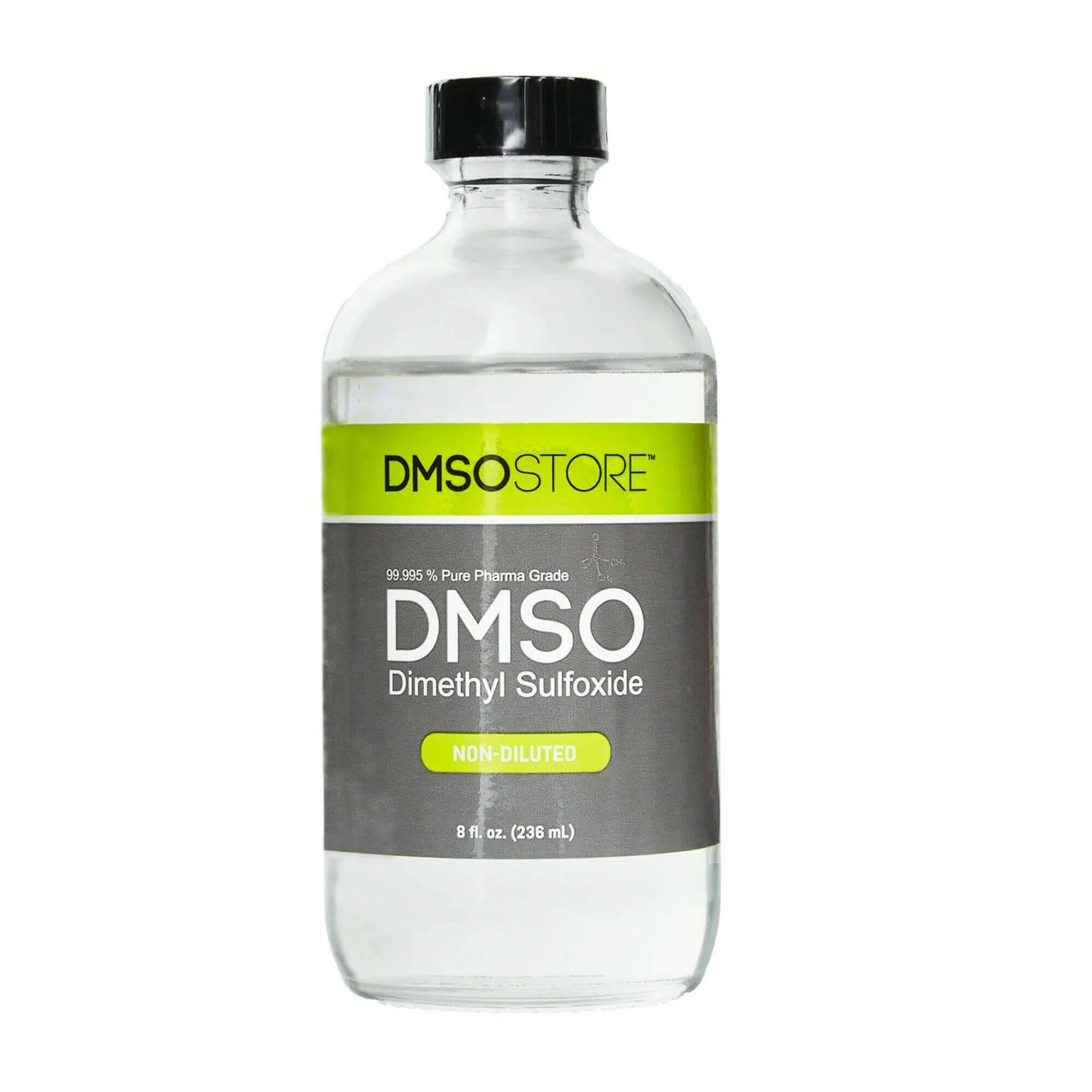
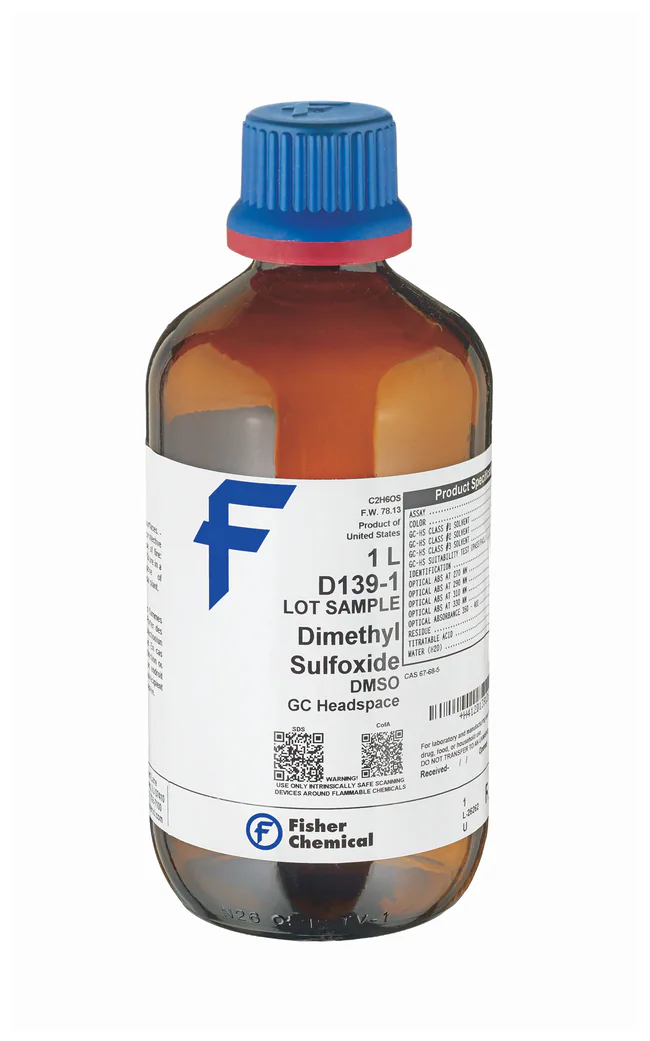
Dimethyl sulfoxide (DMSO)

£27.63

Dimethyl sulfoxide (DMSO): Unlocking its Benefits, Prescription, Nutritional Information, and Ingredients

Are you curious about the benefits of Dimethyl sulfoxide (DMSO)? This powerful compound has been gaining popularity in the health and wellness industry due to its numerous therapeutic properties. In this article, we will explore the benefits of DMSO, how it can be prescribed, its nutritional information, and the key ingredients that make it so effective.

What are the Benefits of Dimethyl sulfoxide (DMSO)?

  • Pain Relief: DMSO is known for its powerful anti-inflammatory properties, making it a popular choice for those suffering from arthritis, muscle pain, and joint inflammation.
  • Wound Healing: This compound has been shown to promote faster wound healing by reducing inflammation and increasing blood flow to the affected area.
  • Skin Health: DMSO is often used topically to improve skin conditions such as acne, eczema, and psoriasis, thanks to its ability to reduce inflammation and promote healing.
  • Detoxification: DMSO has been found to help remove toxins from the body, making it a valuable tool for those looking to support their liver and kidney function.

How is Dimethyl sulfoxide (DMSO) Prescribed?

DMSO is available in various forms, including creams, gels, and liquid solutions. It can be prescribed by a healthcare professional for specific conditions such as arthritis, sports injuries, and skin inflammation. When using DMSO, it is important to follow the recommended dosage and application instructions to ensure safe and effective use.

Nutritional Information of Dimethyl sulfoxide (DMSO)

Although DMSO is not typically ingested orally, it is essential to understand its nutritional information for topical use. This compound is a powerful solvent that can penetrate the skin quickly, delivering its therapeutic benefits deep into the tissues. When choosing a DMSO product, look for high-quality ingredients and avoid any additives or fillers that may diminish its effectiveness.

Key Ingredients in Dimethyl sulfoxide (DMSO)

The main ingredient in DMSO is dimethyl sulfoxide, a byproduct of wood processing that has been used for its medicinal properties for decades. This compound is known for its ability to reduce inflammation, ease pain, and promote healing. When combined with other natural ingredients such as aloe vera, vitamin E, and essential oils, DMSO can be even more effective in addressing a wide range of health concerns.
In conclusion, Dimethyl sulfoxide (DMSO) offers a multitude of benefits for pain relief, wound healing, skin health, and detoxification. By understanding how DMSO is prescribed, its nutritional information, and the key ingredients that make it effective, you can unlock the full potential of this powerful compound for your health and wellness needs. Consider incorporating DMSO into your healthcare routine with the guidance of a healthcare professional to experience its many benefits firsthand.

Category:

Description

Dimethyl Sulfoxide (DMSO): A Versatile Solvent with a Complex Reputation

Dimethyl sulfoxide (DMSO), a colorless liquid with the chemical formula (CH₃)₂SO, is a powerful and intriguing solvent gaining increasing recognition for its multifaceted applications across various fields. While often associated with topical pain relief, DMSO’s properties extend far beyond this single use, sparking interest and debate within the scientific community.

A Solvent Like No Other:

At its core, DMSO is an exceptional polar aprotic solvent. This means it can dissolve both polar and non-polar compounds, making it a valuable tool in chemistry and biology. Its ability to penetrate biological membranes is another key characteristic, allowing it to effectively carry other substances into cells. This permeation property is the foundation for its use in topical applications.

Beyond Pain Relief: A Spectrum of Applications:

While often marketed for alleviating pain associated with conditions like arthritis and muscle soreness, DMSO’s potential reaches much further:

  • Pharmaceuticals: DMSO serves as a cryoprotectant, preventing ice crystal formation during the freezing and thawing of cells, tissues, and organs. This makes it vital for long-term storage of biological samples, including stem cells and cord blood.
  • Drug Delivery: Its ability to penetrate skin and other tissues allows DMSO to be used as a vehicle for delivering drugs directly to affected areas. It can enhance the absorption of topical medications and even be used in transdermal drug delivery systems (patches).
  • Veterinary Medicine: DMSO has been approved for veterinary use in certain countries for treating conditions like inflammation and pain in animals, particularly horses.
  • Industry: In industrial settings, DMSO is employed as a cleaning solvent, stripper, and reaction medium. Its ability to dissolve a wide range of substances makes it useful in the production of polymers, textiles, and electronics.

The Controversy and Caveats:

Despite its versatility, DMSO remains a subject of controversy. Concerns often arise due to its:

  • Garlic-like Odor: A significant drawback is the distinctive, garlic-like odor it can impart to breath and sweat, even after topical application. This can be unpleasant for both the user and those around them.
  • Potential for Contamination: Since DMSO can readily penetrate the skin, it’s crucial to use only pharmaceutical-grade DMSO. Lower grades may contain impurities that can be carried into the body.
  • Limited Scientific Evidence for Certain Claims: While anecdotal evidence supports its use for various conditions, robust scientific evidence is lacking for many of its purported benefits. More rigorous clinical trials are needed to fully understand its efficacy and safety.
  • Potential Side Effects: Possible side effects include skin irritation, burning sensations, and allergic reactions. It’s crucial to perform a patch test before widespread application.

Navigating the DMSO Landscape:

Given its complex nature, responsible use of DMSO is paramount. Individuals considering using DMSO should:

  • Consult with a healthcare professional: Discuss potential benefits, risks, and interactions with other medications.
  • Use only pharmaceutical-grade DMSO: Ensure purity and minimize the risk of contamination.
  • Perform a patch test: Apply a small amount to the skin to check for allergic reactions.
  • Follow recommended dosage guidelines: Avoid excessive use to minimize potential side effects.

Conclusion:

Dimethyl sulfoxide is a fascinating and multifaceted compound with a wide range of potential applications. From cryopreservation to drug delivery, its unique properties make it a valuable tool in various fields. However, it’s crucial to acknowledge the controversies surrounding its use, carefully consider the potential risks, and consult with a healthcare professional to ensure safe and responsible application. As research continues to explore its capabilities, DMSO’s role in medicine, industry, and beyond is likely to evolve further.

Reviews

There are no reviews yet.

Be the first to review “Dimethyl sulfoxide (DMSO)”

Your email address will not be published. Required fields are marked *

Add to cart