
Description
Dimethyl carbonate (DMC)
Dimethyl carbonate is a simple organic carbonate ester with the formula C3H6O3. It is widely used as a green solvent and as a safer alternative in carbonate chemistry, including polymer synthesis and battery electrolytes.
Key properties
- Chemical formula: C3H6O3
- Molar mass: 90.08 g/mol
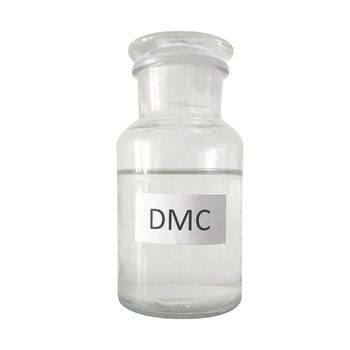
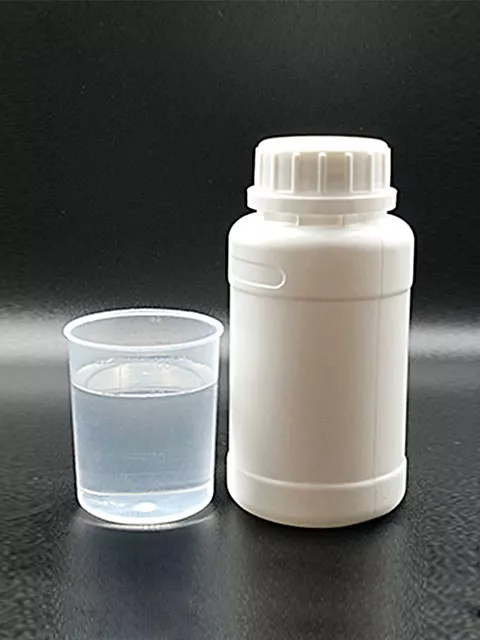
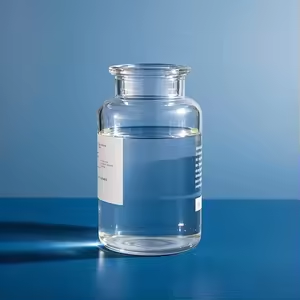
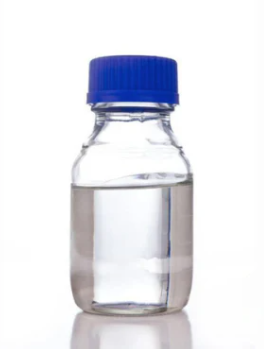
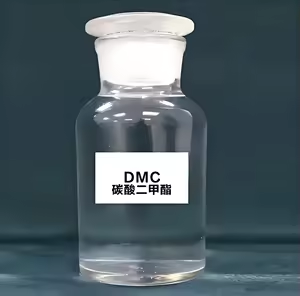
- Physical state: Colorless liquid
- Boiling point: approximately 90–92 °C
- Solvent use: Excellent solvent for a wide range of polymers, coatings, and formulations; compatible with many organic solvents.
- Safety characteristics: Flammable liquid; generally considered to have relatively low acute toxicity compared with some traditional solvents. Handle with appropriate precautions.
Production and synthesis routes
Dimethyl carbonate can be produced by several routes. The main industrial approaches include:
- Phosgene-based route (historical): Methanol reacts with phosgene to form DMC plus hydrogen chloride. This route is effective but uses a highly toxic intermediate.
- Oxidative carbonylation of methanol (green route): Methanol reacts with carbon monoxide and oxygen in the presence of a catalyst to yield DMC and water. This route is favored for its reduced reliance on phosgene.
- Transesterification route: Ethylene carbonate (EC) reacts with methanol to form DMC and ethylene glycol. This route is useful in integrated chemical processes where EC is available.
Main uses
- Solvent for coatings, inks, and adhesives: DMC is valued for its polarity, low odor, and relatively good solvating power for various resins and polymers.
- Polymer and resin synthesis: Used as a feedstock or solvent in processes that aim to avoid phosgene-derived routes.
- Battery electrolytes: Acts as a solvent component in lithium-ion battery electrolytes, often in mixtures with other carbonates to balance properties such as dielectric constant and viscosity.
- Green chemistry applications: Employed as a safer alternative to more hazardous carbonate reagents in certain manufacturing processes.
Safety and handling
- Flammability: DMC is flammable. Use in a well-ventilated area away from ignition sources.
- Exposure precautions: Avoid inhalation and skin/eye contact. Use appropriate PPE (gloves, goggles, lab coat) and employ proper containment.
- Storage: Store in a cool, dry place in compatible containers, away from strong oxidizers and sources of heat.
- Hydrolysis consideration: DMC can hydrolyze in the presence of water or moisture to methanol and carbon dioxide; handle and store in sealed conditions to minimize moisture ingress.
Environmental considerations
- Toxicity and biodegradation: DMC generally exhibits low acute toxicity relative to some traditional solvents, but releases should be managed to minimize environmental exposure. It can hydrolyze in water to methanol and CO2, so spills should be contained and treated in accordance with local regulations.
- Regulatory context: As with many solvents, regulatory requirements may apply to usage, storage, and disposal depending on the region and application.
Quick reference (highlights)
- Chemical formula: C3H6O3
- Common name: Dimethyl carbonate
- Major applications: Green solvent, polymer chemistry, battery electrolytes
- Notable production routes: Phosgene-based, oxidative carbonylation of methanol, transesterification with ethylene carbonate
If you’d like, I can tailor this to a specific use case (for example, solvent selection for a coating formulation, or safety data for a lab setting) and provide more detailed data such as exact solvent properties, regulatory references, or typical purity grades.


Reviews
There are no reviews yet.