
Description
Dimethyl Carbonate: A Cornerstone of Green Chemistry and Innovation
In the ongoing global quest for more sustainable industrial practices, certain molecules emerge as true game-changers. Dimethyl Carbonate (DMC) is undeniably one such molecule, gaining significant attention for its remarkable versatility, low toxicity, and environmentally friendly profile. Often hailed as a “green” chemical, DMC is rapidly becoming an indispensable component across a wide array of industries, from energy storage to pharmaceuticals.
What is Dimethyl Carbonate?
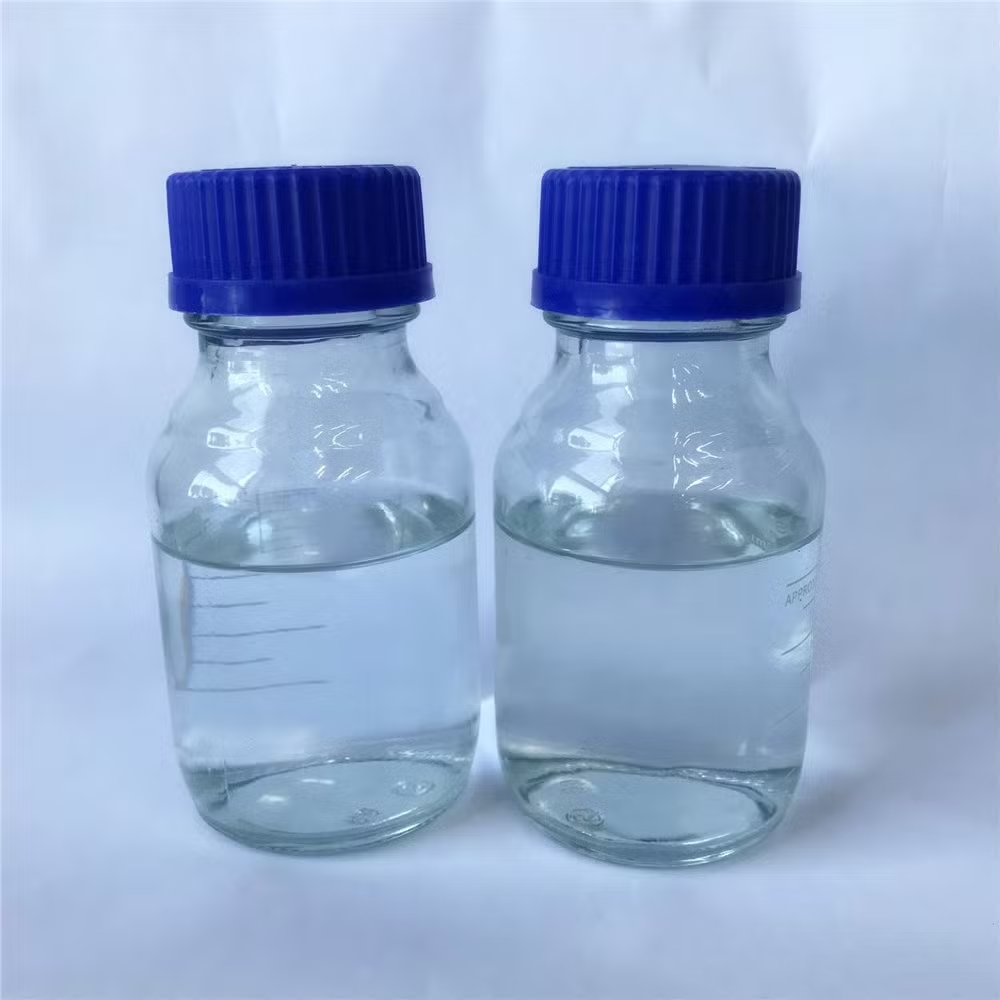
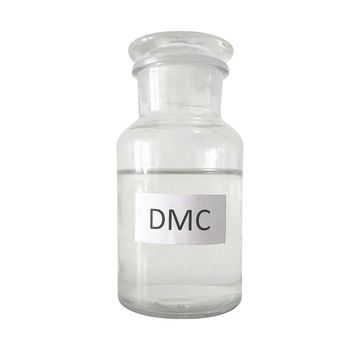
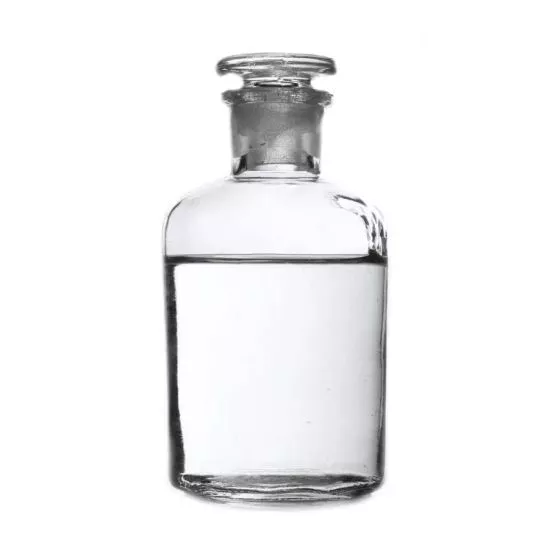
Chemically, Dimethyl Carbonate (DMC) is an organic compound with the formula (CH₃O)₂CO. It is a clear, colorless liquid with a mild, pleasant ester-like odor. Its unique molecular structure, featuring a carbonate group flanked by two methyl groups, endows it with properties that make it an attractive alternative to many traditional, less green chemicals.
The Green Chemistry Advantage
The primary appeal of DMC lies in its alignment with green chemistry principles:
- Non-Toxic and Biodegradable: Unlike many conventional solvents and reagents, DMC exhibits very low toxicity to humans and the environment. It is readily biodegradable, reducing its persistence in ecosystems.
- Replacement for Phosgene: Traditionally, polycarbonates (a type of plastic) and other chemicals were produced using highly toxic phosgene. DMC acts as a safer and equally effective phosgene substitute, significantly enhancing worker safety and environmental protection.
- Methylating Agent Alternative: DMC can replace hazardous methyl halides (like methyl iodide or methyl chloride) as a methylating agent in various chemical syntheses, eliminating the production of corrosive and ozone-depleting byproducts.
- CO₂ Utilization: A significant portion of DMC is manufactured using carbon dioxide and methanol as feedstocks. This process not only provides an economic benefit but also represents a direct utilization of a greenhouse gas, contributing to carbon capture and utilization efforts.
- Low Volatile Organic Compound (VOC) Emissions: As a solvent, DMC contributes less to air pollution compared to many traditional organic solvents due to its favorable evaporation profile and lower reactivity in the atmosphere.
Diverse Applications
DMC’s exceptional properties have paved the way for its widespread adoption across multiple sectors:
- Energy Storage (Batteries): One of the most significant applications of DMC is its use as a key component in the electrolyte solutions for lithium-ion batteries. Its high dielectric constant, low viscosity, and good thermal stability are crucial for efficient ion transport and overall battery performance, making it vital for electric vehicles, portable electronics, and grid-scale energy storage.
- Polymers and Plastics: DMC is a critical building block in the production of polycarbonates, a versatile class of thermoplastics known for their high impact resistance and transparency. Its use here epitomizes the shift from phosgene-based routes to cleaner, non-phosgene alternatives.
- Paints, Coatings, and Adhesives: Due to its excellent solvency and low toxicity, DMC is increasingly used as an environmentally friendly solvent in various paints, coatings, and adhesives. It helps formulators meet increasingly stringent environmental regulations while maintaining product quality.
- Pharmaceuticals and Agrochemicals: In the synthesis of active pharmaceutical ingredients (APIs) and agrochemicals, DMC serves as both a solvent and a reagent for methylation, carbonylation, and transesterification reactions. Its safety profile makes it particularly attractive in these sensitive industries.
- Fuel Additive: Though less common, DMC can also be used as a fuel additive, where it contributes to improving octane ratings and reducing harmful emissions from gasoline engines.
Future Outlook
The trajectory for Dimethyl Carbonate appears robust. As industries continue to prioritize sustainability, safety, and efficiency, the demand for DMC is expected to grow substantially. Ongoing research aims to further optimize its synthesis routes, explore novel applications, and enhance its performance in existing uses. Challenges include scaling up production efficiently to meet burgeoning demand and ensuring competitive pricing against established, albeit less green, alternatives.
Conclusion
Dimethyl Carbonate stands as a prime example of how innovative chemistry can align seamlessly with environmental responsibility. From powering our portable devices and electric vehicles to enabling safer manufacturing of essential plastics and medicines, DMC is more than just a chemical; it’s a testament to the power of green chemistry in shaping a more sustainable and healthier future. Its unique combination of versatility, performance, and eco-friendliness positions Dimethyl Carbonate as a true cornerstone of modern chemical innovation.



Reviews
There are no reviews yet.