
Description
Diisobutyl Phthalate (DIBP): Understanding a Common But Scrutinized Chemical
Diisobutyl phthalate (DIBP) is a synthetic chemical belonging to the family of phthalate esters. For decades, it has been a workhorse in various industrial applications due to its remarkable properties as a plasticizer. However, like many of its phthalate relatives, DIBP has come under increasing scrutiny due to its potential health and environmental impacts, leading to a global re-evaluation of its use.
What is Diisobutyl Phthalate (DIBP)?
- Chemical Identity: DIBP is an organic compound with the chemical formula C₁₆H₂₂O₄. Its Chemical Abstracts Service (CAS) registry number is 84-69-5. It is an ester of phthalic acid and isobutanol.
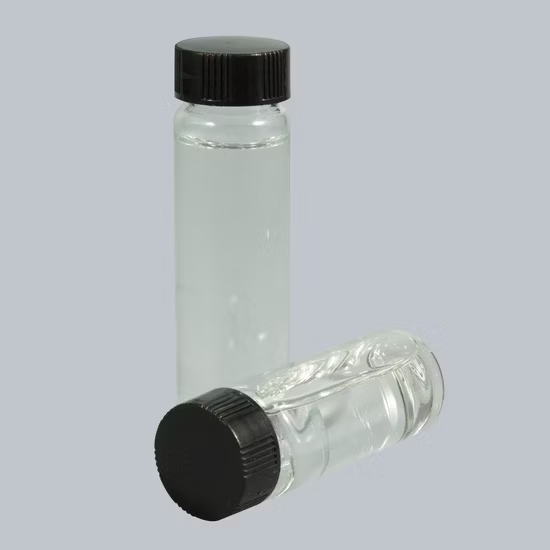
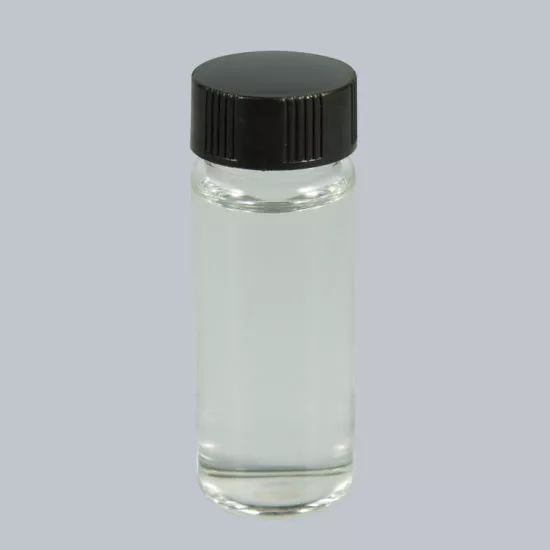
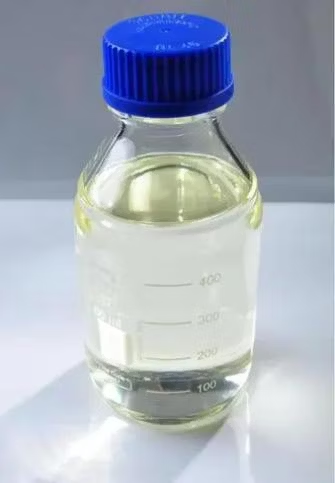
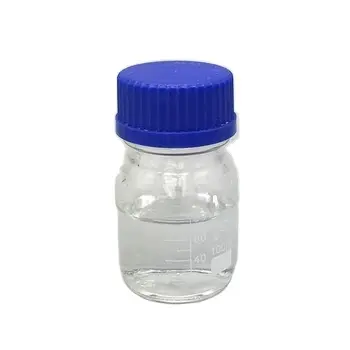
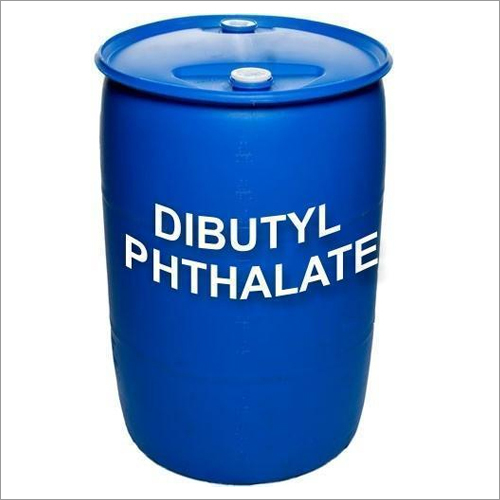
- Physical Properties: At room temperature, DIBP is typically a clear, oily liquid with a mild, characteristic odor. It has low volatility, meaning it doesn’t easily evaporate into the air.
- Primary Function: DIBP’s main role is that of a plasticizer. When added to polymers, particularly polyvinyl chloride (PVC), it increases their flexibility, durability, and workability. Without plasticizers, many plastics would be rigid and brittle.
Where is DIBP Found? (Common Uses)
Historically, DIBP has been incorporated into a wide array of products, leveraging its plasticizing capabilities:
- Plastics: Primarily used in flexible PVC applications, such as:
- Electrical cable insulation
- Automotive interior parts
- Flooring
- Some films and sheets
- Adhesives and Sealants: Enhancing flexibility and adhesion.
- Paints and Coatings: As a film-forming aid and plasticizer.
- Printing Inks: Improving their flexibility and adherence to various surfaces.
- Rubber Products: Contributing to the elasticity and processing of rubber compounds.
- Consumer Products (Historical/Limited): While increasingly phased out, it might have been found in some personal care products (e.g., nail polish, perfumes) or certain toys, though regulations have significantly restricted these uses in many regions.
Health and Environmental Concerns
The widespread use of DIBP, particularly in products that can lead to human exposure, has raised significant concerns, primarily due to its classification as an endocrine-disrupting chemical (EDC).
Potential Health Impacts:
- Endocrine Disruption: DIBP, like other phthalates, can interfere with the body’s endocrine (hormone) system. This interference might mimic or block natural hormones, potentially leading to adverse developmental, reproductive, neurological, and immune effects.
- Reproductive and Developmental Effects: Studies, primarily in animals, suggest links between DIBP exposure and adverse effects on the male reproductive system, including reduced sperm quality and developmental abnormalities in offspring.
- Metabolic Effects: Some research indicates potential associations with metabolic disorders like obesity and insulin resistance.
- Exposure Pathways: Humans can be exposed to DIBP through:
- Ingestion: From contaminated food, dust, or mouthing plastic products.
- Dermal Contact: Through skin absorption from products containing DIBP.
- Inhalation: From vapors released from products, especially in enclosed spaces.
Environmental Impacts:
- Leaching: DIBP is not chemically bound to the plastic matrix and can leach out over time, especially when products are heated, aged, or exposed to solvents.
- Persistence: While not as persistent as some other pollutants, DIBP can persist in the environment (e.g., soil, water) and accumulate in the food chain to some extent.
- Aquatic Toxicity: It can be toxic to aquatic organisms.
Regulatory Status and Restrictions
Due to the growing body of evidence regarding its potential harm, DIBP has faced increasing regulatory pressure globally:
- European Union (EU):
- DIBP is listed on the REACH Candidate List (Substances of Very High Concern – SVHC) due to its classification as an endocrine disruptor. This listing triggers obligations for companies using/producing it and is a step towards potential inclusion in the Authorization List, which would restrict its use.
- It is restricted from use in toys and childcare articles at concentrations exceeding 0.1% by weight.
- United States:
- The U.S. Consumer Product Safety Commission (CPSC) has restricted DIBP in toys and childcare articles (e.g., teething rings, pacifiers) at concentrations above 0.1%.
- The U.S. Environmental Protection Agency (EPA) continues to assess the risks of phthalates, including DIBP, under various chemical safety programs.
- Other Regions: Many other countries and regions are following similar trends, restricting or phasing out DIBP due to health concerns.
The Shift Towards Alternatives
The regulatory landscape and increasing consumer awareness have spurred industries to seek and adopt safer alternatives to DIBP and other problematic phthalates. These alternatives include:
- Non-phthalate plasticizers: Such as diisononyl cyclohexanedicarboxylate (DINCH), terephthalates (e.g., DOTP), adipates, and citrates.
- Bio-based plasticizers: Derived from renewable resources like vegetable oils.
- Alternative polymers: Using materials that do not require phthalate plasticizers.
Conclusion
Diisobutyl phthalate (DIBP) represents a classic example of a chemical that was widely embraced for its functional benefits but is now being re-evaluated for its broader impact on human health and the environment. While its industrial utility was undeniable, the growing scientific understanding of its endocrine-disrupting properties has led to significant regulatory action and a shift towards safer alternatives. As research continues to evolve, the trend is clear: the future of many products lies in phthalate-free formulations, prioritizing both performance and safety.
Disclaimer: This article provides general information about Diisobutyl Phthalate (DIBP) for educational purposes. It is not intended to be medical, chemical, or regulatory advice. For specific concerns, consult with qualified professionals.



Reviews
There are no reviews yet.