
Description
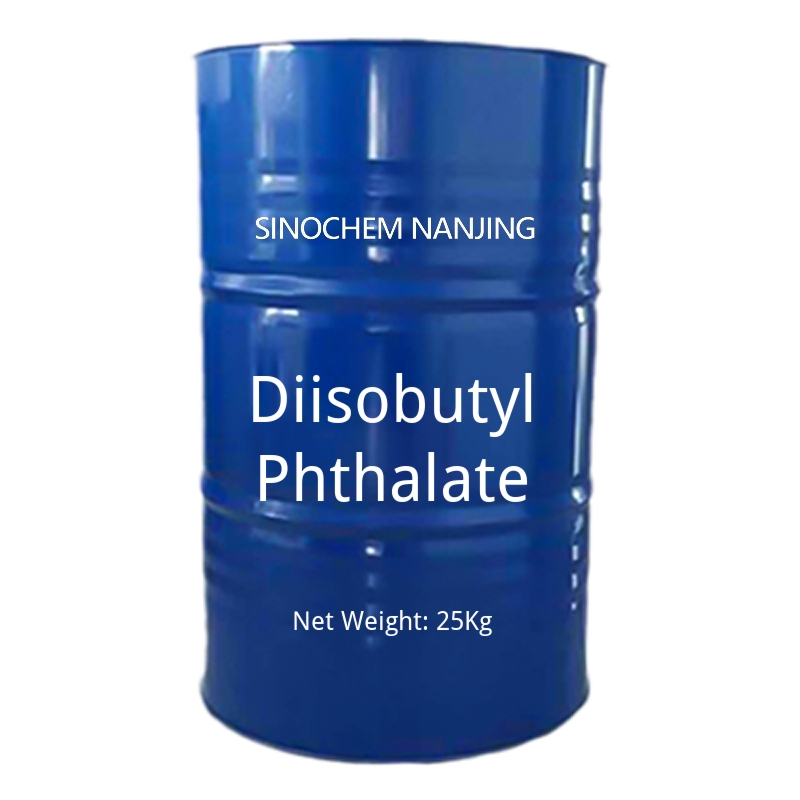
Diisobutyl Phthalate (DIBP)
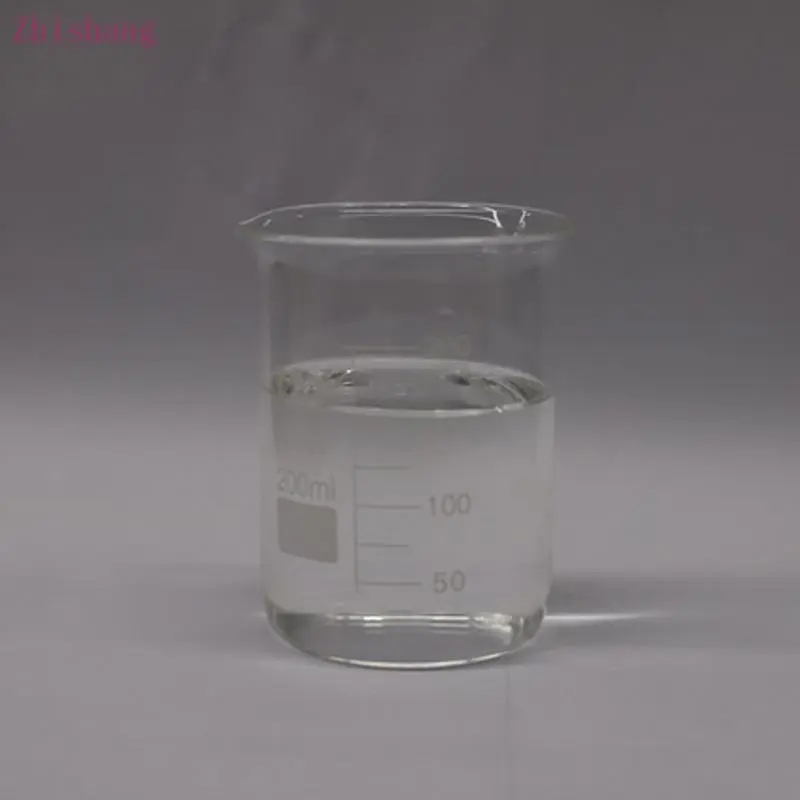
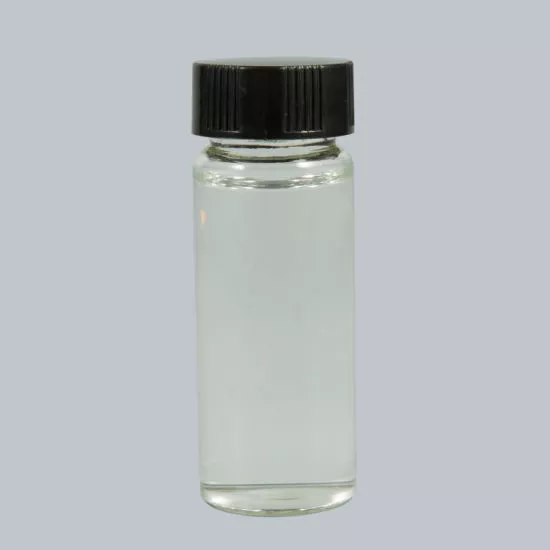
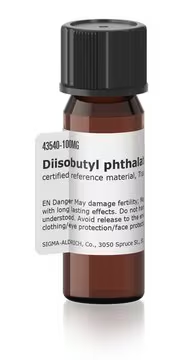
Diisobutyl phthalate (DIBP) is a phthalate ester used as a plasticizer to increase the flexibility and durability of polyvinyl chloride (PVC) and other polymers. Its chemical name is 1,2-benzenedicarboxylic acid diisobutyl ester. It is typically a colorless, oily liquid that blends with organic solvents.
Uses
- Primary role: as a plasticizer in PVC products
- Common applications: flexible films and coatings, wires and cables, adhesives, sealants, and various consumer products
- In consumer goods: may be found in flooring, vinyl products, and some packaging or lining materials
Health and safety considerations
- Potential health concerns: DIBP has been studied for reproductive and developmental effects in animals and is considered to have potential endocrine-disrupting properties
- Common workplace and consumer concerns: skin or eye irritation with higher exposures; inhalation or dermal exposure in industrial settings can occur
- Handling guidance: use appropriate PPE in occupational settings, follow safety data sheets (SDS) guidance, and minimize unnecessary exposure in non-industrial contexts
Regulatory and environmental status
- Regulatory landscape: regulatory scrutiny of phthalates varies by region. Many jurisdictions restrict or ban certain phthalates in toys and childcare articles and/or in specific consumer products due to health concerns
- Practical guidance: always check current local, national, and regional lists or regulations (for example, EU REACH, US CPSC rules, and other national standards) to confirm whether DIBP is restricted in your product category
- Environmental notes: phthalates can persist in the environment and may be found in aquatic systems; they are typically analyzed for environmental fate and potential toxicity to aquatic life
Alternatives
If you are evaluating alternatives to DIBP, consider non-phthalate plasticizers or other phthalates with different regulatory statuses, such as:
- Diisononyl phthalate (DINP) or DIDP (often used as replacements in many applications)
- Adipate or citrate-based plasticizers
- Polymeric or bio-based plasticizers for specialized applications
Quick takeaway
- DIBP is a commonly used plasticizer for PVC and related polymers, but it is subject to regulatory scrutiny due to health concerns
- The regulatory status can differ by region and product type, so verify current rules for your specific use
- When choosing plasticizers, consider safety data, regulatory compliance, product performance, and potential environmental impact
If you’d like, tell me your region and product category and I can summarize the current regulatory status and recommended alternatives for that context.


Reviews
There are no reviews yet.