
Description
Diethanolamine (DEA)
Diethanolamine is an organic amine commonly used in detergents, cosmetics, and chemical manufacturing. It has the chemical formula C4H11NO2 and a molecular weight of about 105.14 g/mol. Its structure is a secondary amine with two ethanol groups attached to the nitrogen.
What it is used for
- Cosmetics and personal care: used as a pH adjuster, buffering agent, humectant, and in some surfactant systems (often in combination with fatty acids to form amide or quaternary compounds).
- Industrial applications: serves as a solvent, corrosion inhibitor, or intermediate in the production of other chemicals and surfactants.
- In some formulations, it helps stabilize emulsions and improve texture or viscosity.
Physical and chemical properties (summary)
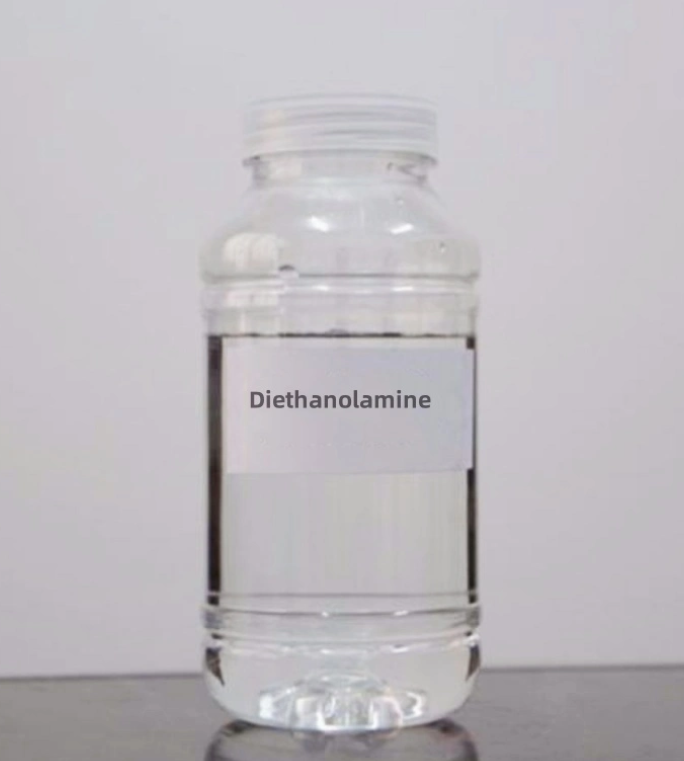
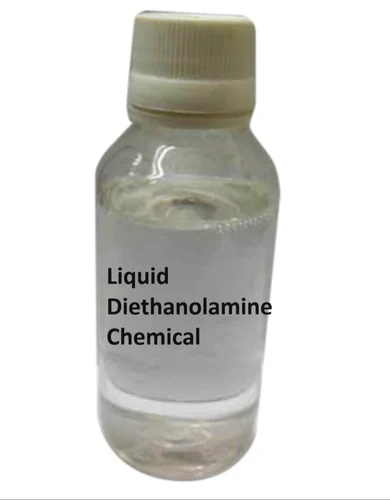
- Appearance: colorless to pale liquid (often viscous)
- Solubility: miscible with water
- Odor: typically ammonia-like
- Stability: generally stable under normal handling conditions, but can react under nitrosating conditions
Safety and health considerations
- Irritation: can cause skin and eye irritation; prolonged exposure may be harmful.
- Nitrosamine formation risk: diethanolamine can form N-nitrosodiethanolamine (NDELA) under certain nitrosating conditions. N-nitrosamines are of regulatory and health concern because some are considered carcinogenic in humans. Because of this, some cosmetics and personal care products aim to minimize or avoid DEA or monitor for nitrosamine formation.
- Environmental impact: can be harmful to aquatic life with long-lasting effects if released inappropriately. Follow local regulations for disposal.
- Regulatory considerations: many regulators encourage limiting nitrosamine formation in products containing DEA and may restrict the presence of nitrosamines in cosmetics and related products. Always consult current local guidelines and the Safety Data Sheet (SDS) for specific hazards and limits.
Handling and storage
- Personal protection: use appropriate PPE such as gloves (nitrile or equivalent), goggles, and lab coat or apron.
- Ventilation: work in a well-ventilated area or with local exhaust to avoid inhalation of vapors.
- Storage: store in a cool, dry, well-ventilated place away from oxidizers and incompatible materials; keep containers tightly closed when not in use.
- Spills and disposal: contain spills and collect for proper disposal following local regulations. Do not flush to drains without guidance from environmental health and safety protocols.
Regulation and consumer safety notes
- In cosmetics and personal care products, regulators often focus on the potential for nitrosamine formation. Some jurisdictions require manufacturers to minimize or eliminate nitrosatable amines like DEA in formulations, or to monitor for NDELA in end products.
- Always check the latest regulatory guidance for your region (for example, EU cosmetic regulations, FDA guidelines, and local environmental health and safety rules) and refer to the product’s SDS and supplier data sheets for precise handling, exposure limits, and safety information.
Alternatives and considerations
- If nitrosamine formation is a concern, formulators may:
- Use alternative buffering agents or amines that do not present similar nitrosation risks.
- Implement processing controls to minimize nitrosation potential (pH control, avoiding nitrosating conditions, using stabilizers).
- Replace DEA with related compounds like monoethanolamine (MEA) or triethanolamine (TEA) only if the formulation requirements allow, noting that each has its own properties and safety considerations.
Quick takeaway
- Diethanolamine is a versatile compound used in cosmetics and industry, but it requires careful handling due to irritation potential and concerns about nitrosamine formation. Always follow current regulatory guidance, use proper protective equipment, and consult the SDS for detailed safety and handling instructions.
If you’d like, I can tailor this to a specific use (for example, cosmetic formulation or industrial processing) and pull out the most relevant safety and regulatory notes for your region.


Reviews
There are no reviews yet.