
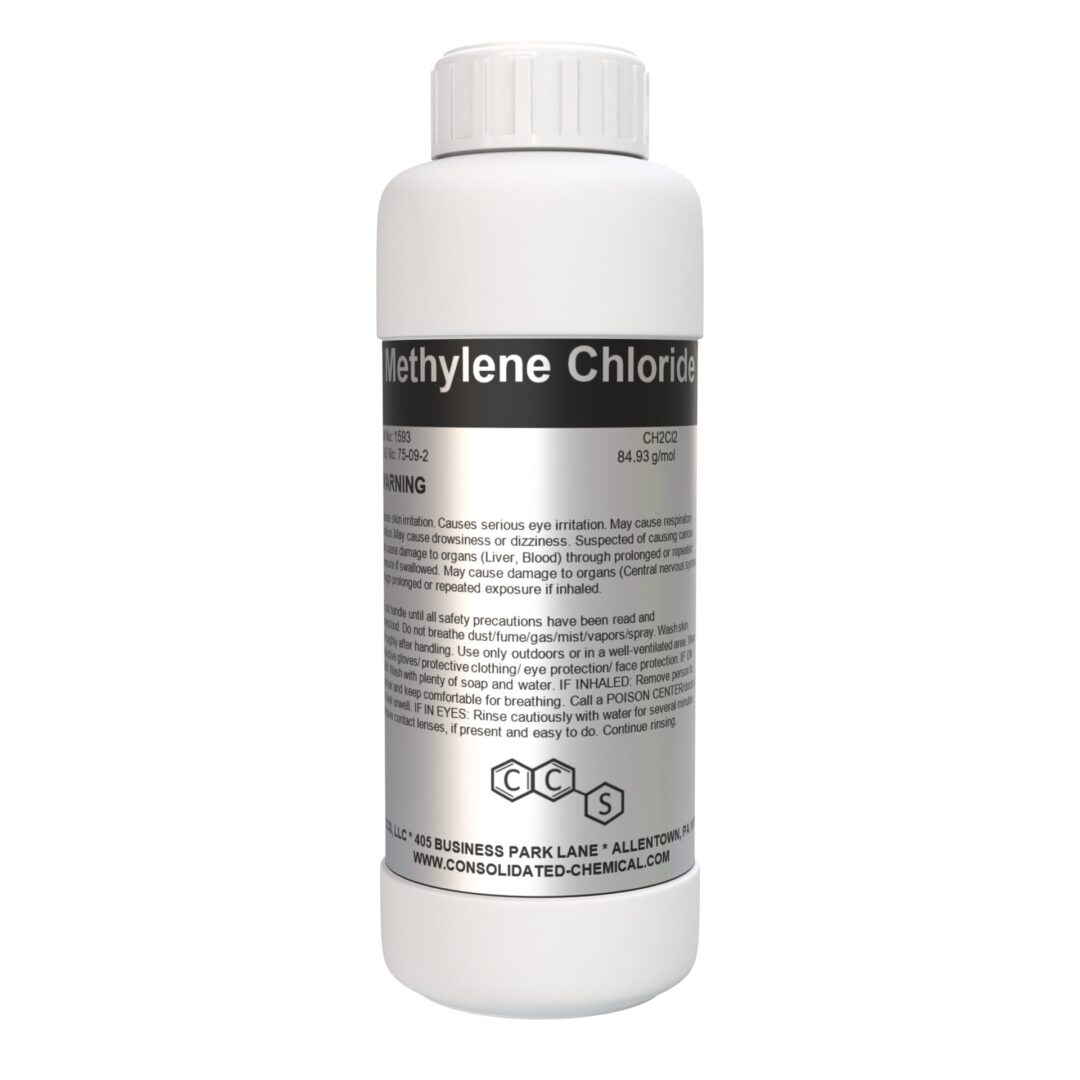
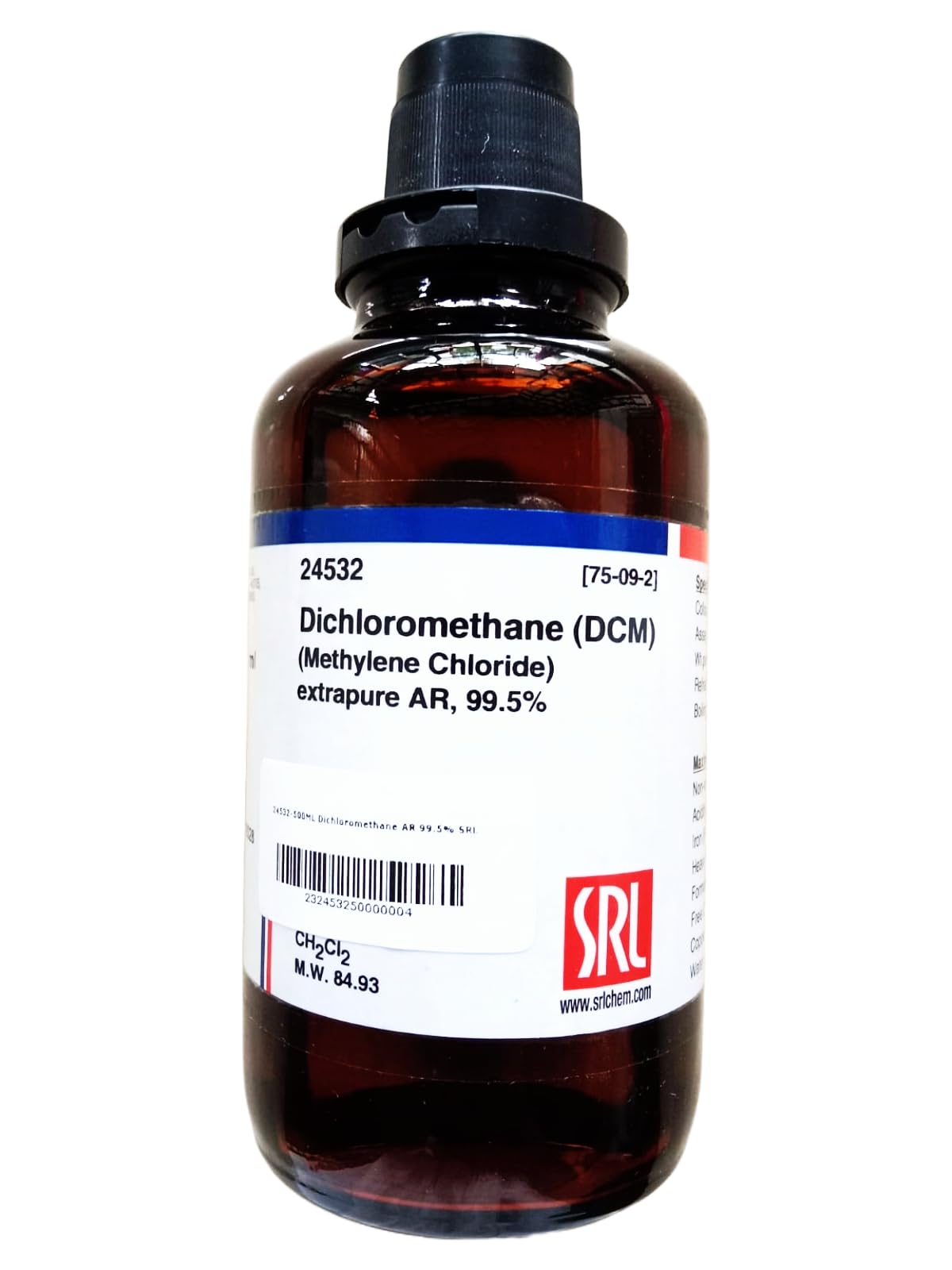
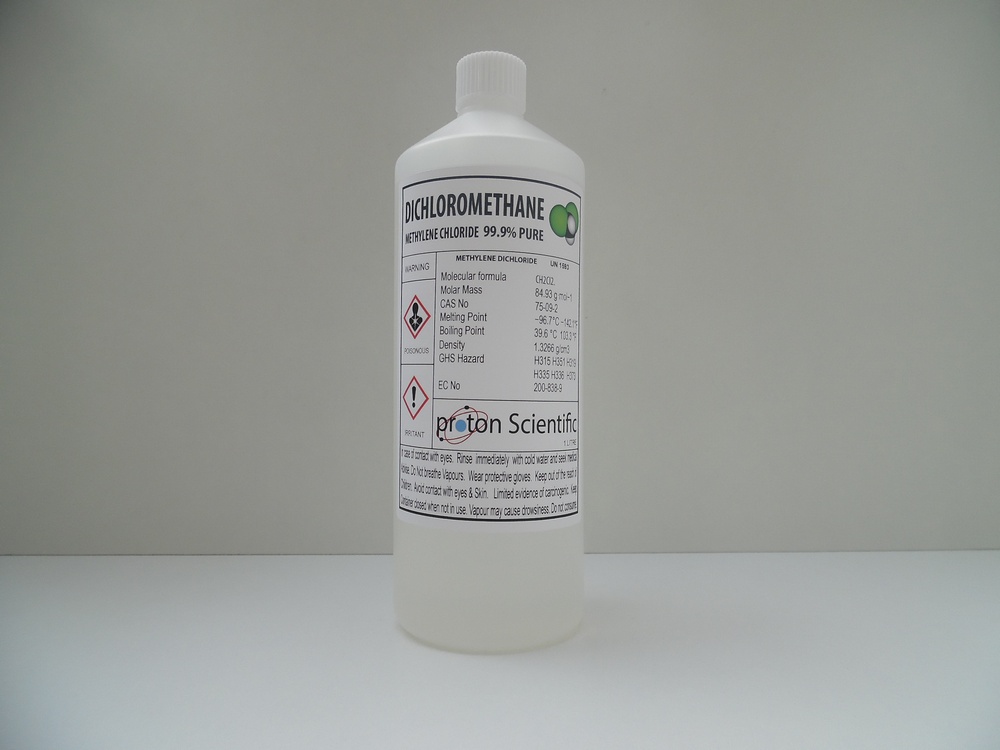
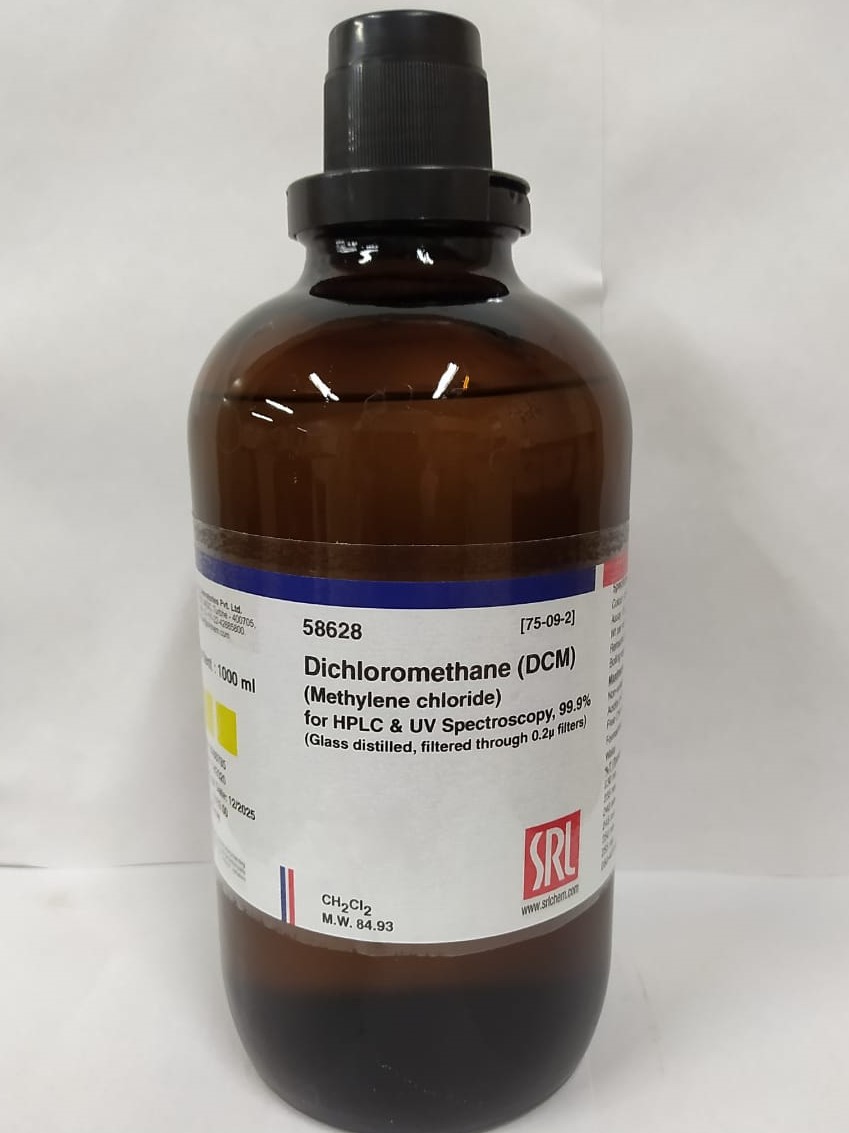
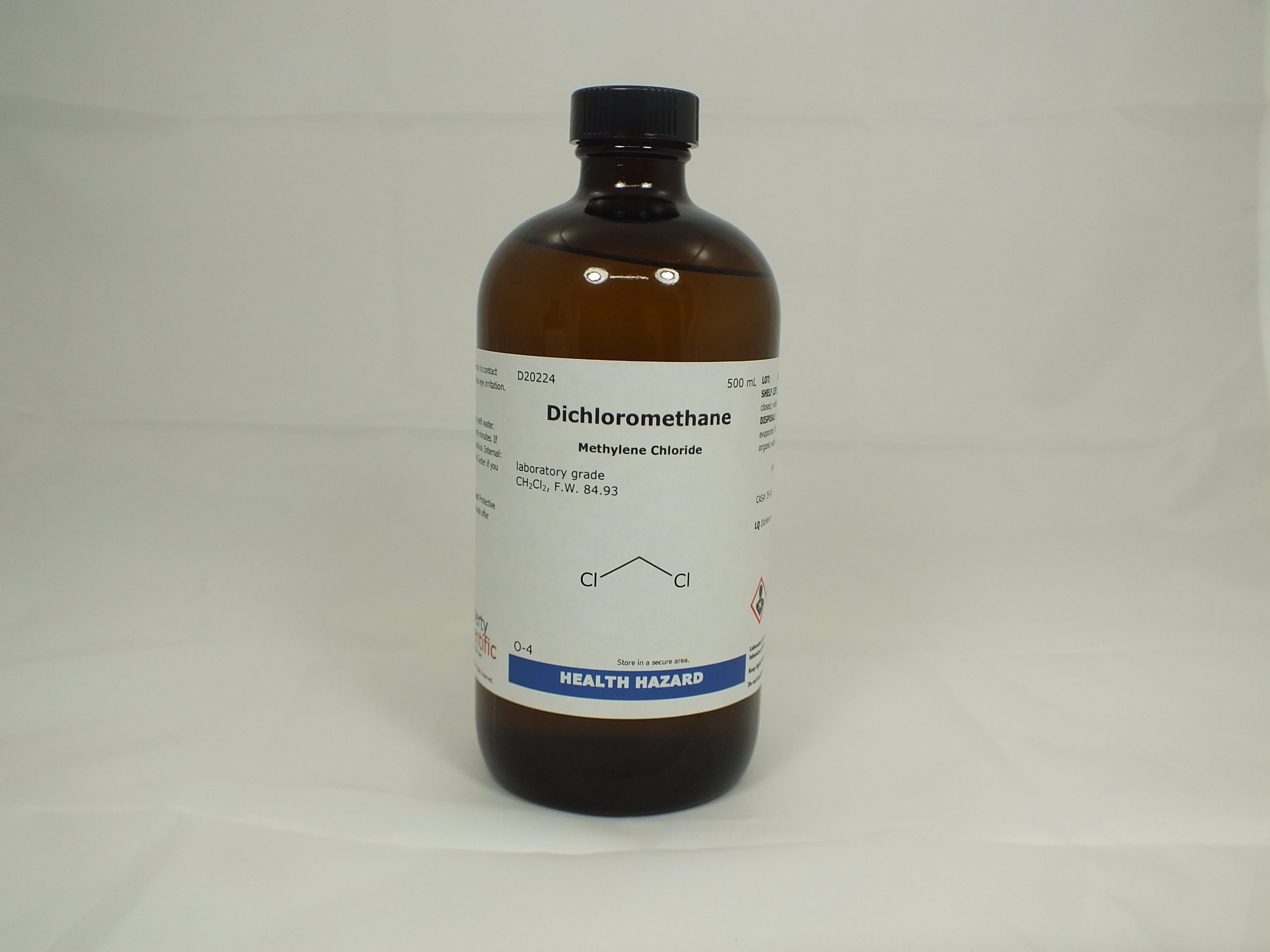
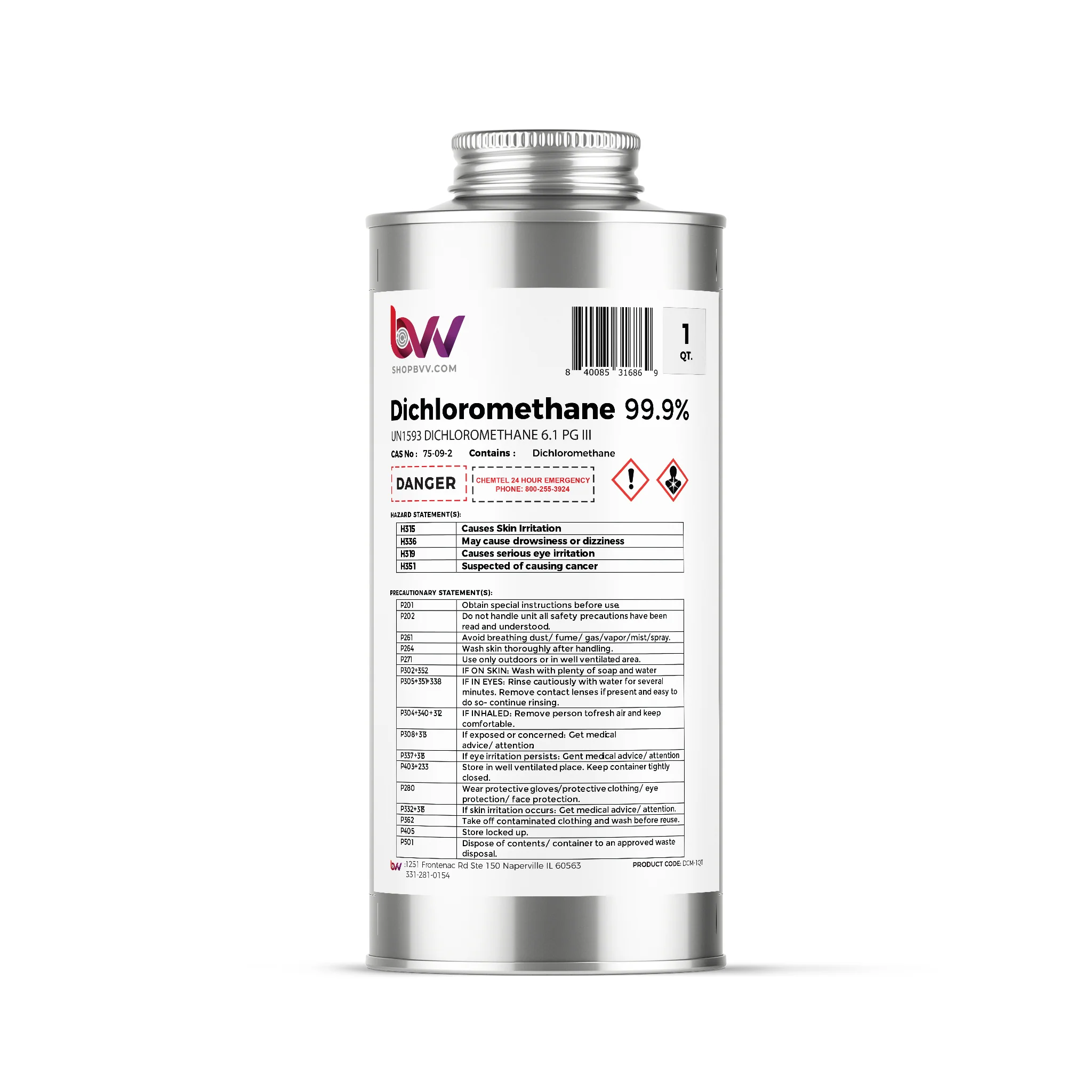
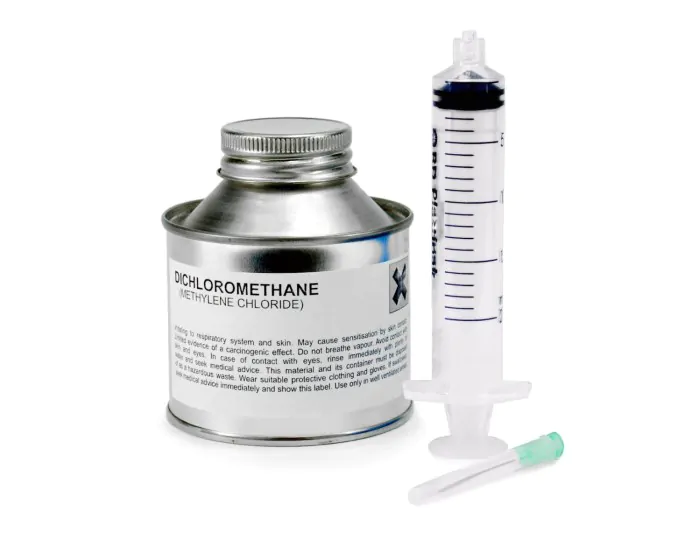
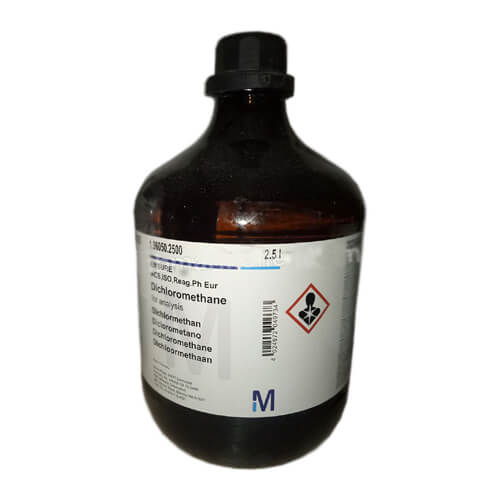
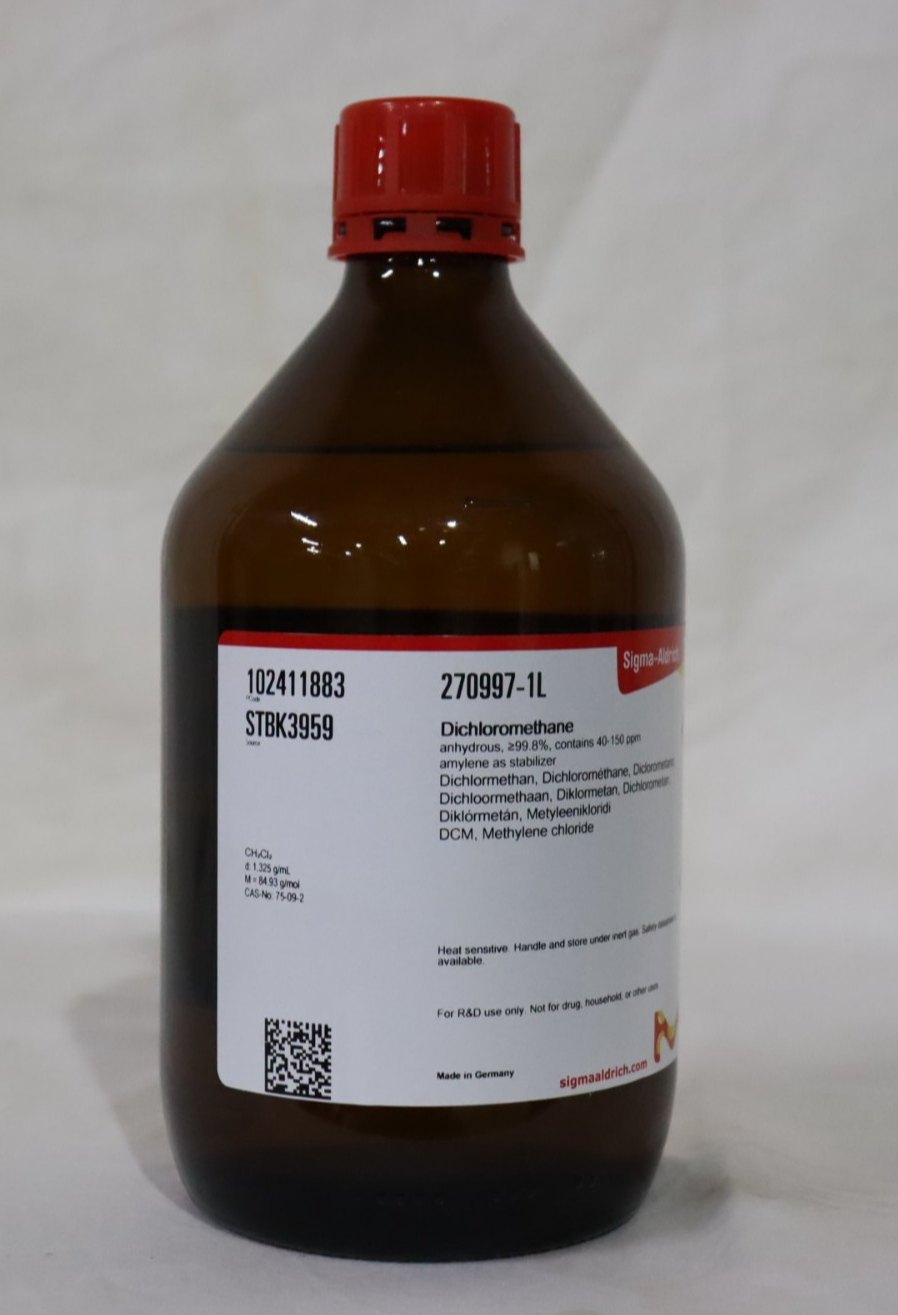
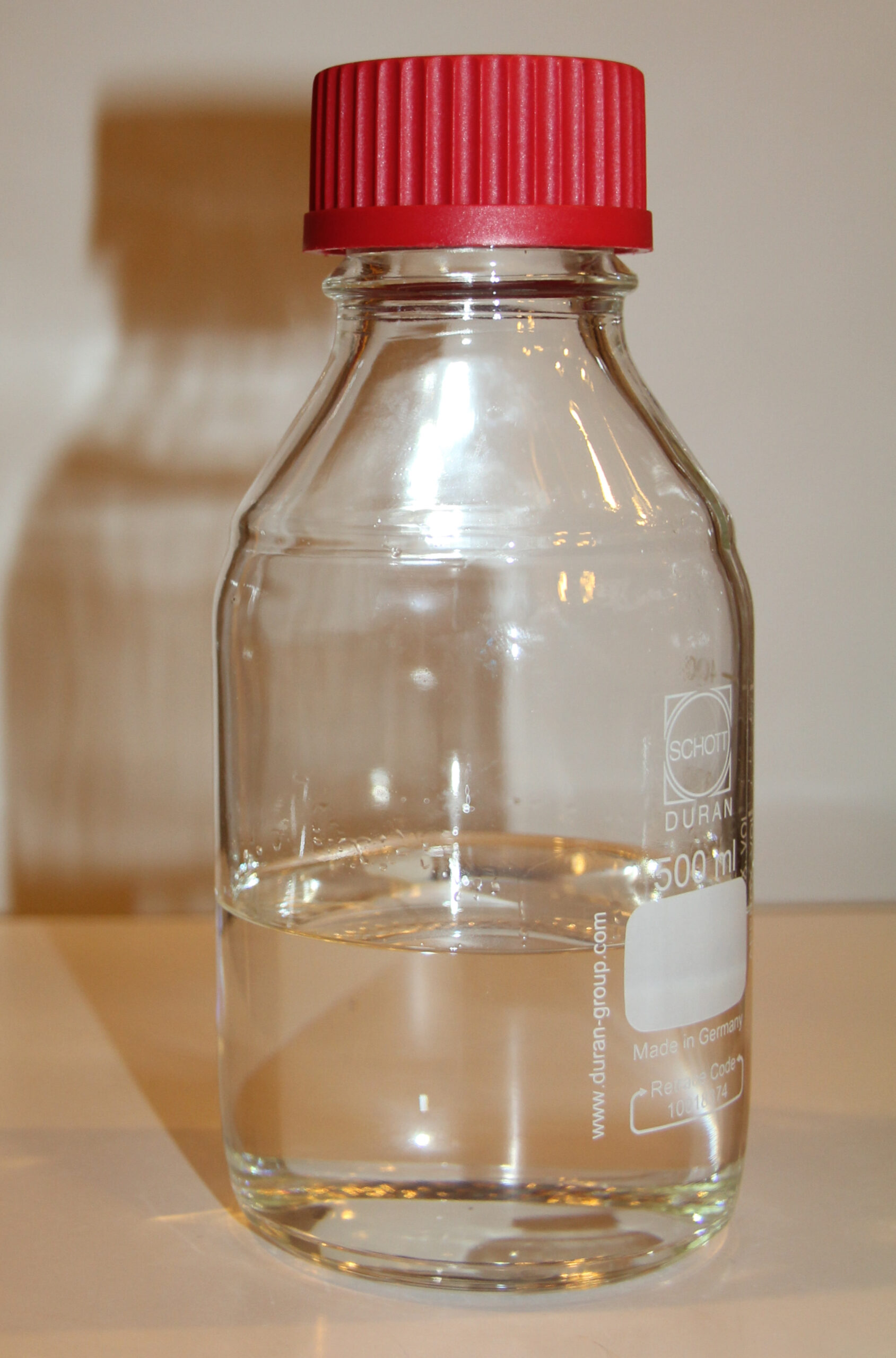
Description
Dichloromethane: The Versatile Solvent with a Complex Story
Dichloromethane (DCM), also known as methylene chloride, is a clear, colorless liquid with a moderately sweet odor. Its versatility as a solvent has made it an indispensable component in numerous industrial and commercial applications. However, concerns about its potential health hazards have led to increasing scrutiny and the exploration of safer alternatives.
A Powerful Solvent with Wide-Ranging Applications:
DCM’s remarkable ability to dissolve a diverse range of organic compounds makes it a highly sought-after solvent. Some of its key applications include:
- Paint Stripping: DCM excels at removing paint and coatings from various surfaces, making it a staple in the paint stripping industry.
- Pharmaceutical Manufacturing: It serves as a key solvent in the production of various pharmaceuticals, ensuring the efficient extraction and purification of active ingredients.
- Foam Production: DCM is used as a blowing agent in the manufacture of flexible polyurethane foams, commonly found in mattresses and furniture.
- Metal Cleaning and Degreasing: Its ability to dissolve oils and greases makes it effective in cleaning metal parts and equipment in various industries.
- Chemical Synthesis: DCM acts as a crucial reaction medium in numerous chemical processes, facilitating the synthesis of a wide array of chemical products.
- Laboratory Use: It is a common extraction solvent, offering its utility across labs in extracting desired components.
Health and Safety Concerns:
Despite its widespread use, DCM poses several health risks that necessitate stringent safety measures.
- Inhalation Hazards: Exposure to high concentrations of DCM vapors can lead to dizziness, nausea, headaches, and even loss of consciousness. Prolonged exposure could potentially cause liver and kidney damage.
- Skin and Eye Irritation: Direct contact with liquid DCM can cause skin and eye irritation, leading to redness, discomfort, and potential burns.
- Potential Carcinogen: DCM has been classified as a possible human carcinogen, raising concerns about long-term health effects from repeated exposure.
Regulations and Safety Measures:
Recognizing the potential hazards associated with DCM, regulatory bodies have implemented measures to minimize risks.
- Exposure Limits: Occupational Safety and Health Administration (OSHA) and other regulatory bodies have established permissible exposure limits (PELs) for DCM in the workplace to protect workers from excessive exposure.
- Engineering Controls: Implementing adequate ventilation systems, using closed-loop systems, and wearing appropriate personal protective equipment (PPE), such as respirators and gloves, are crucial to minimize worker exposure.
- Safe Handling Practices: Proper storage, handling, and disposal procedures are essential to prevent accidental spills, leaks, and environmental contamination.
The Search for Alternatives:
Given the health concerns associated with DCM, researchers and industries are actively exploring safer alternatives that can provide similar performance without the associated risks. These alternatives include:
- N-Methylpyrrolidone (NMP): A polar aprotic solvent with a wide range of applications in paint stripping, cleaning, and chemical processing.
- Dimethyl Carbonate (DMC): A low-toxicity solvent with excellent solvency properties, used in various applications, including paint removers and coatings.
- Bio-Based Solvents: Solvents derived from renewable resources, such as terpenes and esters, are gaining traction as eco-friendly alternatives.
The Future of Dichloromethane:
While DCM remains a valuable solvent in many industries, its future hinges on the continued development and adoption of safer alternatives. As regulations become more stringent and awareness of health risks increases, the demand for DCM is expected to gradually decline. However, in certain applications where no suitable alternative exists, DCM will likely continue to be used under strict safety protocols.
Conclusion:
Dichloromethane is a powerful and versatile solvent with a broad range of industrial and commercial applications. However, its potential health hazards necessitate careful handling, stringent safety measures, and ongoing research into safer alternatives. As industries strive for greater sustainability and worker safety, the future of DCM will likely be influenced by the availability and adoption of these alternative solvents.


Reviews
There are no reviews yet.