Dextrose

£6.99

The Benefits of Dextrose: A Sweet Solution for Energy

Are you looking for a natural way to boost your energy levels? Look no further than dextrose! In this article, we will explore the many benefits of dextrose, a simple sugar that can provide a quick and efficient source of energy for your body.

What is Dextrose?

Dextrose, also known as glucose, is a type of sugar that is derived from corn. It is chemically identical to glucose, which is the primary source of energy for the body. Dextrose is quickly absorbed into the bloodstream and can provide a rapid source of energy for the body’s cells.

The Role of Dextrose in Energy Production

When you consume dextrose, it is rapidly broken down into glucose in the body. Glucose is then used by the cells as a source of energy to fuel various bodily functions. Dextrose is particularly beneficial for athletes and individuals who engage in strenuous physical activity, as it can help replenish glycogen stores and provide a quick source of energy.

The Benefits of Dextrose

1. Quick Source of Energy

Dextrose is quickly absorbed into the bloodstream, making it a fast and efficient source of energy for the body. Whether you need a quick pick-me-up during a workout or a boost of energy to get through the day, dextrose can help provide the energy you need.

2. Replenishes Glycogen Stores

After a workout, your body’s glycogen stores can become depleted. Consuming dextrose can help replenish these stores quickly, allowing for faster recovery and improved performance during your next workout.

3. Enhances Recovery

In addition to replenishing glycogen stores, dextrose can also help enhance recovery after intense exercise. By providing a quick source of energy to tired muscles, dextrose can help reduce muscle soreness and speed up the recovery process.

4. Supports Hydration

Dextrose is often used in sports drinks to help replenish electrolytes and support hydration. When combined with water, dextrose can help maintain proper fluid balance in the body and prevent dehydration during exercise.

How to Incorporate Dextrose Into Your Diet

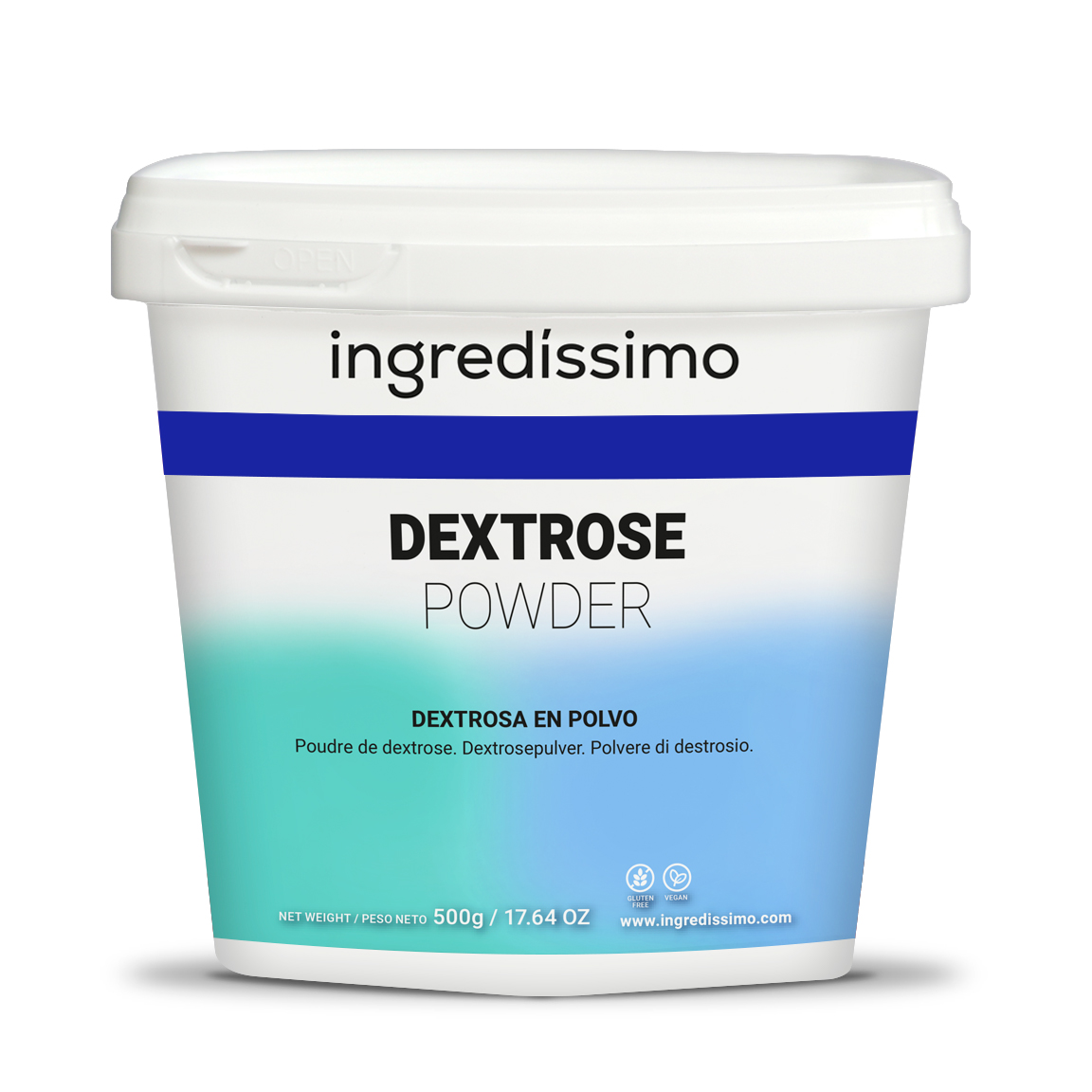
There are several ways to incorporate dextrose into your diet. You can add dextrose powder to your post-workout shake, mix it with water for a quick energy boost, or even use it to sweeten your favorite recipes. Just be mindful of your overall sugar intake and remember to consume dextrose in moderation.
In conclusion, dextrose is a versatile and convenient source of energy that can benefit athletes, fitness enthusiasts, and anyone looking for a quick pick-me-up. Whether you need a boost during a workout or a way to enhance recovery, dextrose can provide the energy your body needs to perform at its best. So why not give dextrose a try and experience the benefits for yourself?

Category:

Description

Dextrose: The Simple Sugar with Complex Uses

Dextrose, often referred to as glucose, is a simple sugar (monosaccharide) that plays a crucial role in providing energy for our bodies and also serves as a versatile ingredient in various industries. It’s naturally found in fruits, honey, and corn, and commercially produced primarily from cornstarch. Understanding what dextrose is and how it’s used can shed light on its importance in both health and industry.

What Exactly is Dextrose?

Chemically, dextrose is the same as glucose, the primary sugar used by the body for energy. It belongs to the carbohydrate family and is readily absorbed into the bloodstream. The term “dextrose” comes from the fact that it rotates polarized light to the right (dextrorotatory).

The Body’s Preferred Fuel Source:

Dextrose is a readily available source of energy for the body. When we consume carbohydrates, they are broken down into glucose, which is then transported to cells to fuel their activities. This makes dextrose particularly useful in situations where a quick energy boost is needed.

Uses in the Medical Field:

Dextrose plays a significant role in medicine, serving several crucial functions:

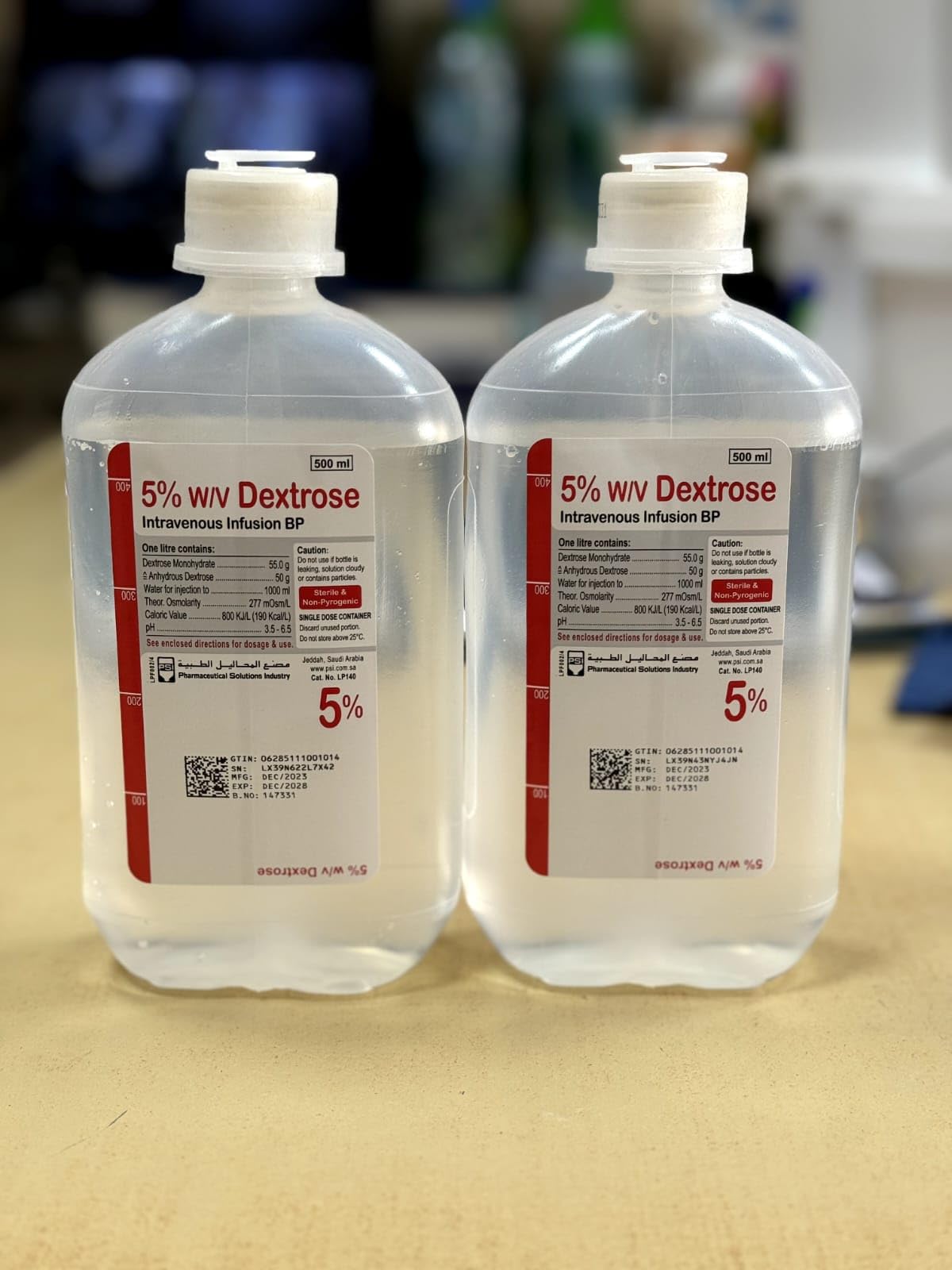
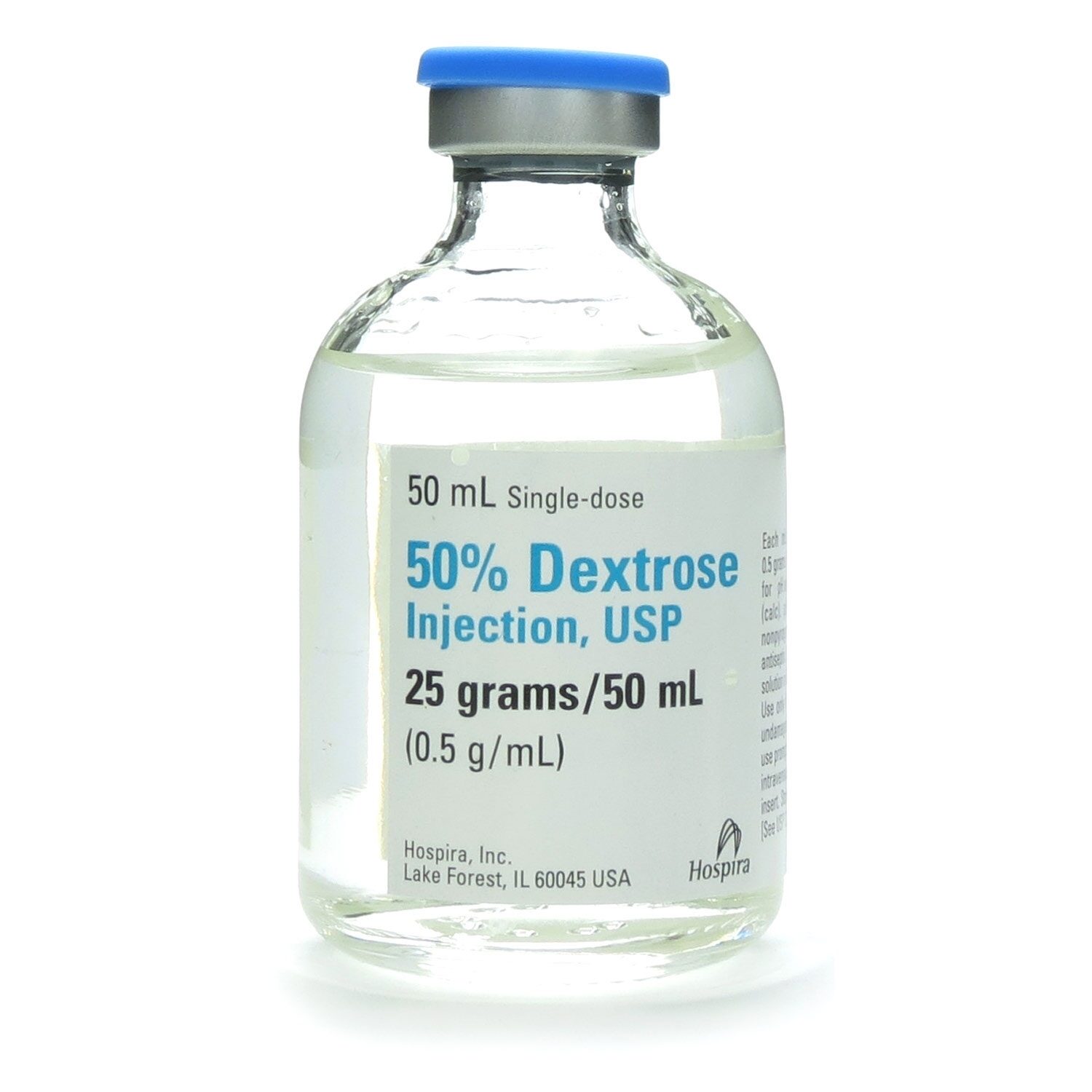
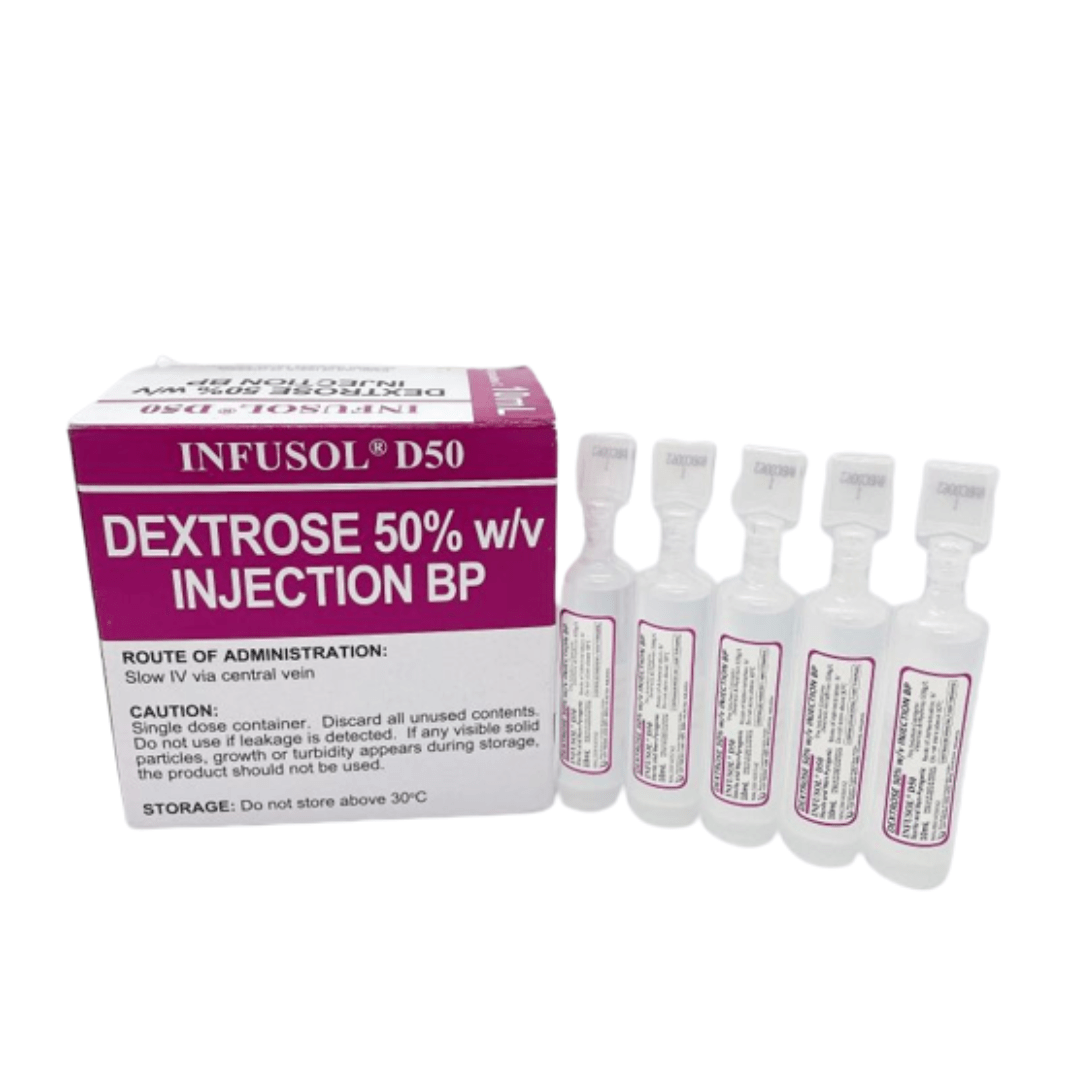
  • Intravenous (IV) Fluids: Dextrose solutions are commonly used in IV fluids to provide hydration and calories to patients who are unable to eat or drink. They are also used to treat hypoglycemia (low blood sugar).
  • Oral Glucose Tolerance Test (OGTT): Administering a controlled dose of dextrose is a key component of the OGTT, used to diagnose diabetes and gestational diabetes. The test measures how quickly the body clears glucose from the bloodstream.
  • Medication Carrier: Dextrose can be used as a carrier for certain medications, helping to deliver them effectively into the bloodstream.
  • Treatment of Hyperkalemia: In some instances, dextrose, along with insulin, is used to treat hyperkalemia (high potassium levels in the blood) by driving potassium into cells.

Applications in the Food Industry:

Dextrose is widely used in the food industry as:

  • Sweetener: While less sweet than sucrose (table sugar), dextrose contributes to sweetness in various food products, including candies, baked goods, and beverages.
  • Bulking Agent: It adds volume and texture to food products, particularly in confectionery and processed foods.
  • Fermentation Substrate: Dextrose is readily fermented by yeast and bacteria, making it valuable in the production of beer, wine, and other fermented foods.
  • Browning Agent: It participates in the Maillard reaction, contributing to the browning and flavor development of baked goods and other cooked foods.
  • Preservative: In certain applications, dextrose can help inhibit microbial growth and extend shelf life.

Other Industrial Uses:

Beyond the medical and food sectors, dextrose finds applications in:

  • Textile Industry: Used in the production of rayon and other synthetic fibers.
  • Pharmaceutical Industry: Serves as an excipient (inactive ingredient) in some medications.
  • Biotechnology: Used as a nutrient source for growing microorganisms in research and industrial settings.

Considerations:

While dextrose offers various benefits, it’s essential to be mindful of its potential drawbacks:

  • Rapid Blood Sugar Spike: Like other simple sugars, dextrose can cause a rapid increase in blood sugar levels. This can be problematic for individuals with diabetes or insulin resistance.
  • Dental Health: Dextrose, like other sugars, can contribute to tooth decay.
  • Caloric Intake: It’s important to be aware of the caloric content of products containing dextrose, especially for those managing their weight.

Conclusion:

Dextrose is a simple sugar with a wide range of applications, from providing energy for the body to serving as a crucial ingredient in various industries. Understanding its properties and uses can help us appreciate its importance in both health and industry. While it offers numerous benefits, it’s important to consume dextrose in moderation and be mindful of its potential effects on blood sugar levels and overall health.

Reviews

There are no reviews yet.

Be the first to review “Dextrose”

Your email address will not be published. Required fields are marked *

Add to cart