
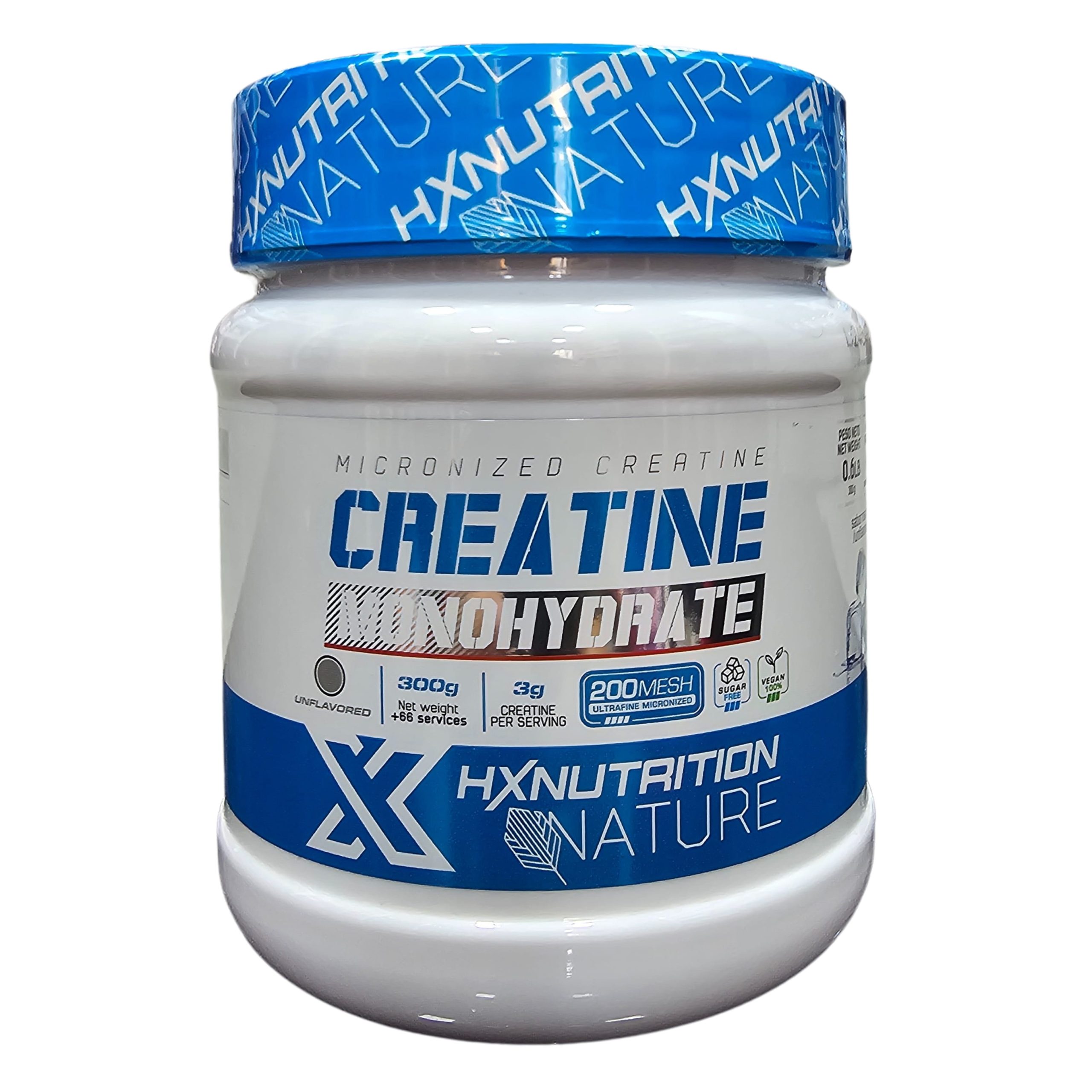
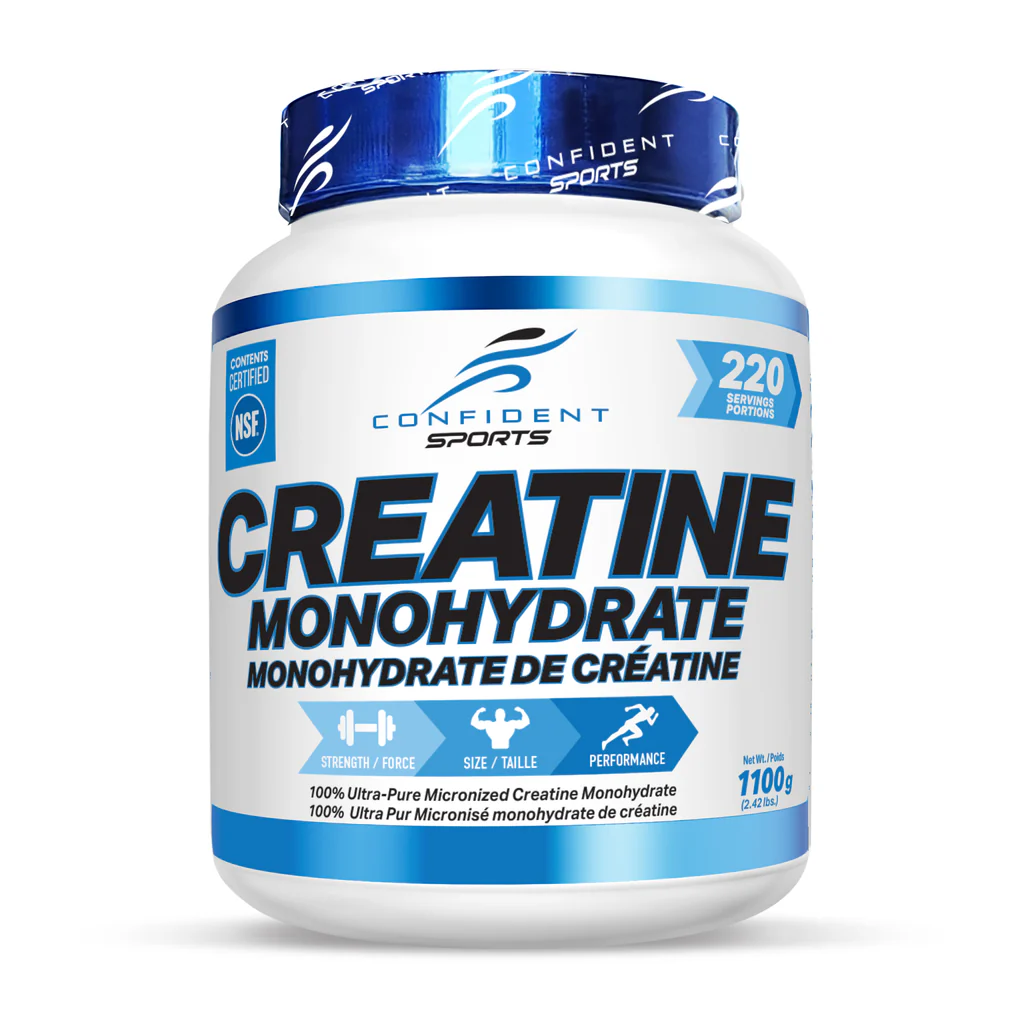
Description
Creatine Monohydrate: Unlocking Power and Performance
Creatine monohydrate is one of the most researched and widely used supplements in the world, and for good reason. It offers a wealth of benefits for athletes, fitness enthusiasts, and even those simply looking to improve their overall health and well-being. Let’s delve into what creatine monohydrate is, how it works, and why it deserves a place in your supplement arsenal.
What is Creatine Monohydrate?
Creatine is a naturally occurring compound found in small amounts in certain foods like red meat and seafood, and it’s also synthesized in the body from amino acids. Creatine monohydrate is simply creatine bonded to a water molecule, making it a readily available and easily absorbed supplement.
How Does Creatine Work?
Creatine’s primary role is to fuel short bursts of high-intensity activity. It works by increasing the availability of adenosine triphosphate (ATP), the primary energy currency of the cell. During intense exercise, ATP is rapidly depleted. Creatine helps regenerate ATP, allowing you to perform more reps, sprint faster, and push harder. In simpler terms, it gives you that extra “oomph” when you need it most.
The Science-Backed Benefits of Creatine Monohydrate:
The benefits of creatine monohydrate are well-documented and supported by extensive scientific research. Here are some key advantages:
- Increased Muscle Strength and Power: This is perhaps the most well-known benefit. Creatine supplementation consistently leads to significant gains in strength and power output, making it a favorite among weightlifters and athletes.
- Enhanced Muscle Mass: By improving performance and allowing you to train harder, creatine indirectly contributes to muscle growth over time. It also promotes cell hydration, leading to a fuller, more volumized appearance of muscles.
- Improved Exercise Performance: Creatine can enhance performance in various high-intensity activities, including sprinting, jumping, and weightlifting.
- Faster Muscle Recovery: Creatine may reduce muscle damage and inflammation after intense exercise, leading to faster recovery times.
- Cognitive Benefits: Emerging research suggests that creatine may also have cognitive benefits, particularly in areas like memory and focus, especially during periods of mental stress or sleep deprivation.
- Potential Therapeutic Applications: Studies are exploring the potential of creatine in managing various conditions like muscular dystrophy, Parkinson’s disease, and neurodegenerative disorders. However, more research is needed in these areas.
How to Take Creatine Monohydrate:
There are two common approaches to creatine supplementation:
- Loading Phase: This involves taking a higher dose (typically 20 grams per day, divided into 4 servings) for 5-7 days to quickly saturate muscle creatine stores.
- Maintenance Phase: After the loading phase, you transition to a lower dose (typically 3-5 grams per day) to maintain elevated creatine levels.
- Maintenance Only: Skip the loading phase and simply take 3-5 grams of creatine per day. This method takes longer to saturate muscle stores, but it’s equally effective in the long run and avoids any potential digestive discomfort some people experience with the loading phase.
Creatine monohydrate is best absorbed when taken with a carbohydrate source, such as fruit juice or a post-workout shake. Consistency is key! Taking creatine daily, even on rest days, will ensure your muscles stay saturated.
Is Creatine Safe?
Creatine monohydrate is one of the safest supplements available, with decades of research supporting its safety profile. Common concerns surrounding creatine, such as kidney damage or dehydration, have been largely debunked in scientific studies.
However, as with any supplement, it’s important to stay hydrated when taking creatine. Some individuals may experience mild gastrointestinal discomfort, such as bloating or stomach cramps, particularly during the loading phase. If this occurs, consider reducing the dosage or switching to the maintenance-only approach.
Who Can Benefit from Creatine?
Creatine monohydrate can benefit a wide range of individuals, including:
- Athletes: Powerlifters, weightlifters, sprinters, and other athletes involved in high-intensity activities.
- Fitness Enthusiasts: Individuals looking to improve their strength, muscle mass, and overall performance in the gym.
- Vegetarians and Vegans: Creatine levels tend to be lower in vegetarians and vegans, making supplementation particularly beneficial for these populations.
- Older Adults: Creatine can help maintain muscle mass and strength as we age, promoting mobility and independence.
Conclusion:
Creatine monohydrate is a highly effective and safe supplement that can provide a wide range of benefits, from increased strength and power to improved cognitive function. Whether you’re an athlete striving for peak performance or simply looking to enhance your fitness journey, creatine monohydrate is a valuable tool to consider. Always consult with your doctor or a qualified healthcare professional before starting any new supplement regimen.



Reviews
There are no reviews yet.