

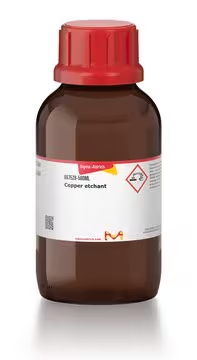



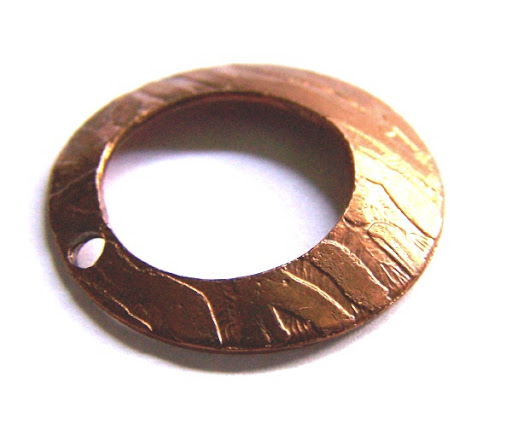
Description
1. Product Overview
Copper Etching Residue is an industrial by-product generated during the chemical etching process used in printed circuit board (PCB) manufacturing and metal surface processing. Rich in copper compounds and associated salts, it serves as a valuable secondary raw material for copper recovery, chemical manufacturing, and metallurgical processing. The material provides a cost-effective feedstock for smelters and recycling facilities seeking alternative copper sources with strong recovery potential. With increasing global demand for sustainable metal sourcing and circular resource management, copper etching residue has become strategically important in the metal recycling and industrial chemicals supply chain.
2. Key Specifications & Technical Characteristics
- Chemical Composition: Primarily copper salts (commonly copper chloride or copper sulfate) with residual etching agents and trace metals depending on process origin
- Copper Content: Typically 15–35% Cu (varies by etching process and recovery stage)
- Purity / Grade: Industrial-grade secondary copper-bearing material suitable for metallurgical recovery
- Physical Form: Semi-solid residue, slurry, or dried powder depending on processing method
- Color: Dark green, blue-green, or brownish depending on copper compound composition
- Particle Characteristics: Fine particulate material when dried; homogeneous slurry when wet
- Density: Typically 1.2–1.6 g/cm³ depending on moisture content
- Moisture Content: Variable depending on handling and drying stage
- Packaging Options: Sealed industrial drums, bulk bags (1 MT), or bulk container loading
- Shelf Life: Stable for long-term storage when kept in sealed containers under controlled conditions
3. Core Industrial Applications
Copper Etching Residue is widely utilized across metallurgical and chemical industries where copper-bearing secondary materials provide economic and environmental advantages.
- Copper Recovery & Metal Recycling: Processed by smelters and hydrometallurgical facilities to recover copper metal or refined copper salts.
- Chemical Manufacturing: Used as a feedstock for producing copper-based chemicals such as copper sulfate, copper chloride, and catalysts.
- Metallurgical Processing: Integrated into secondary metal recovery systems where copper concentration can be economically extracted.
- Electroplating & Surface Treatment Industries: Reprocessed into copper salts used in plating solutions and surface finishing chemicals.
Compared with primary copper ores, copper etching residue offers a higher copper concentration and requires less energy-intensive extraction, improving processing efficiency and lowering operational costs for metal recovery facilities.
4. Competitive Advantages
- Consistent Material Quality: Sourced from controlled industrial etching processes ensuring predictable copper content
- Reliable Supply Stream: Continuous generation from electronics and metal finishing industries supports steady availability
- Efficient Logistics: Available in bulk packaging formats optimized for international shipment and industrial handling
- Cost-Effective Copper Source: Provides an economical alternative to mined copper concentrates for secondary metal recovery
- Sustainability Impact: Supports circular metal recovery, reducing environmental impact associated with primary mining
- Technical Documentation: Material composition data and specifications available to support industrial procurement and processing
5. Commercial & Supply Information
- Minimum Order Quantity (MOQ): BULK 20 MT
- Loading Capacity: 20–25 MT per 20-ft container depending on packaging and moisture level



Reviews
There are no reviews yet.