


Description
1. Product Overview
Copper Catalyst is a high-performance catalytic material engineered for advanced chemical processing and industrial synthesis applications. It is widely utilized in processes such as hydrogenation, oxidation, and chemical reforming, delivering exceptional reaction efficiency and selectivity. The product’s high purity and optimized formulation ensure superior catalytic activity, making it a preferred choice for industries seeking reliable and cost-effective process enhancement. Strategically, Copper Catalyst enables manufacturers to increase throughput, reduce energy consumption, and maintain consistent product quality, reinforcing its position as a critical component in modern chemical production.
2. Key Specifications & Technical Characteristics
- Chemical Composition: Copper-based active component supported on a robust carrier matrix
- Purity/Grade: ≥99% active copper content
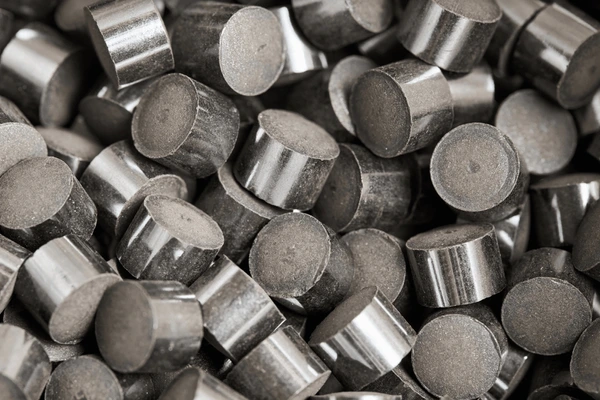
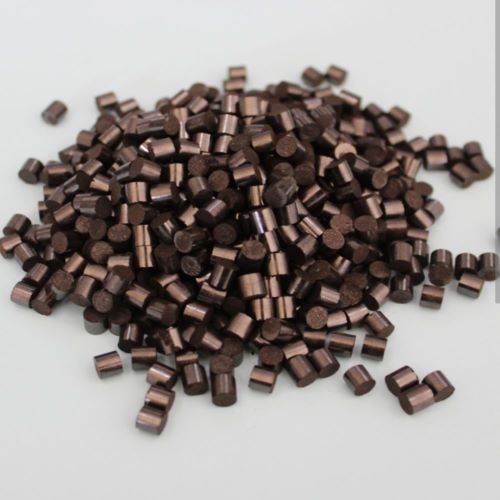
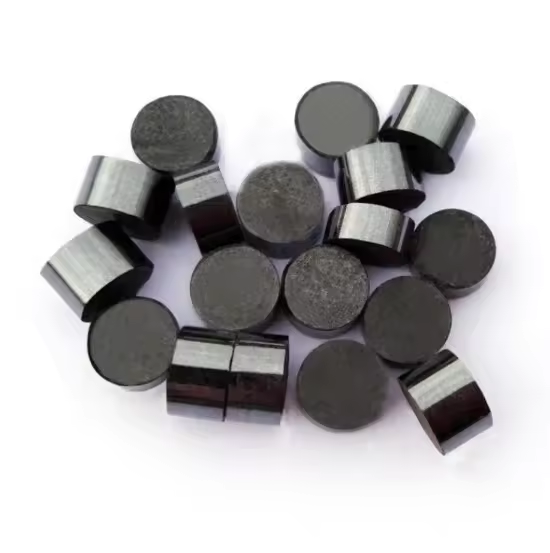
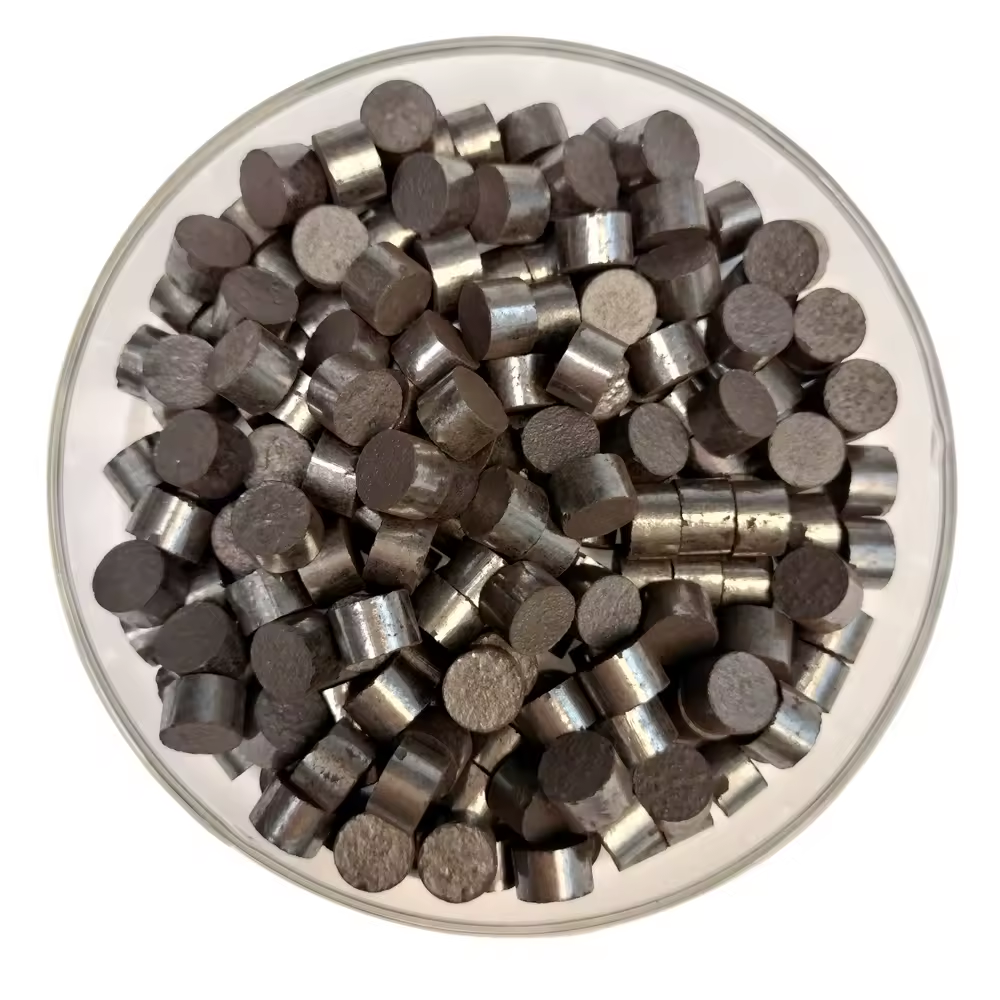
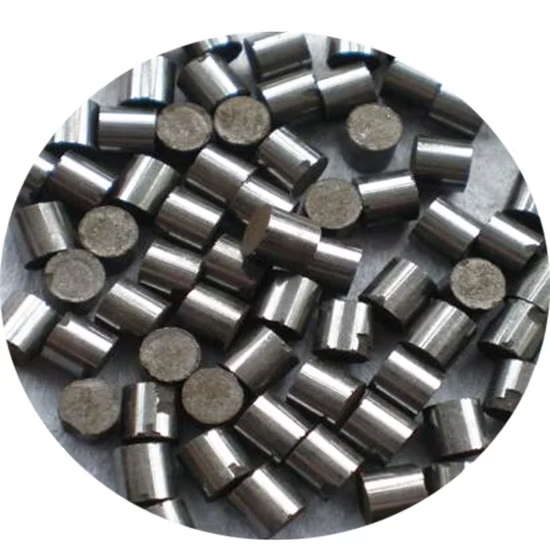
- Physical Form: Granular or pelletized form for optimal reactor performance
- Color: Metallic copper to dark brown, depending on processing
- Particle Size: 1–5 mm standard; custom sizing available on request
- Bulk Density: 0.8–1.2 g/cm³
- Packaging Options: Industrial-grade drums, bulk bags, or ISO containers
- Shelf Life: Stable under standard storage conditions for up to 24 months
3. Core Industrial Applications
- Primary Industries: Chemical manufacturing, petrochemical refining, pharmaceuticals, specialty chemicals
- Operational Use Cases:
- Hydrogenation of organic compounds
- Selective oxidation reactions
- Chemical synthesis in continuous or batch reactors
- Performance Advantages:
- High catalytic activity ensures faster reaction rates
- Superior thermal and chemical stability reduces downtime
- Low leaching and extended operational life minimize replacement frequency
4. Competitive Advantages
- Quality Consistency: Stringent manufacturing and quality control ensure uniform activity across batches
- Supply Reliability: Global distribution network capable of meeting large-scale industrial demand
- Logistics Capability: Flexible packaging and shipping solutions to suit multi-modal transport
- Price Competitiveness: Optimized production costs allow competitive pricing without compromising quality
- Sustainability Benefits: Environmentally optimized formulations minimize hazardous by-products
- Technical Support: Comprehensive documentation, application guidance, and troubleshooting assistance available
5. Commercial & Supply Information
- Minimum Order Quantity (MOQ): BULK 20 MT
- Loading Capacity: Up to 22 MT per standard 20-foot container
This Copper Catalyst listing positions the product as a strategic, high-value procurement option for industrial operators seeking both performance and reliability.

Reviews
There are no reviews yet.