
Description
1. Product Overview
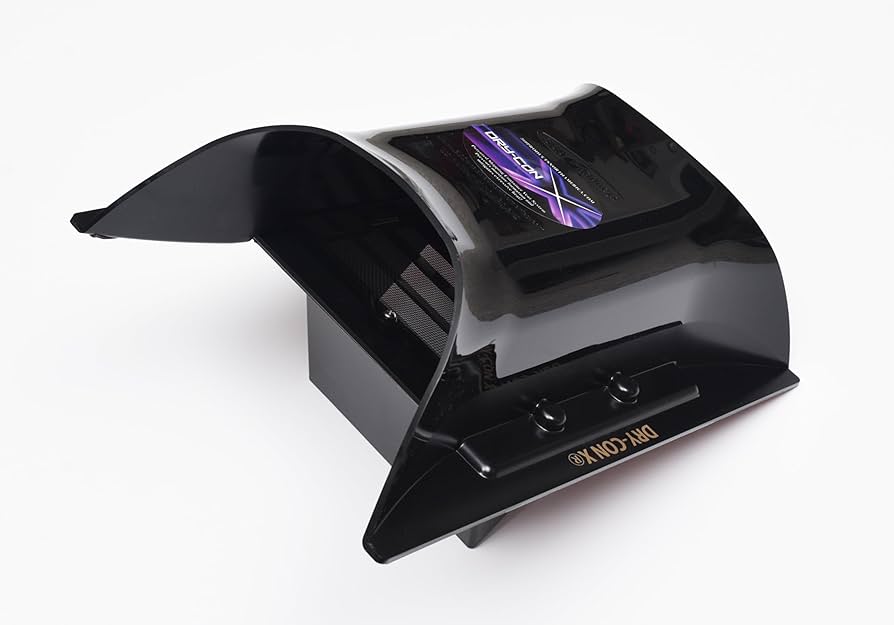
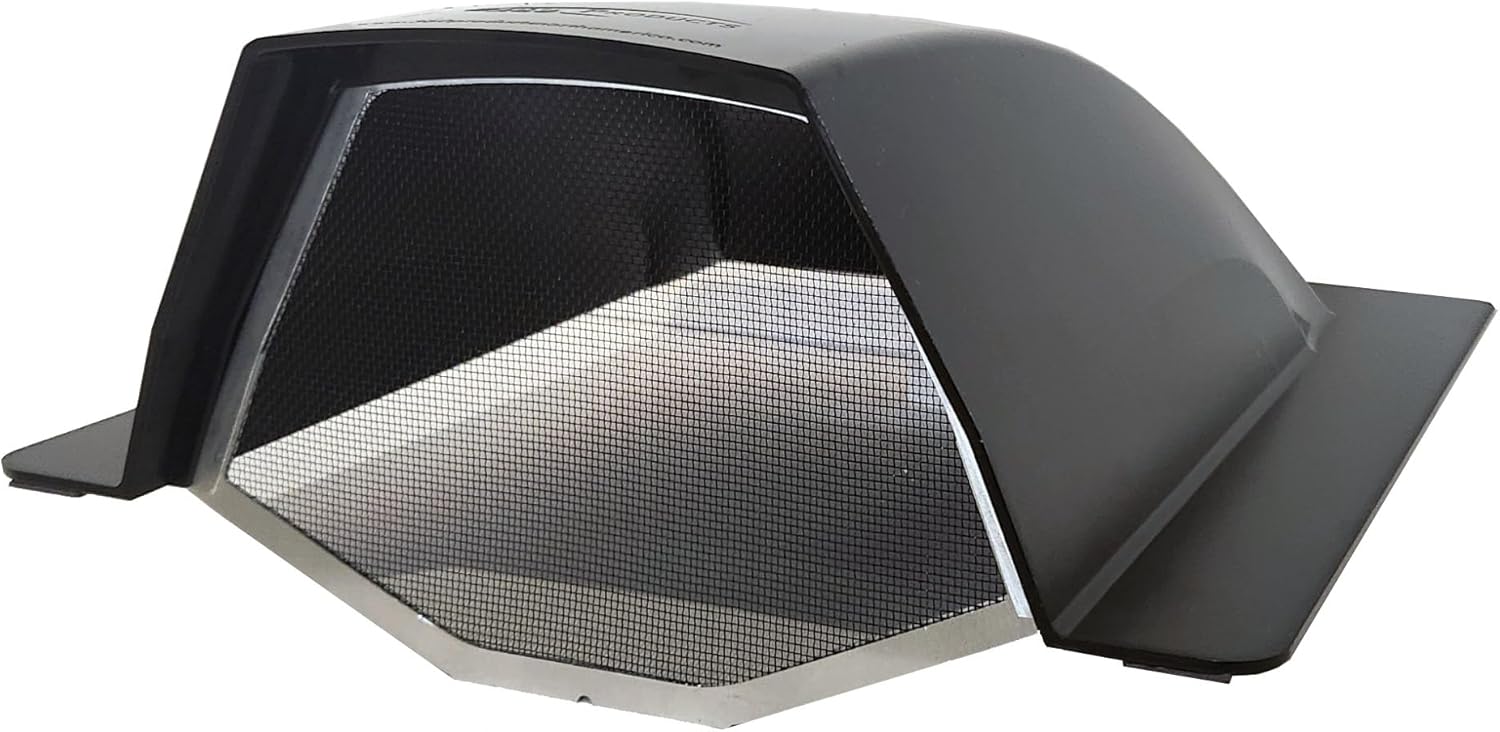
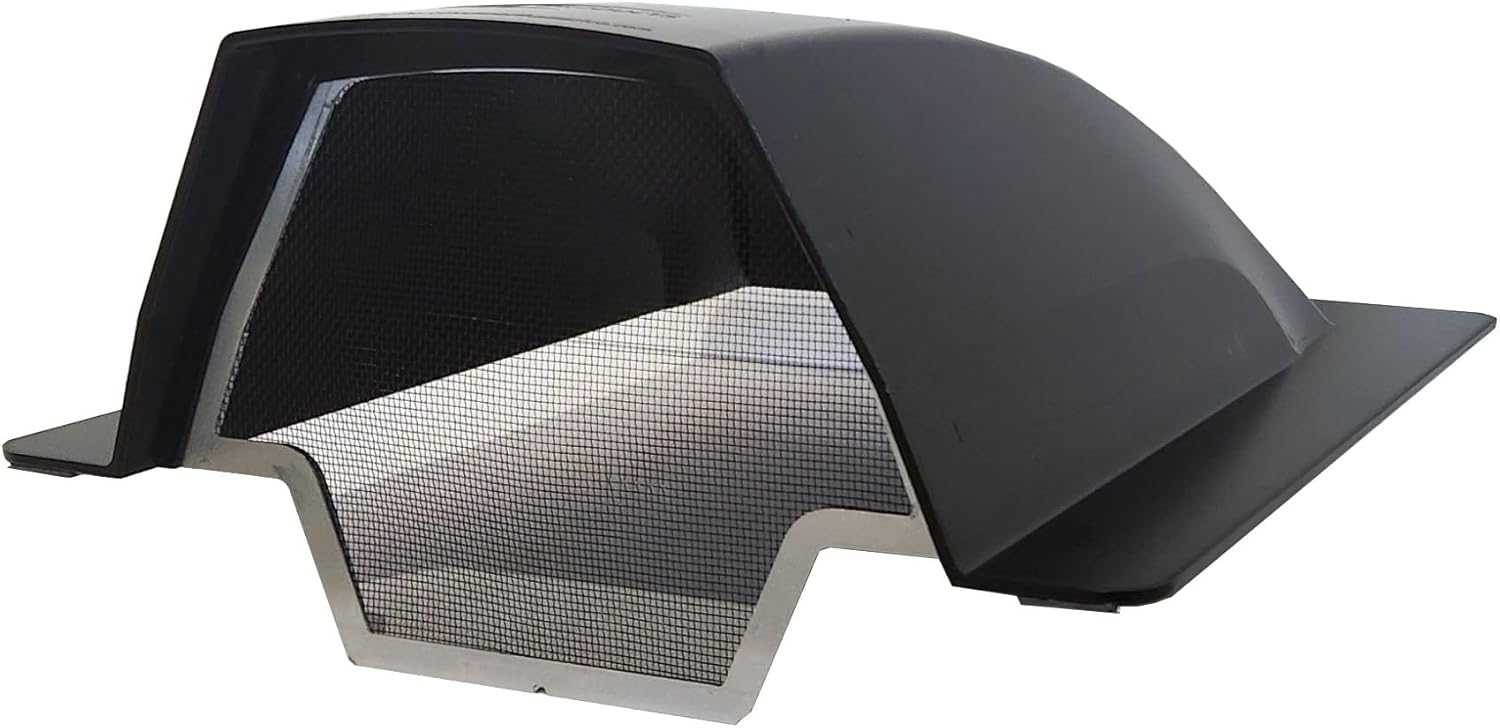
Container Ventilation Systems Passive — Moisture Control are specialized airflow devices engineered to regulate humidity and pressure within sealed shipping containers during transit and storage. These systems enable continuous passive air exchange while preventing external moisture ingress, significantly reducing condensation and cargo deterioration risks.
Designed for global logistics operations, they protect moisture-sensitive commodities such as agricultural goods, chemicals, textiles, and packaged industrial materials. Strategically, passive container ventilation systems improve cargo preservation, reduce insurance claims and spoilage losses, and enhance supply chain reliability across long-distance maritime and intermodal transport routes.
2. Key Specifications & Technical Characteristics
- Material Components:
- High-density polymer housing
- Moisture-resistant membrane or filter media
- Anti-condensation airflow channels
- Corrosion-resistant mounting components
- Grade / Classification:
- Industrial Logistics Grade
- Designed for maritime container transport environments
- Physical Characteristics:
- Form: Integrated vent module or insert
- Appearance: Compact, low-profile unit
- Color: Typically white, gray, or black
- Lightweight and impact-resistant construction
- Designed to allow airflow while blocking water intrusion
- Performance Characteristics:
- Passive airflow regulation
- Condensation mitigation capability
- Compatible with standard ISO shipping containers
- Packaging Options:
- Bulk cartons
- Palletized shipments for high-volume orders
- Container installation kits available
- Shelf Life:
- Long service life under normal logistics conditions
- Stable under temperature fluctuations during storage
3. Core Industrial Applications
Primary Industries
- Global shipping and logistics
- Agricultural commodity export
- Chemical and raw material transport
- Textile and packaged goods distribution
- Food ingredient and feed ingredient shipping
Operational Use Cases
- Condensation control during ocean freight transport
- Moisture management for hygroscopic cargo
- Pressure equalization within sealed containers
- Prevention of cargo mold, corrosion, or packaging damage
Performance & Cost Advantages
Passive container ventilation systems provide a highly efficient solution for controlling container humidity without requiring power or active mechanical systems. Their simple airflow design allows continuous ventilation while protecting cargo from rain, salt spray, and external contaminants.
Compared to relying solely on desiccants or sealed container environments, these systems reduce condensation accumulation and stabilize internal humidity levels more effectively over long shipping durations. The result is lower cargo damage rates, improved shipment quality, and reduced total logistics costs.
4. Competitive Advantages
- Quality Consistency: Manufactured using durable industrial-grade materials designed for repeated logistics cycles.
- Supply Reliability: Scalable production capacity ensures availability for large logistics and export operations.
- Logistics Capability: Lightweight, compact packaging enables efficient bulk transport and container integration.
- Price Competitiveness: Cost-effective moisture control solution compared to cargo loss mitigation measures.
- Sustainability Benefits: Passive operation eliminates energy consumption and reduces material waste from damaged goods.
- Technical Documentation: Installation guides, airflow specifications, and product performance documentation available.
- Technical Support: Application guidance for container retrofitting and cargo protection strategies.
Container Ventilation Systems Passive — Moisture Control represent a strategic logistics investment for exporters and freight operators seeking to protect cargo integrity, minimize moisture-related losses, and improve supply chain performance.
5. Commercial & Supply Information
- Minimum Order Quantity (MOQ): BULK 20MT
- Loading Capacity:
- 20ft Container: Approx. 20–24 MT depending on packaging configuration and palletization density
Reviews
There are no reviews yet.