
Description
Cobalt Green: A Vibrant Hue with a Rich History
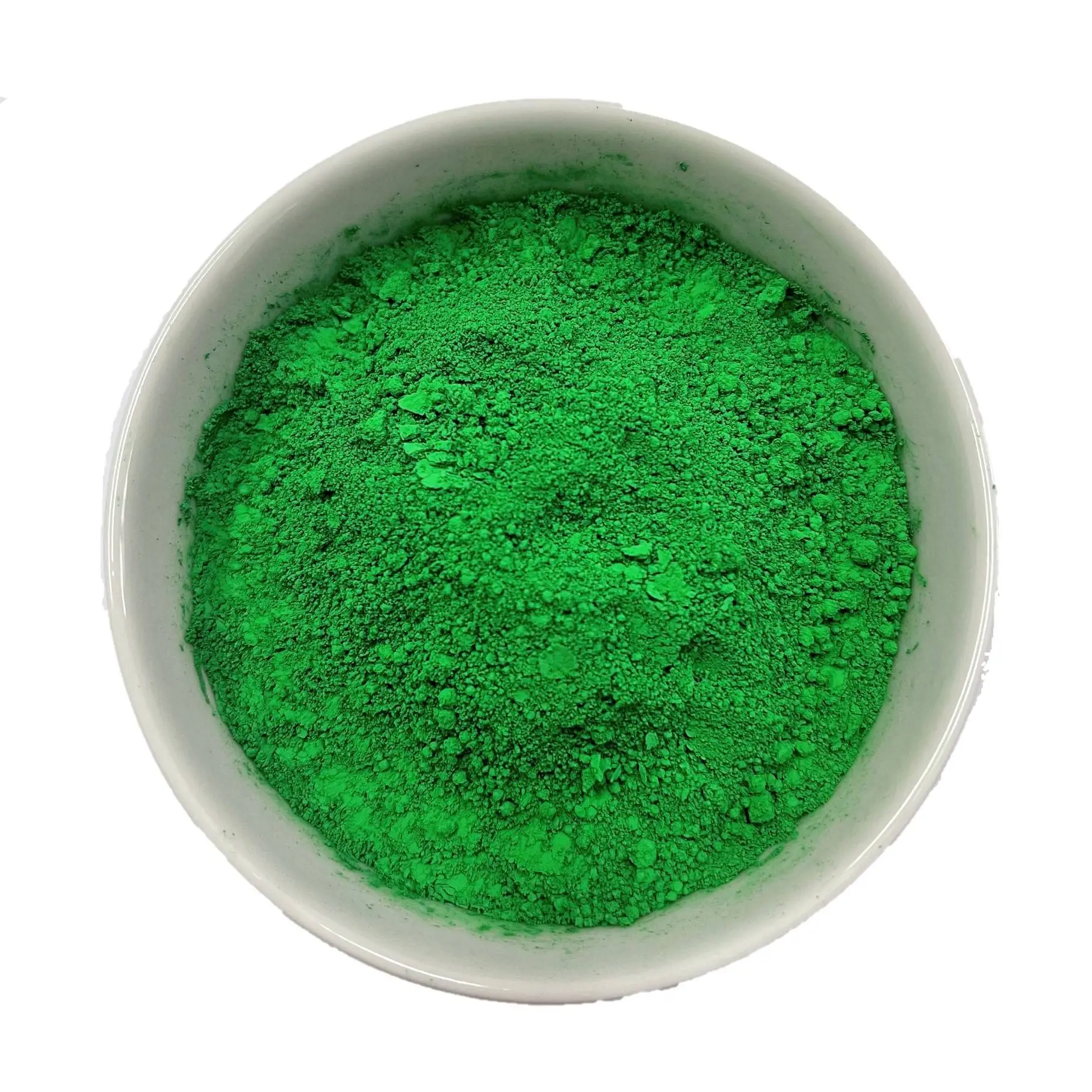
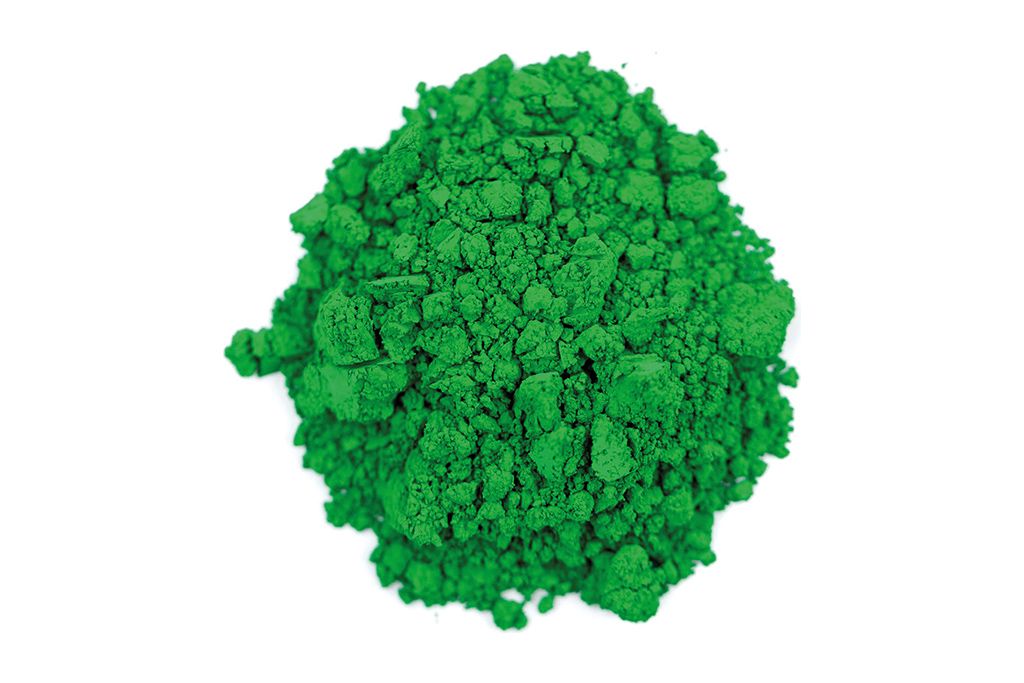
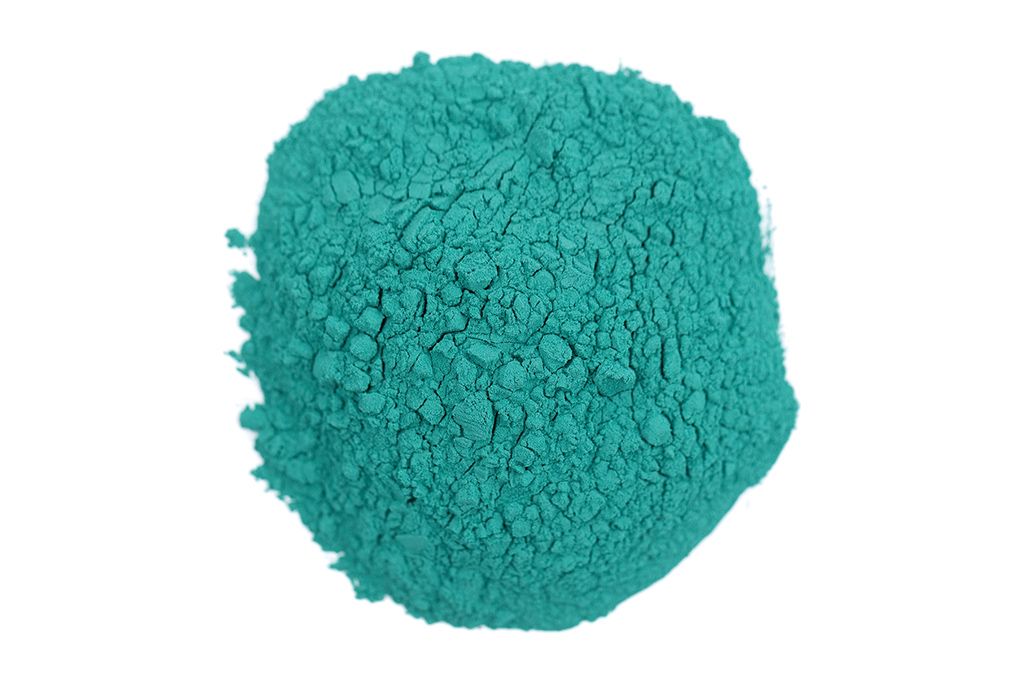
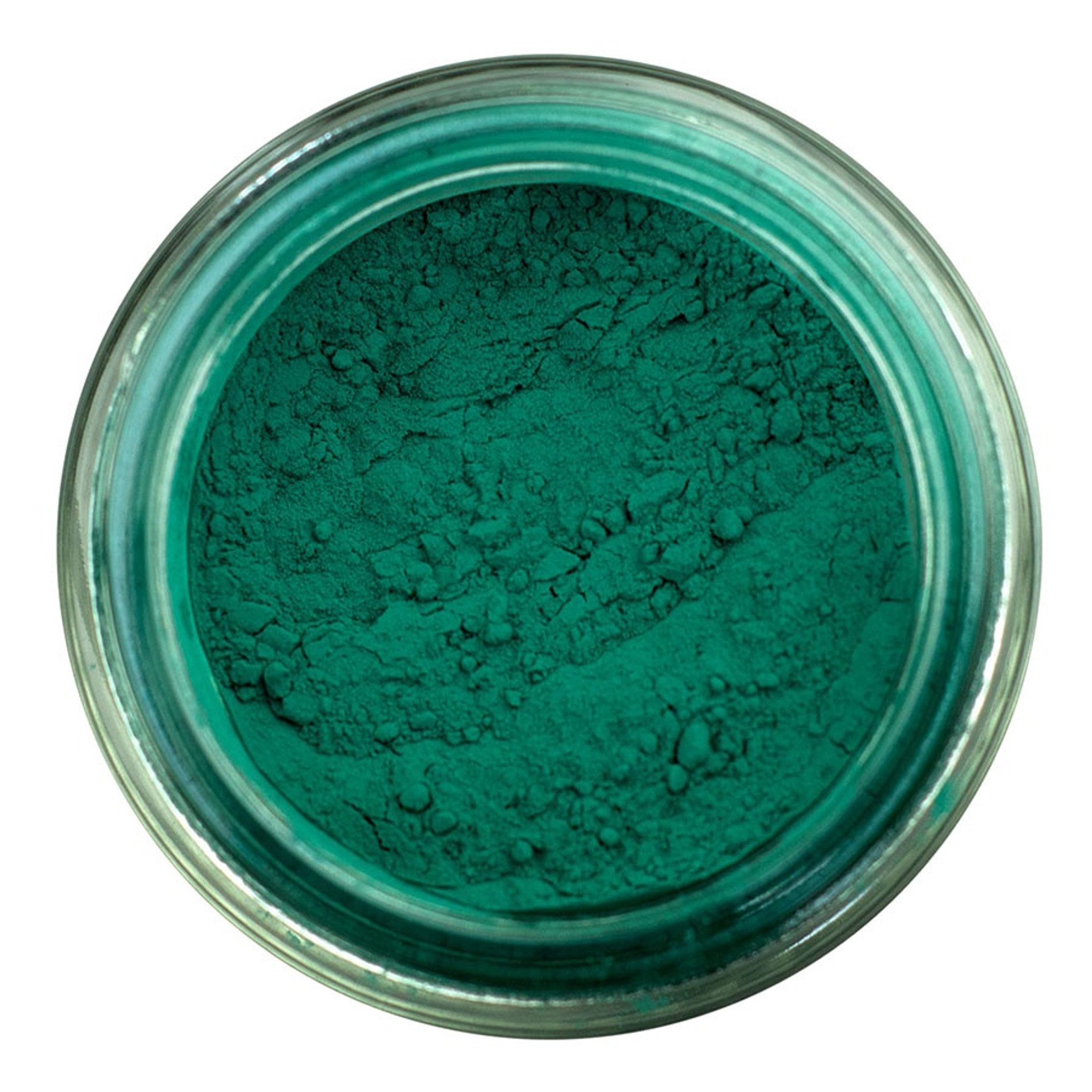
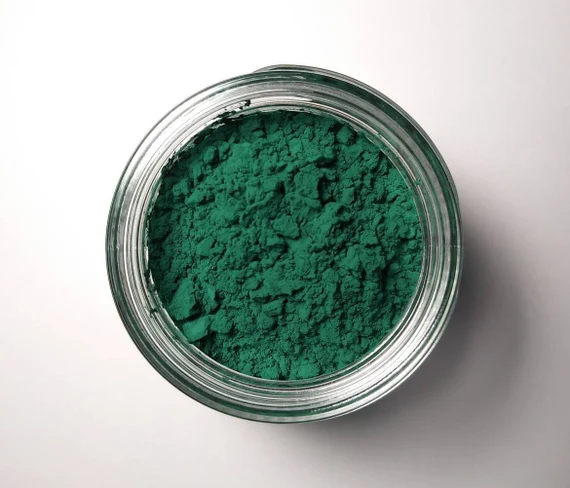
Cobalt green, a captivating and vibrant shade of green, holds a special place in the history of art and industry. More than just a color, it boasts a unique chemical composition, a fascinating past, and lasting applications that continue to make it relevant today. Let’s delve into the story of cobalt green, exploring its origins, properties, and enduring appeal.
A Relatively New Color with a Noble Lineage:
While other pigments like ochre and umber have been used for millennia, cobalt green is a relative newcomer to the color palette. Its discovery is attributed to the Swedish chemist, Gustav Martin, in 1802. He successfully synthesized it by calcining cobalt oxide with zinc oxide, resulting in a stable and vibrant green pigment. This process created zinc cobaltate, the chemical compound that gives cobalt green its distinct hue.
Interestingly, cobalt green is part of a “cobalt color family” which also includes cobalt blue, cobalt violet, and cobalt yellow. These colors share a common element – cobalt – which acts as a key ingredient in their creation and contributes to their characteristic brilliance and stability.
The Chemistry Behind the Chrome:
The beauty of cobalt green lies not only in its visual appeal, but also in its chemical properties. Its high stability makes it resistant to fading and discoloration under exposure to light, heat, and alkalis. This is a crucial characteristic for artists, ensuring their works maintain their intended color vibrancy for years to come. Furthermore, cobalt green is non-toxic, unlike some of its predecessors which contained arsenic or other harmful substances.
A Painter’s Paradise:
Cobalt green quickly became a favorite among artists seeking a stable and reliable green pigment. It offered a refreshing alternative to less predictable greens derived from plant-based sources, which were prone to fading and browning. Impressionist and Post-Impressionist painters, such as Claude Monet and Vincent van Gogh, readily embraced cobalt green for its ability to capture the nuances of light and shadow in landscapes. Its vibrant and transparent qualities allowed them to create luminous and atmospheric paintings.
Beyond the Canvas: Applications Across Industries:
The benefits of cobalt green extended beyond the art world. Its stability and non-toxicity made it a valuable pigment for various industrial applications, including:
- Ceramics: Cobalt green adds a touch of elegance to pottery, tiles, and other ceramic products. Its resistance to high temperatures ensures that the color remains vibrant even after firing.
- Glassmaking: As a coloring agent in glass, cobalt green imparts a beautiful emerald hue.
- Plastics: Cobalt green finds its way into plastic products, offering a durable and visually appealing green tone.
- Cosmetics: Due to its non-toxicity, cobalt green is sometimes used as a colorant in cosmetic products such as eyeshadows and nail polishes, although regulations vary by region.
Cobalt Green Today:
While synthetic organic pigments have become more prevalent in recent years, cobalt green retains its value for specific applications. Its unique combination of stability, durability, and vibrant color make it a preferred choice for artists seeking archival quality materials and for industries requiring a reliable and non-toxic green pigment.
In Conclusion:
Cobalt green is more than just a color; it’s a testament to the power of scientific discovery and the beauty of chemical innovation. From its origins in a Swedish chemist’s laboratory to its widespread use in art and industry, cobalt green has left an indelible mark on our world. Its vibrant hue continues to inspire artists, enhance products, and remind us of the enduring appeal of a color born from knowledge and artistry. As we appreciate the verdant beauty surrounding us, let us also remember the fascinating story behind the captivating shade of cobalt green.


Reviews
There are no reviews yet.