
Description
1. Product Overview
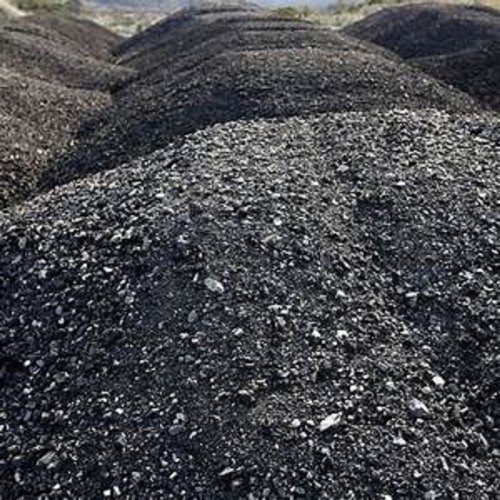
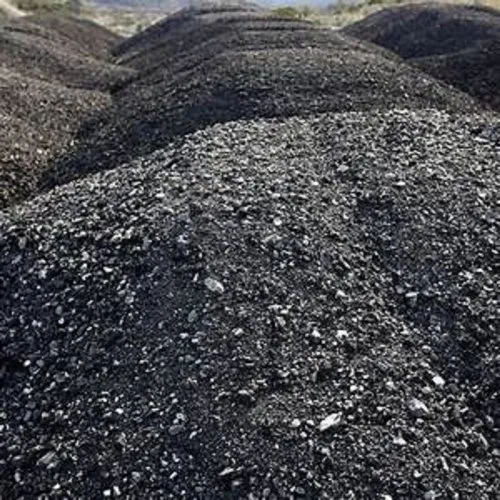
Coal Slurry is a homogeneous mixture of finely ground coal particles suspended in water, engineered for efficient bulk handling, combustion, and industrial fuel applications. It serves as an alternative fuel source for power generation, cement kilns, and large-scale industrial boilers requiring consistent calorific performance.
By enabling pumpable transport and controlled combustion, Coal Slurry reduces dust emissions, simplifies material handling, and improves fuel efficiency compared to dry coal logistics. Strategically, it supports cost-effective energy production while enhancing operational safety and environmental compliance in high-volume industrial operations.
2. Key Specifications & Technical Characteristics
- Primary Composition:
- Pulverized coal (carbon-rich solid fuel)
- Process water
- Optional stabilizing additives
- Solid Content: Typically 50–70% coal by weight (customizable)
- Calorific Value (Dry Basis):
- 4,500–6,500 kcal/kg (depending on coal grade)
- Ash Content: Typically 10–25% (adjustable per source material)
- Sulfur Content: As per specified coal grade (commonly 0.5–2.5%)
- Particle Size:
- 60–90% passing 200 mesh (≤75 microns)
- Density: Approx. 1.1–1.3 g/cm³
- Physical Form:
- Viscous, pumpable black slurry
- Stable suspension with minimal sedimentation
- Moisture Content: 30–50% (controlled for optimal combustion performance)
- Packaging Options:
- Bulk tanker trucks
- ISO tank containers
- Pipeline transfer (for integrated facilities)
- Shelf Life:
- 30–60 days under proper agitation or recirculation conditions
3. Core Industrial Applications
Primary Industries
- Thermal power generation
- Cement manufacturing
- Steel and metallurgical plants
- Industrial boiler operations
- Chemical processing facilities
Operational Use Cases
- Direct firing in modified slurry-compatible burners
- Supplementary fuel in rotary kilns
- Co-firing with other fossil fuels
- Fuel feedstock for gasification systems
Performance & Cost Advantages
Coal Slurry offers superior handling efficiency compared to dry pulverized coal, eliminating airborne dust and reducing explosion risks during transport and storage. The pumpable format enables automated feeding systems, lowering labor and material handling costs.
Its uniform particle size and controlled moisture content ensure stable combustion, improved heat transfer, and optimized fuel burn rates. Compared to traditional solid coal logistics, slurry systems reduce spillage losses and enhance overall fuel utilization efficiency.
4. Competitive Advantages
- Quality Consistency: Controlled particle size distribution and stable solid concentration for predictable combustion performance.
- Supply Reliability: Scalable production capacity ensuring uninterrupted bulk fuel supply.
- Logistics Capability: Efficient transport via tanker, ISO tanks, or pipeline—reducing dust-related handling issues.
- Cost Competitiveness: Lower total delivered fuel cost through simplified storage and automated feeding systems.
- Environmental Benefits: Reduced fugitive dust emissions and improved workplace safety versus dry coal handling.
- Customization Flexibility: Adjustable solid content and calorific value to meet plant-specific requirements.
- Technical Support: Combustion guidance, burner compatibility advisory, and quality documentation available.
Coal Slurry represents a strategically optimized fuel solution for industrial operators seeking operational efficiency, safer handling, and competitive energy economics.
5. Commercial & Supply Information
- Minimum Order Quantity (MOQ): Bulk 20 MT
- Loading Capacity:
- 20ft ISO Tank Container: Approx. 20–25 MT
- Bulk Road Tanker: 20–30 MT (depending on local regulations)
Long-term supply contracts and volume-based pricing structures are available for qualified industrial buyers.


Reviews
There are no reviews yet.