
Description
1. Product Overview
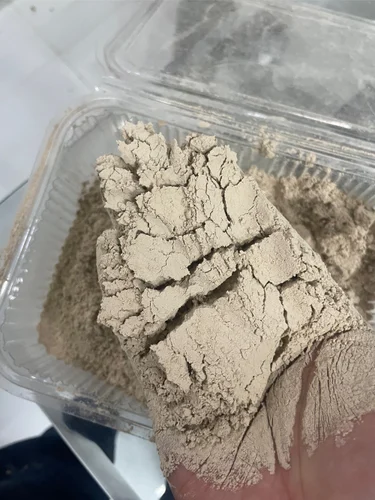
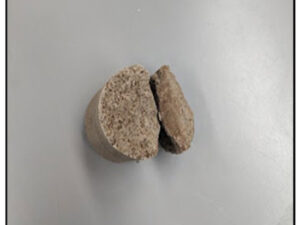
Clay By-product Feed is a mineral-rich secondary material generated from clay processing operations, offering a cost-effective and sustainable solution for various industrial and agricultural applications. This material retains valuable mineral components such as silica, alumina, and trace elements that support its functional use in soil conditioning, animal feed additives (where permitted), and industrial filler applications. By utilizing a recovered clay stream, buyers gain access to a dependable raw material that supports circular resource utilization while reducing sourcing costs. Its strategic importance lies in transforming industrial by-products into productive inputs, helping manufacturers and agricultural operators optimize resource efficiency and sustainability performance.
2. Key Specifications & Technical Characteristics
- Material Composition: Predominantly silica (SiO₂), alumina (Al₂O₃), with trace minerals including iron oxides and calcium compounds
- Purity / Grade: Industrial-grade mineral by-product; composition may vary depending on source clay processing stream
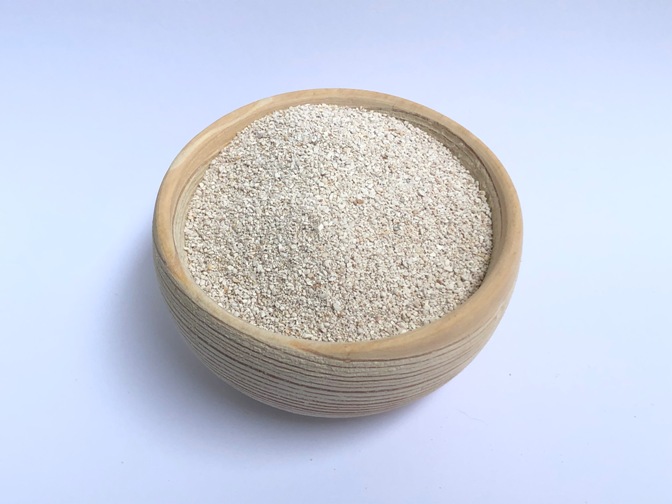
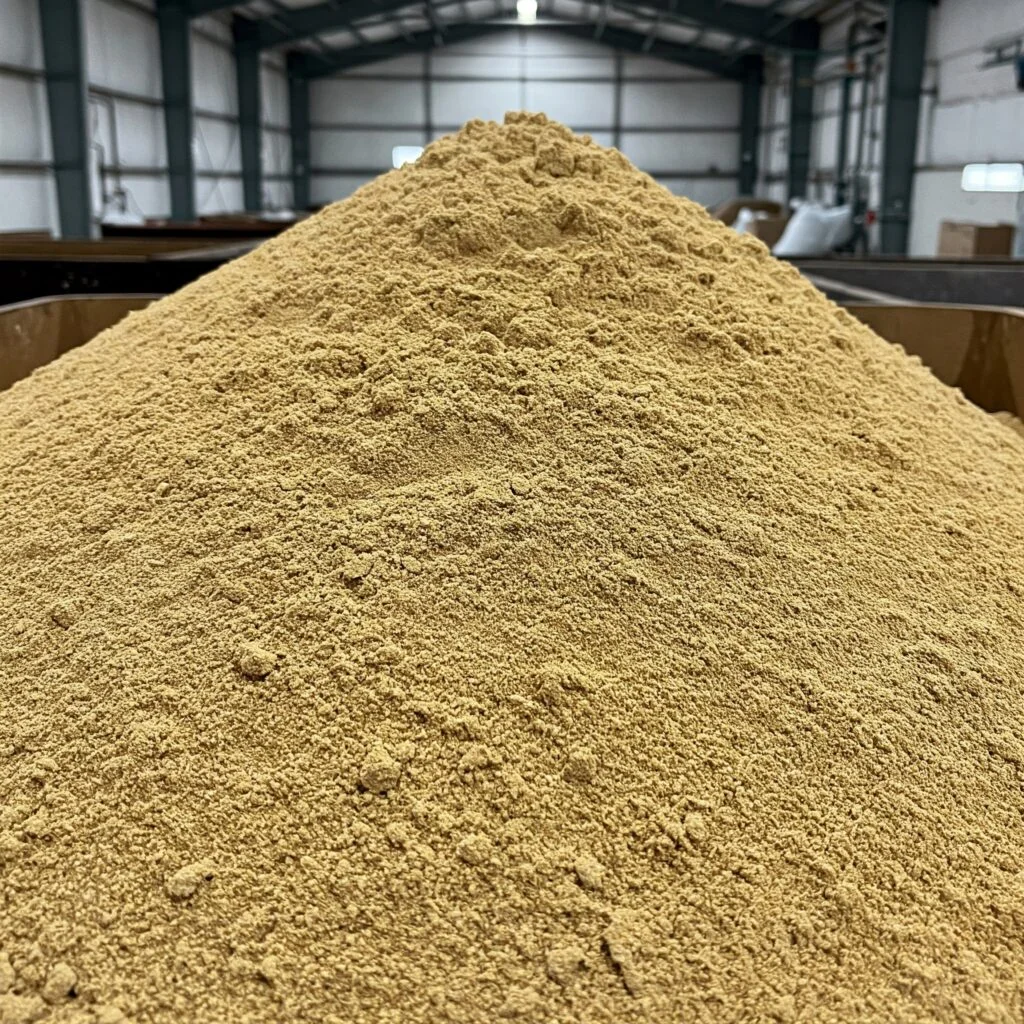
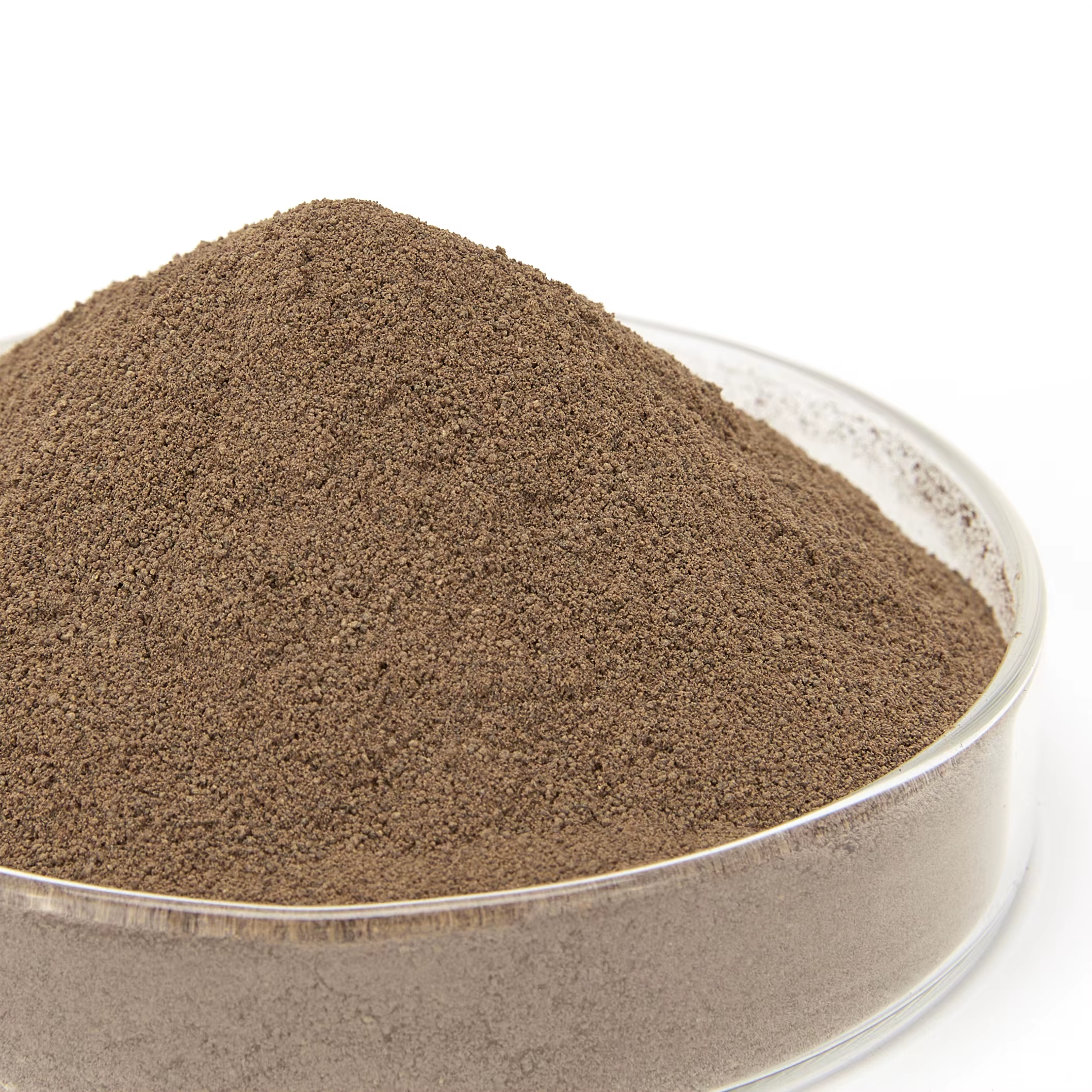
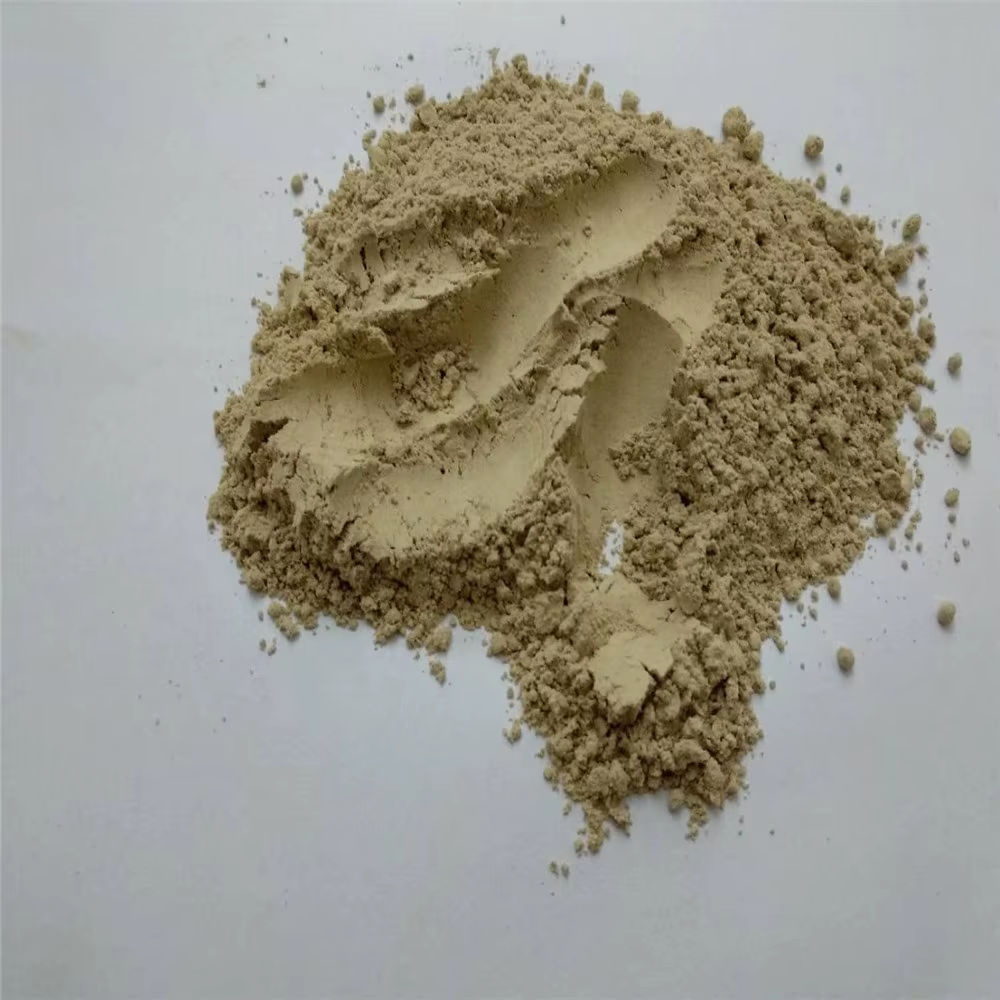
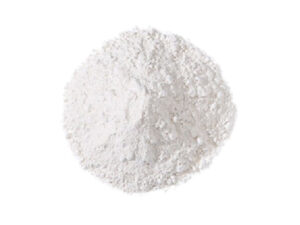
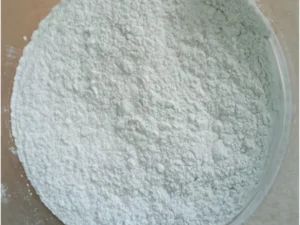
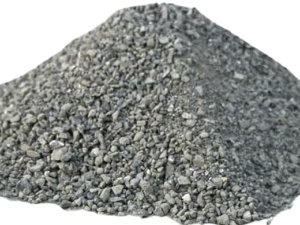
- Physical Form: Fine granular to powder form
- Color: Light grey to beige (may vary by batch)
- Particle Size: Typically <2 mm; customizable screening available depending on application requirements
- Bulk Density: Approx. 0.8–1.2 g/cm³ (typical range depending on moisture and particle size)
- Moisture Content: Generally low to moderate depending on storage conditions
- Packaging Options: Bulk loose, jumbo bags (1 MT), or customized bulk packaging
- Shelf Life: Stable mineral material; long-term storage possible under dry conditions
3. Core Industrial Applications
Clay By-product Feed is widely utilized across multiple industries where mineral-rich fillers or soil-enhancing materials are required.
Primary Industries:
- Agriculture and soil management
- Animal nutrition and feed premix manufacturing (where regulatory approvals apply)
- Construction material production
- Industrial fillers and mineral additives
Operational Use Cases:
- Soil conditioning and mineral supplementation in agricultural fields
- Mineral additive component in livestock feed formulations
- Raw material for brick, cement, and ceramic production
- Filler material in industrial compounds and mineral blends
Performance Advantages:
- Provides naturally occurring mineral content beneficial for soil and industrial formulations
- Cost-efficient alternative to primary mined mineral fillers
- Stable physical structure suitable for blending and bulk processing
- Supports circular economy initiatives by repurposing industrial mineral streams
4. Competitive Advantages
- Quality Consistency: Controlled sourcing from established clay processing streams ensures reliable material characteristics
- Supply Reliability: Continuous availability due to regular generation from clay processing operations
- Logistics Capability: Suitable for bulk export with flexible packaging and containerized shipment options
- Price Competitiveness: Significantly lower cost compared with virgin mineral fillers
- Sustainability Benefits: Recovered material reduces industrial waste and promotes resource efficiency
- Technical Support: Material data, composition analysis, and documentation available upon request
5. Commercial & Supply Information
- Minimum Order Quantity (MOQ): BULK 20 MT
- Loading Capacity: Approximately 20–25 MT per 20 ft container depending on packaging and moisture content
Reviews
There are no reviews yet.