
Description
Cinnamaldehyde: More Than Just a Cinnamon Scent
Cinnamaldehyde, the compound responsible for the distinctive aroma and flavor of cinnamon, is far more than just a pleasant spice. This naturally occurring organic compound boasts a fascinating chemical structure and a surprising range of applications, extending beyond the kitchen and into the realms of medicine, agriculture, and even industry.
The Chemistry of Cinnamon’s Charm:
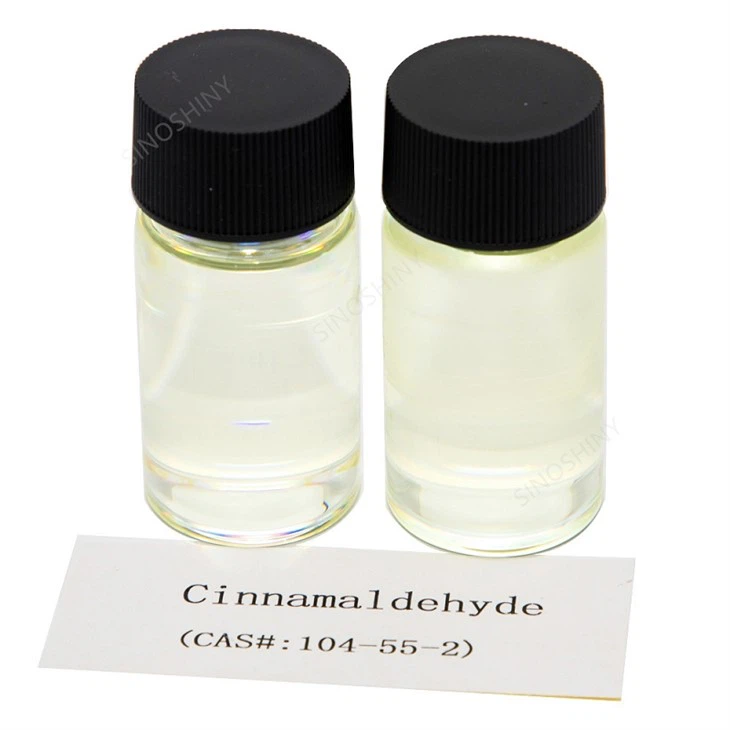
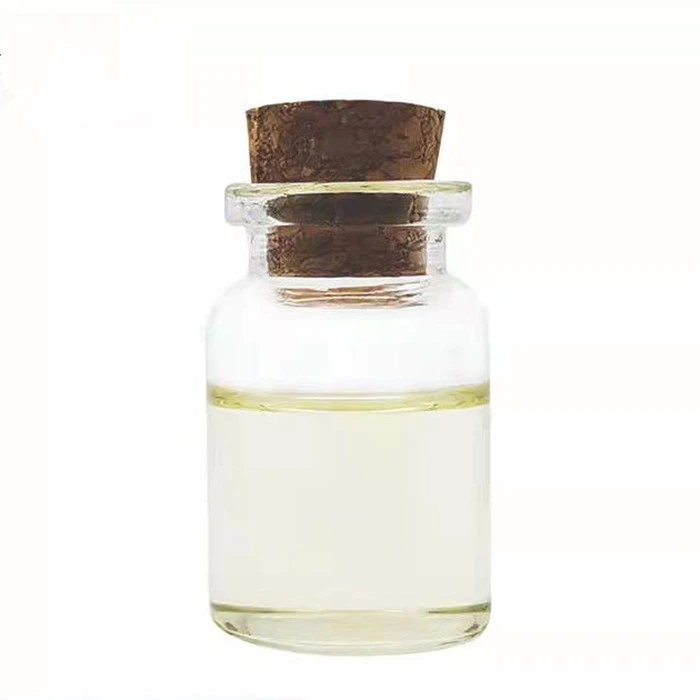
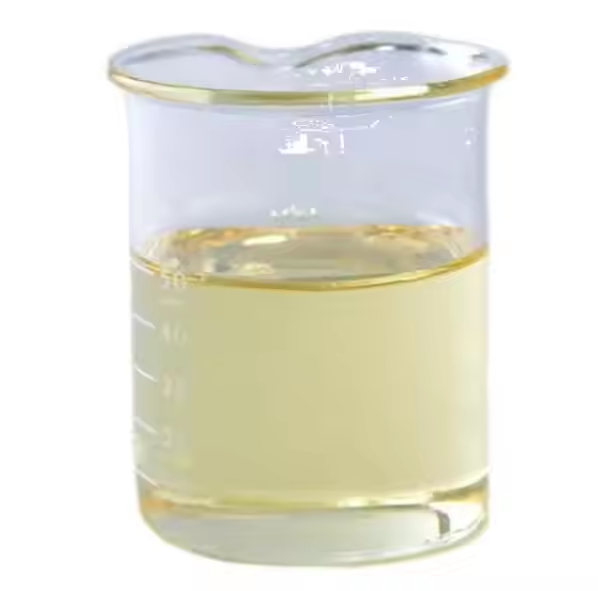
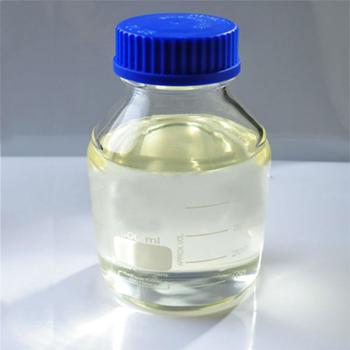
Cinnamaldehyde is a pale yellow, viscous liquid with the chemical formula C₉H₈O. It belongs to the class of organic compounds known as phenylpropanoids, and its characteristic scent arises from its aromatic aldehyde group. This structure allows it to interact strongly with olfactory receptors, creating the warming, sweet, and slightly spicy aroma we associate with cinnamon.
While found in varying concentrations across different cinnamon species, Cinnamaldehyde is typically the dominant component, making up a significant portion of the essential oil extracted from cinnamon bark. The concentration and purity can impact the overall flavor profile and potential applications.
Beyond Baking: A Diverse Range of Uses:
While Cinnamaldehyde is a staple in culinary applications, contributing to the flavor of baked goods, beverages, and savory dishes worldwide, its uses extend far beyond the kitchen:
- Antimicrobial Properties: Perhaps one of the most intriguing aspects of cinnamaldehyde is its potent antimicrobial activity. Studies have shown its effectiveness against a wide range of bacteria, fungi, and even viruses. This makes it a promising candidate for use as a natural preservative in food products and potentially as an ingredient in antibacterial cleaning agents.
- Insecticide and Repellent: Cinnamaldehyde acts as a natural insecticide and repellent, making it a more environmentally friendly alternative to synthetic pesticides. Its effectiveness against mosquito larvae, mites, and other pests makes it a valuable tool in pest control.
- Flavoring Agent: In addition to its use in traditional cinnamon-flavored foods, cinnamaldehyde is used to create other flavor profiles, such as almond, apricot, butterscotch, and even apple.
- Fragrance Industry: The characteristic scent of cinnamaldehyde makes it a popular ingredient in perfumes, soaps, and other cosmetic products.
- Pharmaceutical Applications: Research is ongoing to explore the potential therapeutic benefits of cinnamaldehyde. Studies suggest it may have anti-inflammatory, antioxidant, and anti-cancer properties. While more research is needed, preliminary findings are promising, exploring its potential use in treating conditions like diabetes and neurodegenerative diseases.
Safety and Considerations:
While generally considered safe for consumption, potential side effects, particularly with high concentrations, should be noted. Some individuals may experience allergic reactions or skin irritation upon contact. As with any bioactive compound, consulting with a healthcare professional is recommended before using cinnamaldehyde for medicinal purposes.
The Future of Cinnamaldehyde:
As research continues to unlock the potential of this versatile compound, we can anticipate an even wider range of applications for cinnamaldehyde in the future. From improving food safety and developing novel pharmaceuticals to providing sustainable pest control solutions, this humble ingredient is poised to play an increasingly important role in various industries. So, the next time you enjoy the comforting aroma of cinnamon, remember that cinnamaldehyde is more than just a pleasant scent – it’s a powerful natural ingredient with a fascinating future.


Reviews
There are no reviews yet.