
Description
Chlorinated Paraffins (CPs)
Chlorinated paraffins are a group of complex, mainly saturated hydrocarbons derived from paraffins that have been partially or fully replaced with chlorine atoms. They are produced by chlorinating paraffin mixtures and are typically sold as technical grade blends rather than single pure compounds.
- They are used widely as plasticizers for polymers (especially PVC), flame retardants, lubricants, sealants, and components in metalworking fluids.
- CPs are not a single chemical but a family of related substances with varying chain lengths and chlorine content.
Classification by carbon chain length
Chlorinated paraffins are commonly grouped by the carbon chain length of the constituent molecules:
- Short-chain CPs (SCCPs): roughly C10 to C13
- Medium-chain CPs (MCCPs): roughly C14 to C17
- Long-chain CPs (LCCPs): roughly C18 and longer (often up to C40 in some formulations)
Because CPs are mixtures, any given product may contain a distribution of chain lengths within its group.
Key properties and behavior
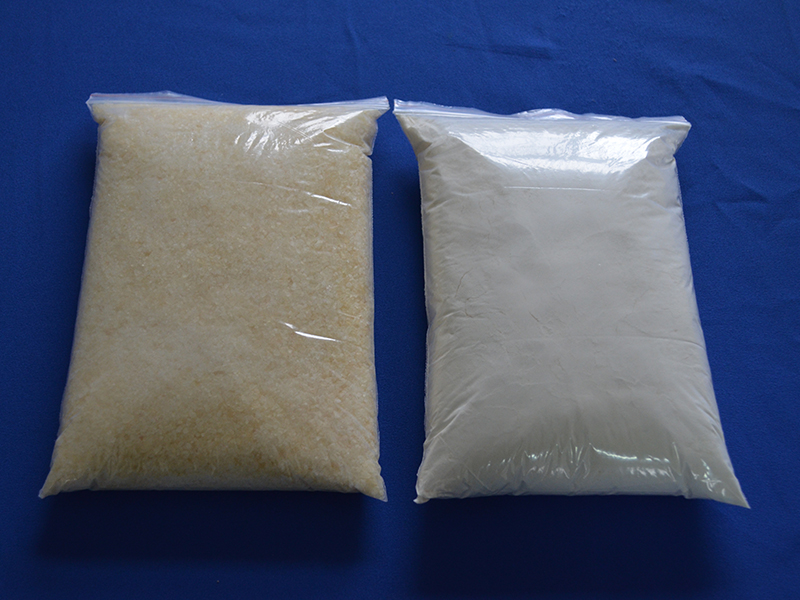
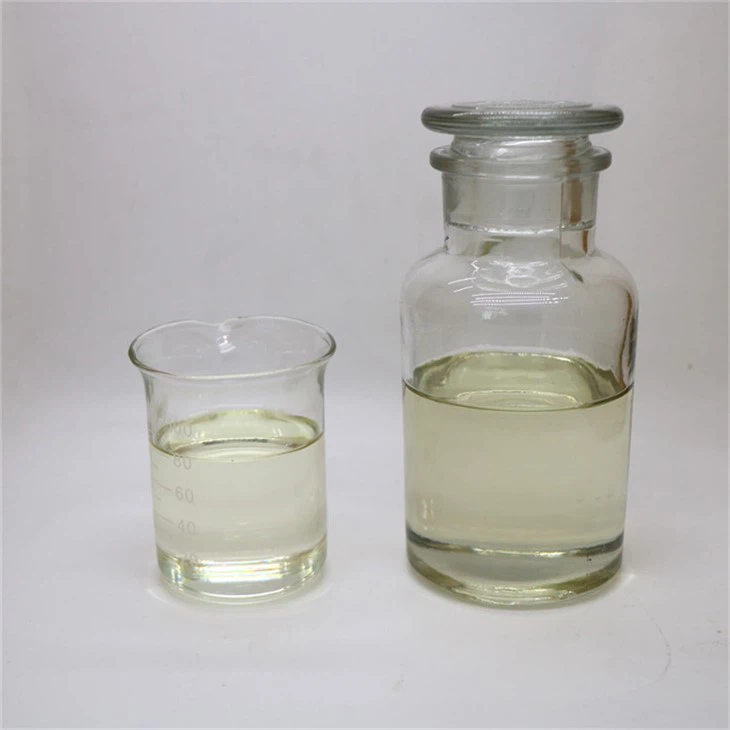
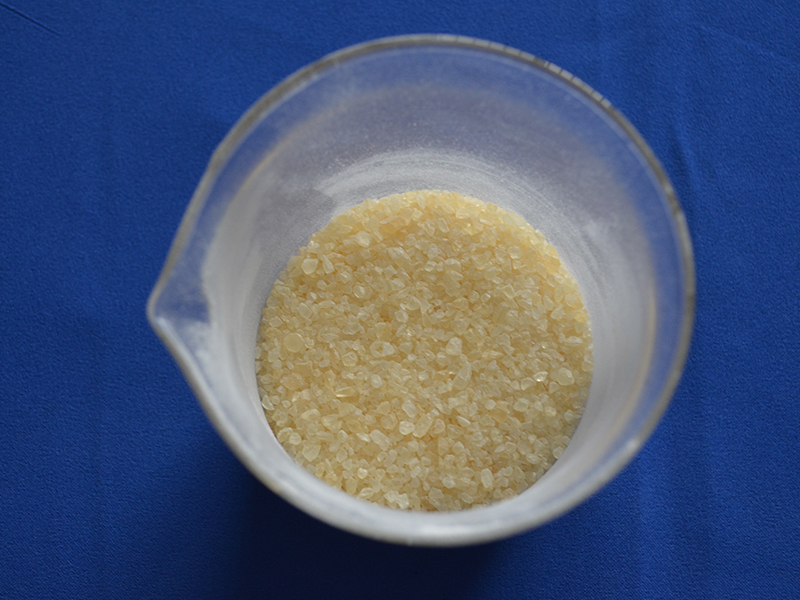
- Physical state: varies from liquids to waxy solids; often opaque or pale yellow
- Solubility: generally insoluble in water; soluble in many organic solvents
- Density: typically around 1.0–1.4 g/mL, depending on composition
- Stability: chemically relatively stable; resistant to many environmental degradation processes
- Environmental fate: CPs are persistent in the environment; behavior (bioaccumulation, mobility) depends on chain length and chlorine content
- Toxicology: data gaps exist for some CPs, but short-chain CPs, in particular, have raised concerns due to persistence and potential for environmental impact; they are subject to regulatory scrutiny in many jurisdictions
Uses and applications
- PVC and polymer additives: as plasticizers to improve flexibility
- Sealants and caulks: to improve processing and performance
- Coatings and paints: as additives
- Flame retardant formulations: in various electronics, textiles, and plastics
- Lubricants and metalworking fluids: to reduce friction and wear
Health and environmental considerations
- CPs are persistent in the environment and can be bioaccumulative, particularly for certain chain lengths and chlorine contents.
- Short-chain CPs tend to be more bioavailable and of greater regulatory concern in some regions.
- Health effects have been studied to varying extents; data gaps exist, and risk is dose- and exposure-route dependent. Regulatory bodies emphasize precaution due to persistence and potential for accumulation.
If you are evaluating CPs for a specific application, it is important to review current hazard classifications and regulatory guidance for your region and for the exact CP formulation you plan to use.
Regulatory status and guidance (high level)
Regulatory landscapes vary by region and by chain length category. Here are general trends to guide you:
- European Union (EU):
- Short-chain CPs (SCCPs) have been a major regulatory focus due to persistence and bioaccumulation concerns.
- SCCPs have appeared on regulatory lists as Substances of Very High Concern (SVHC) and are subject to REACH considerations and restrictions in many consumer and industrial applications.
- There are entries under REACH that affect the use of CPs in articles and certain product categories; MCCPs and LCCPs may be covered differently depending on the exact formulation and use.
- Always check the latest information from the European Chemicals Agency (ECHA) for status, restrictions, and required reporting.
- Other regions:
- Regulatory attention has grown in several jurisdictions, with some countries imposing usage controls, labeling requirements, or prohibitions for certain CPs, especially SCCPs.
- Some jurisdictions require suppliers to provide hazard information or restrict CPs in specific applications (for example, in cosmetics or certain child-associated products).
Important: regulatory status for CPs changes over time as assessments progress. If you’re planning to use CPs, consult the latest guidance from local environmental or chemical safety authorities (for example, ECHA in the EU, EPA or equivalent in other regions) and your supplier’s safety data sheets (SDS) and regulatory declarations.
Quick comparison table
| Class | Typical carbon range | Common concerns | Typical regulatory emphasis |
|---|---|---|---|
| SCCPs (Short-chain) | C10–C13 | Higher bioavailability; persistence; stronger regulatory focus | Often subject to stringent restrictions/notification in many regions |
| MCCPs (Medium-chain) | C14–C17 | Persistent, varying bioaccumulation; data less complete than SCCPs | Regulatory attention increasing; status varies by region |
| LCCPs (Long-chain) | C18 and up | Often less bioaccumulative than SCCPs; persistence still a concern | Regulation varies; some regions address via general CP restrictions |
Note: CPs are mixtures; exact properties, hazards, and regulatory status depend on the precise formulation, chlorine content, and chain-length distribution.
Practical considerations for use
- Due diligence: verify the exact CP composition (chain lengths, chlorine content) with the supplier, and obtain a current Safety Data Sheet (SDS) and regulatory declarations.
- Regulatory compliance: ensure compliance with local and regional regulations for your product category and end-use (e.g., consumer goods, coatings, textiles).
- Environmental and safety practices: implement appropriate handling, ventilation, and personal protective equipment according to SDS guidelines; assess environmental release and disposal considerations.
- Alternatives: depending on your application, consider alternative plasticizers or flame retardants with more favorable regulatory and environmental profiles. If you’re evaluating alternatives, I can help compare properties and regulatory statuses.
If you need more detailed guidance
- I can help you:
- Identify the exact CP class and chain-length distribution for your product from the supplier data
- Summarize the latest regulatory requirements for your region (EU, US, or others)
- Compare CPs with potential alternatives in terms of performance, cost, and regulatory risk
- Locate authoritative sources (such as ECHA, EPA, or OECD guidance) and recent risk assessments
Summary / Key takeaway
Chlorinated paraffins are a family of persistent, chlorinated hydrocarbons used mainly as plasticizers, flame retardants, and lubricants. They are categorized by chain length into SCCPs, MCCPs, and LCCPs, with regulatory attention strongest for SCCPs in many regions. Because they are mixtures with variable composition, always rely on current supplier data, SDS, and up-to-date regulatory guidance for safe handling and compliance.
If you tell me your region and the specific CP class and application you’re dealing with, I can tailor regulatory references and practical steps more precisely.


Reviews
There are no reviews yet.