
Description
1. Product Overview
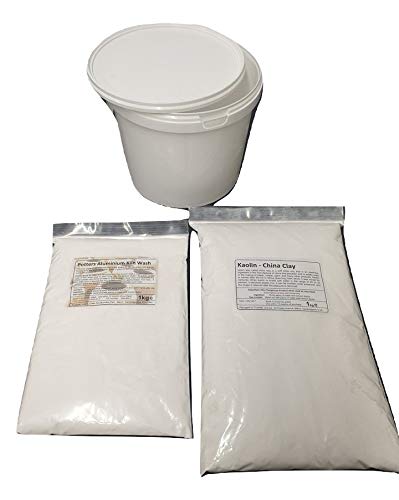
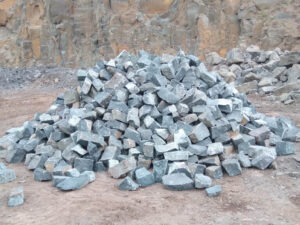
Ceramic Kiln Waste is a high-temperature industrial byproduct generated during ceramic firing processes, containing mineral-rich residues formed under controlled kiln conditions. This material is increasingly valued as a secondary raw material across multiple heavy industries due to its stable mineral composition and thermal history. It is widely utilized in construction materials, cement blending, refractory formulations, and mineral fillers where durability and thermal resistance are required. By repurposing kiln-derived residues, manufacturers can reduce raw material costs while supporting circular economy initiatives. Ceramic Kiln Waste therefore represents both a cost-efficient input material and a strategic sustainability solution for industrial buyers seeking reliable alternative mineral resources.
2. Key Specifications & Technical Characteristics
- Material Composition: Predominantly silica (SiO₂), alumina (Al₂O₃), calcium compounds, and trace ceramic minerals
- Purity / Grade: Industrial-grade secondary mineral material
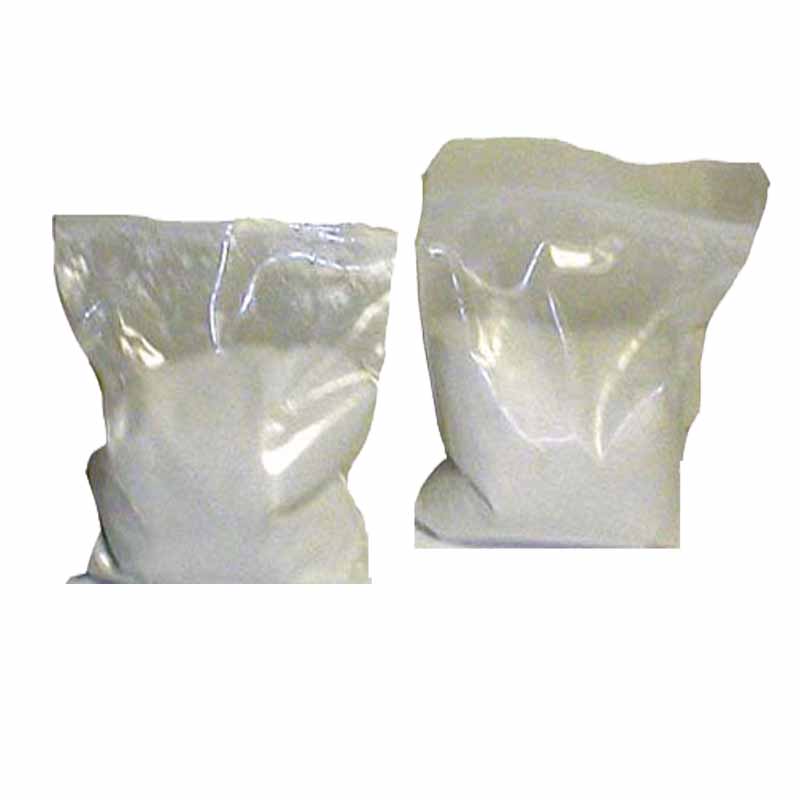
- Physical Form: Granular or powder form depending on processing
- Color: Light gray to off-white or reddish depending on kiln feedstock
- Particle Size: Typically 50 microns – 5 mm (custom screening available)
- Bulk Density: Approximately 1.1 – 1.6 g/cm³
- Moisture Content: Generally <5%
- Thermal Stability: High-temperature resistant due to kiln exposure
- Packaging Options:
- Jumbo bags (1 MT)
- Bulk loose loading
- Customized industrial packaging upon request
- Shelf Life: Indefinite when stored in dry, covered conditions
3. Core Industrial Applications
Cement & Construction Materials
Ceramic Kiln Waste is widely used as a supplementary mineral component in cement blends, concrete fillers, and construction composites. Its silica and alumina content contributes to strength development and material stability.
Refractory & High-Temperature Materials
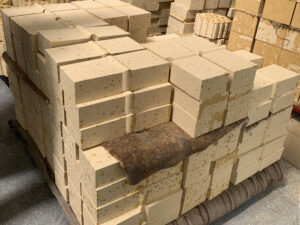
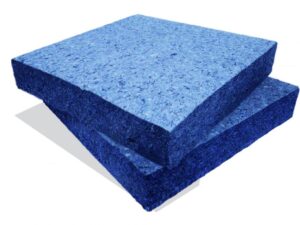
Due to prior exposure to extreme kiln temperatures, the material exhibits strong thermal resilience, making it suitable for refractory bricks, insulation products, and heat-resistant composites.
Ceramic & Tile Manufacturing
Manufacturers often recycle kiln waste into ceramic production cycles as a filler or mineral modifier, helping optimize raw material efficiency and reduce manufacturing waste.
Mineral Fillers & Industrial Additives
Its stable mineral composition allows use as a cost-effective filler in industrial compounds, mortars, coatings, and engineered materials.
Compared with virgin mineral inputs, Ceramic Kiln Waste provides a significant cost advantage while maintaining functional performance in industrial processes.
4. Competitive Advantages
- Consistent Mineral Composition derived from controlled kiln processing environments
- Reliable Bulk Supply supported by established industrial recovery channels
- Efficient Global Logistics suitable for high-volume industrial procurement
- Cost-Effective Alternative to primary mined mineral inputs
- Sustainability Benefits by diverting industrial waste from landfills and enabling material recycling
- Flexible Processing Options including screening and particle size customization
- Technical Documentation Available including composition analysis and material specifications upon request
This product represents a strategic sourcing opportunity for manufacturers seeking reliable secondary raw materials while advancing cost optimization and sustainability objectives.
5. Commercial & Supply Information
- Minimum Order Quantity (MOQ): BULK 20 MT
- Loading Capacity: 20–25 MT per container depending on packaging format and destination regulations.
Reviews
There are no reviews yet.