
Description
1. Product Overview
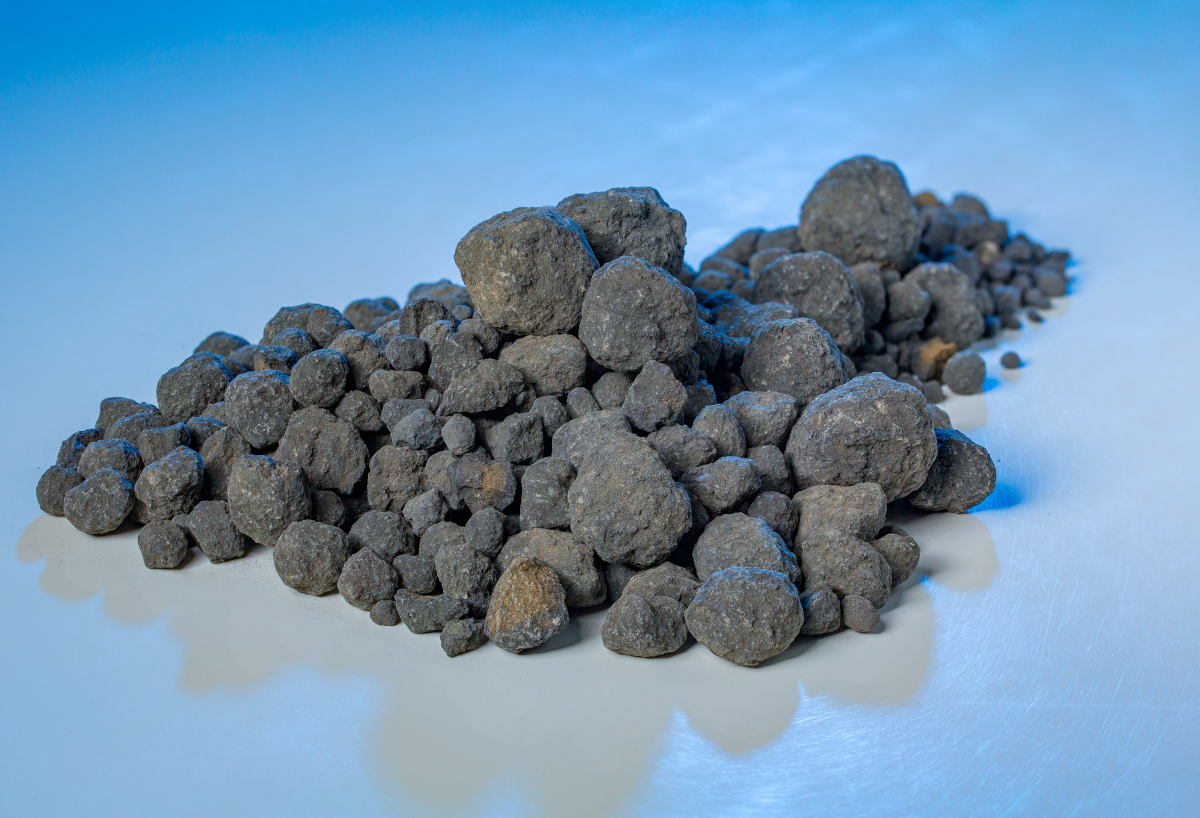
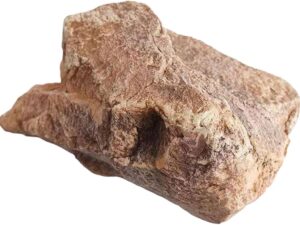
Cement Clinker Fines are finely divided particles generated during the production, grinding, or handling of cement clinker in cement manufacturing facilities. These fines retain the essential mineralogical composition of clinker, making them a valuable secondary raw material for cement production, construction materials, and industrial applications. Their high reactivity and cementitious properties allow manufacturers to enhance blending efficiency, reduce production costs, and improve sustainability in cement and building material processes. In global construction and infrastructure markets, Cement Clinker Fines represent a strategically important resource for optimizing material utilization while supporting circular economy practices.
2. Key Specifications & Technical Characteristics
- Material Composition: Primarily composed of clinker minerals including tricalcium silicate (C₃S), dicalcium silicate (C₂S), tricalcium aluminate (C₃A), and tetracalcium aluminoferrite (C₄AF)
- Purity/Grade: High clinker mineral content with minimal contamination depending on source
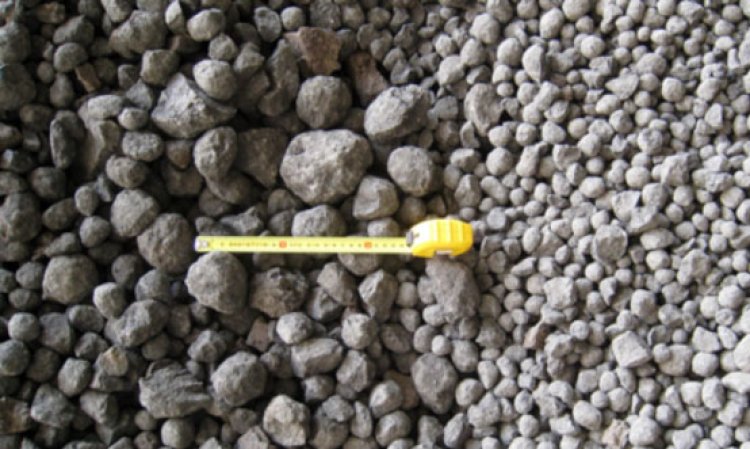
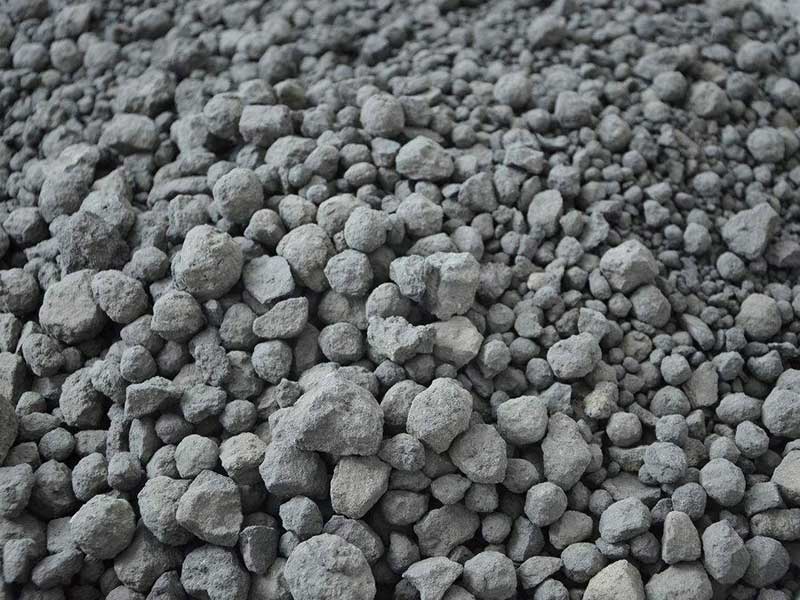
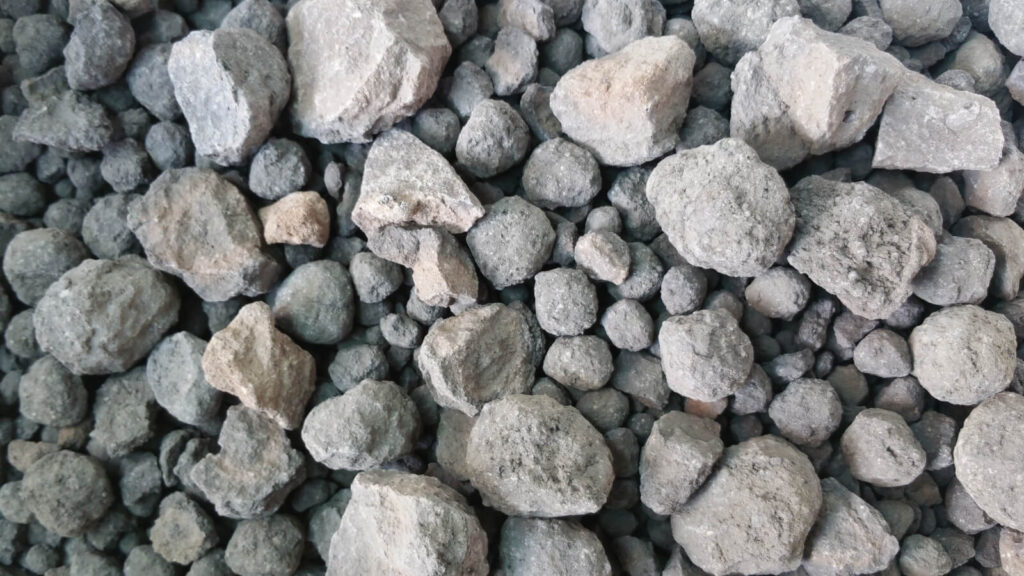
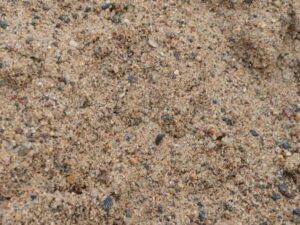
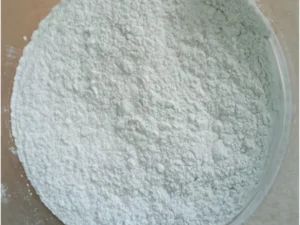
- Physical Form: Fine granular or powdery material
- Color: Grey to dark grey
- Particle Size: Typically below 5 mm, with a significant portion in fine powder form
- Bulk Density: Approximately 1.1 – 1.4 g/cm³ (varies with moisture and compaction)
- Moisture Content: Generally low; dependent on storage and handling conditions
- Packaging Options:
- Bulk loose loading
- Jumbo bags (1–1.5 MT)
- Customized industrial packaging upon request
- Shelf Life: Indefinite under dry storage conditions with proper moisture protection
3. Core Industrial Applications
Cement Manufacturing
Cement Clinker Fines are widely used as a supplementary feed material in cement grinding operations. Their clinker-based composition allows manufacturers to recover valuable cementitious material while improving overall plant efficiency and reducing raw material waste.
Construction Materials Production
Producers of blended cements, masonry products, and precast materials utilize clinker fines to enhance binding performance and optimize material costs without compromising structural performance.
Road Construction & Stabilization
Clinker fines can be applied in soil stabilization and road base preparation, where their hydraulic properties contribute to improved strength, durability, and long-term stability of infrastructure layers.
Industrial Recycling & Circular Economy Initiatives
Cement producers and construction material manufacturers integrate clinker fines into production streams to reduce landfill disposal and maximize resource recovery.
Compared with alternative fillers or inert aggregates, Cement Clinker Fines deliver superior hydraulic activity, better compatibility with cement systems, and measurable cost efficiency in large-scale industrial operations.
4. Competitive Advantages
- Quality Consistency: Carefully sourced and screened material ensuring stable mineral composition and predictable performance in industrial processes
- Supply Reliability: Continuous availability from cement production streams enabling long-term supply agreements
- Efficient Logistics: Bulk handling capability and flexible packaging options suitable for international shipments
- Price Competitiveness: Cost-effective alternative to primary clinker while maintaining functional cementitious properties
- Sustainability Benefits: Supports waste minimization and material recovery in cement manufacturing, contributing to circular economy goals
- Technical Transparency: Material specifications and documentation available to support industrial quality control and procurement requirements
5. Commercial & Supply Information
- Minimum Order Quantity (MOQ): BULK 20 MT
- Loading Capacity: 20–25 MT per container depending on packaging and destination logistics
Reviews
There are no reviews yet.