
Description
1. Product Overview
Carbon Molecular Sieve (CMS) — Nitrogen Rejection is a high-performance carbon-based adsorbent engineered for gas separation processes, particularly in pressure swing adsorption (PSA) systems used for nitrogen generation and gas purification. The material features precisely controlled microporous structures that selectively adsorb oxygen, moisture, and other gases while allowing nitrogen to pass through efficiently.
Its primary value lies in enabling cost-effective on-site nitrogen production with high purity and operational stability. Strategically, Carbon Molecular Sieve plays a critical role in industrial gas generation infrastructure, supporting manufacturing operations that require reliable nitrogen supply without dependence on external gas deliveries.
2. Key Specifications & Technical Characteristics
- Chemical Composition:
- High-purity carbon matrix derived from polymeric carbon precursors
- Microporous carbon structure optimized for selective gas adsorption
- Purity Level / Grade:
- Industrial Gas Separation Grade
- Optimized for nitrogen generation PSA systems
- Physical Characteristics:
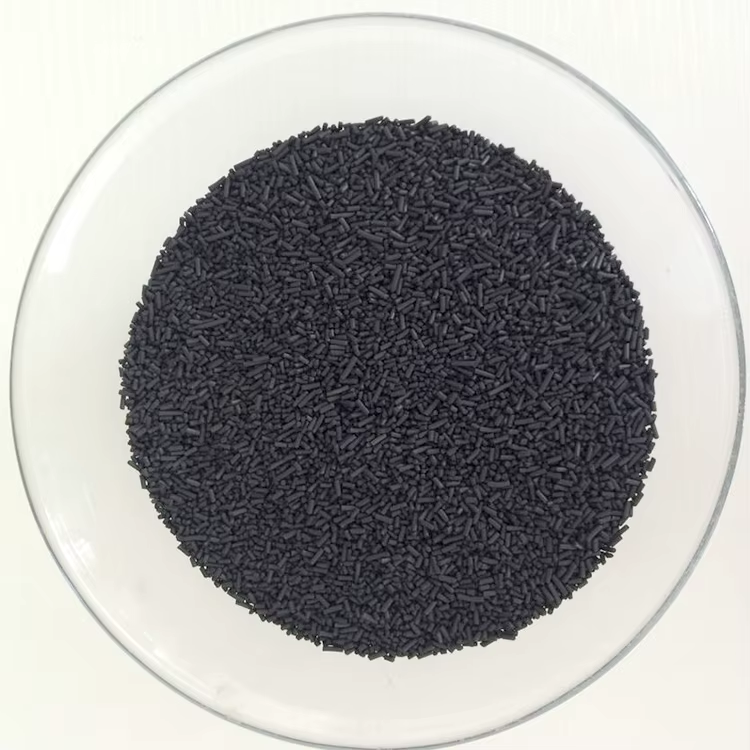
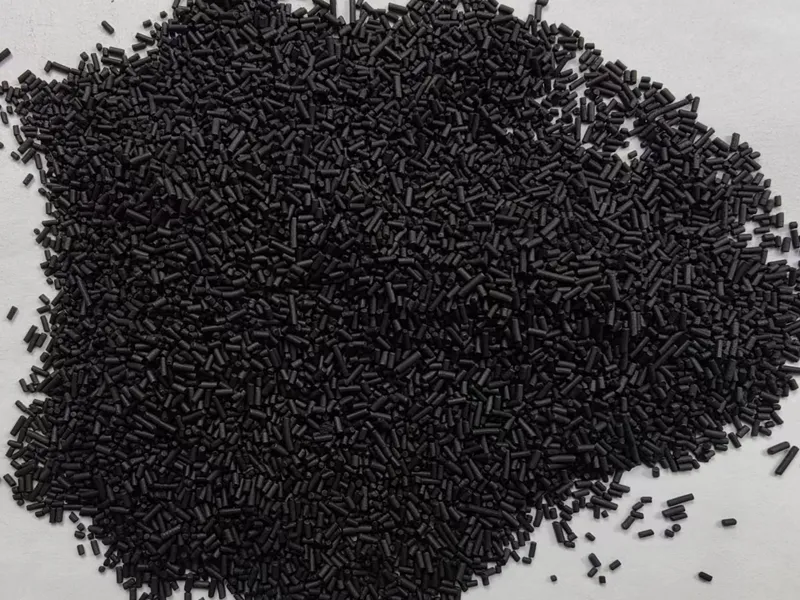
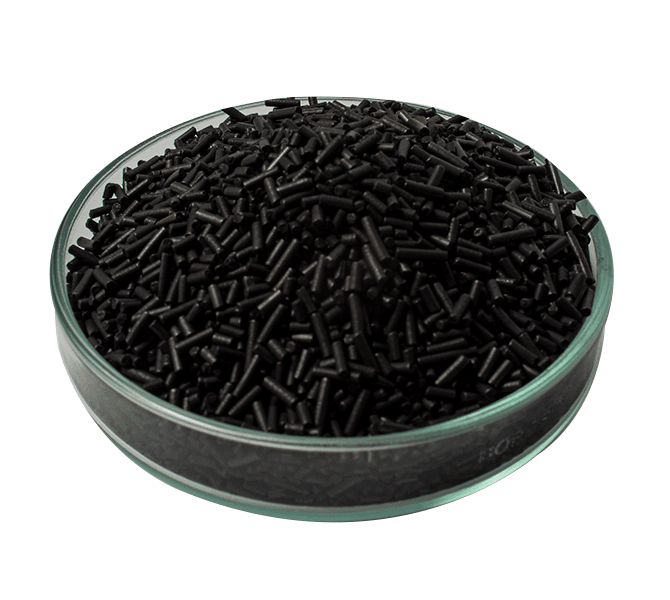
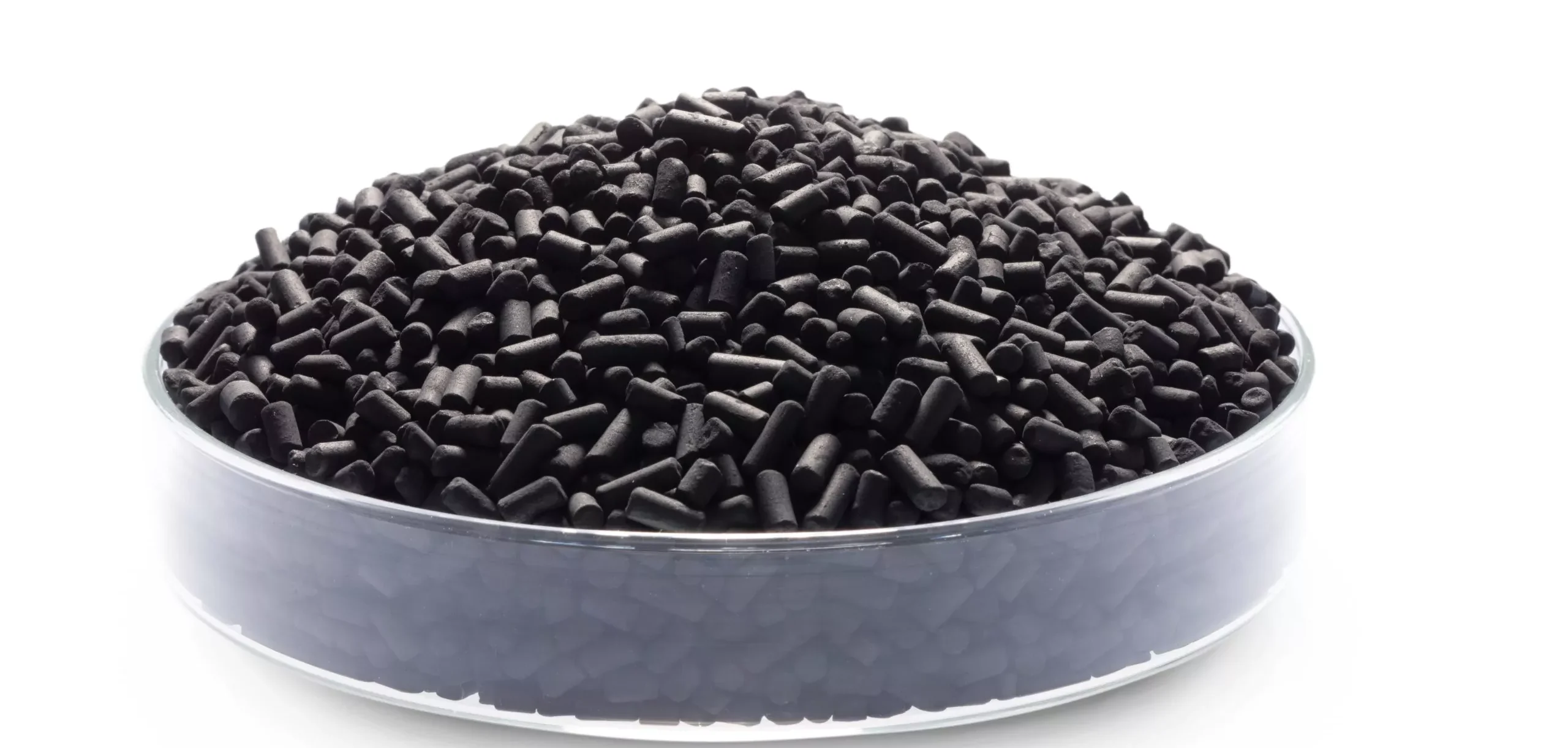
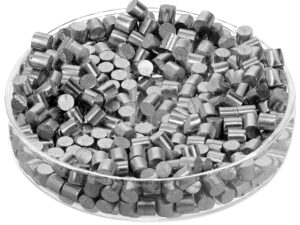
- Form: Cylindrical pellets or granules
- Color: Black
- Particle Size: Typically 1.0–2.0 mm or 1.5–2.5 mm (PSA standard sizes)
- Bulk Density: Approx. 0.65–0.75 g/cm³
- High mechanical strength and abrasion resistance
- Packaging Options:
- Sealed steel drums
- Multi-layer moisture-resistant bags
- Bulk container shipments
- BULK 20MT shipments
- Shelf Life:
- Up to 5 years under dry, sealed storage conditions
- Protect from moisture and contamination
3. Core Industrial Applications
Primary Industries
- Industrial gas generation
- Chemical manufacturing
- Food and beverage processing
- Electronics and semiconductor production
- Oil and gas processing
Operational Use Cases
- Nitrogen generation through PSA nitrogen generators
- Oxygen removal from compressed air streams
- Inert gas production for chemical processing and storage systems
- Protective atmosphere generation for metal processing and packaging
Performance & Cost Advantages
Carbon Molecular Sieve delivers superior gas separation efficiency due to its precisely engineered pore structure that preferentially adsorbs oxygen molecules faster than nitrogen. This kinetic separation mechanism allows PSA systems to achieve high nitrogen purity levels with consistent output.
Compared to cryogenic nitrogen supply or membrane systems in certain applications, CMS-based PSA units offer lower capital investment, reduced energy consumption, and flexible on-site gas generation. Its high mechanical strength ensures long operational life with minimal dust formation and stable cycle performance.
4. Competitive Advantages
- Quality Consistency: Uniform pore distribution and particle size for stable PSA performance.
- Supply Reliability: Scalable production capacity supporting large industrial nitrogen generation systems.
- Logistics Capability: Global bulk shipping options with moisture-protected packaging.
- Price Competitiveness: Cost-efficient alternative to external nitrogen gas procurement.
- Sustainability Benefits: Enables energy-efficient on-site gas generation and reduces transportation emissions.
- Technical Documentation: Full product specifications, COA, and SDS available.
- Technical Support: Application guidance for PSA system integration, performance optimization, and operational troubleshooting.
Carbon Molecular Sieve (CMS) represents a strategic investment for industrial operators seeking reliable nitrogen generation, operational cost efficiency, and long-term process stability.
5. Commercial & Supply Information
- Minimum Order Quantity (MOQ): BULK 20MT
- Loading Capacity:
- 20ft Container (Drums or Bagged Bulk): Approx. 20–24 MT depending on packaging configuration
Reviews
There are no reviews yet.