


Description
1. Product Overview
Butyric Acid is a short-chain fatty acid widely utilized as a key intermediate in chemical manufacturing and as a functional additive in feed, food, and pharmaceutical industries. It serves critical roles in the production of esters, cellulose derivatives, and performance chemicals, while also supporting gut health applications in animal nutrition. The product delivers strong value through its high reactivity, versatility, and proven efficacy across multiple industrial processes. Strategically, Butyric Acid is essential due to rising demand in specialty chemicals and sustainable feed additives, positioning it as a high-impact input in global supply chains.
2. Key Specifications & Technical Characteristics
- Chemical Composition: Butanoic Acid (C₄H₈O₂)
- Purity Level: ≥ 99% (Industrial/Feed/Pharma Grade options available)
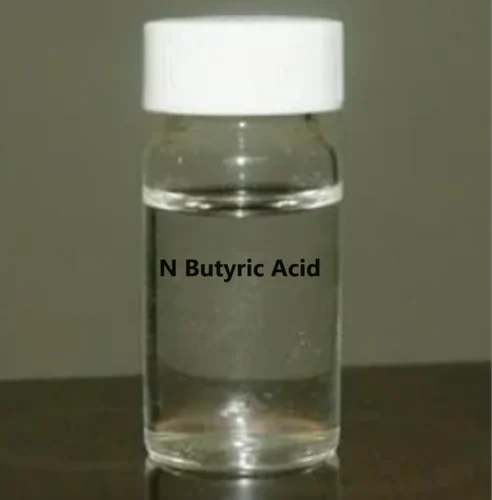
- Physical Form: Clear, colorless to slightly yellow liquid
- Odor: Strong, characteristic rancid odor
- Density: ~0.96 g/cm³ at 20°C
- Boiling Point: ~163–165°C
- Solubility: Miscible with water, ethanol, and ether
- Packaging Options:
- 200 kg HDPE drums
- 1,000 kg IBC tanks
- Bulk tanker shipments
- Shelf Life: 12–24 months under recommended storage conditions (cool, dry, well-ventilated area)
3. Core Industrial Applications
- Animal Nutrition & Feed Additives: Used as a gut health enhancer and antimicrobial agent, improving feed efficiency and livestock performance.
- Chemical Manufacturing: Key intermediate for producing butyrate esters, plasticizers, and cellulose acetate butyrate (CAB) used in coatings and plastics.
- Food & Flavor Industry: Precursor for flavor esters that impart buttery notes in food products.
- Pharmaceuticals: Utilized in drug formulation and research applications due to its biological activity.
Butyric Acid outperforms alternatives due to its high bioavailability in feed applications, strong antimicrobial properties, and efficient reactivity in esterification processes. It offers cost-effective performance with reduced dosage requirements and improved end-product quality.
4. Competitive Advantages
- Consistent High Purity: Ensures reliable performance across sensitive industrial processes
- Stable Supply Chain: Scalable production with dependable global sourcing capabilities
- Efficient Logistics: Flexible packaging and bulk shipping options to optimize transport costs
- Price Competitiveness: Optimized production economics enabling attractive bulk pricing
- Sustainability Profile: Increasing availability of bio-based Butyric Acid options
- Technical Support: Comprehensive documentation (COA, MSDS) and application guidance available
5. Commercial & Supply Information
- Minimum Order Quantity (MOQ): Bulk 20 MT
- Loading Capacity: ~20–22 MT per 20-ft container depending on packaging format


Reviews
There are no reviews yet.