


Description
1. Product Overview
Bitumen Residue is a heavy hydrocarbon by-product derived from petroleum refining and thermal processing operations. It is primarily used as a cost-efficient binder, fuel component, and feedstock in construction, energy, and industrial manufacturing sectors. The key value proposition lies in its high carbon content, strong binding characteristics, and economic advantage compared to conventional bitumen and heavy fuel oils. Strategically, Bitumen Residue supports industrial cost optimization, resource recovery, and circular utilization of refinery outputs, making it a valuable material in infrastructure and energy-intensive industries.
2. Key Specifications & Technical Characteristics
- Chemical Composition:
- High molecular weight hydrocarbons
- Asphaltenes and resins
- Carbon content: Typically 75–90%
- Sulfur: Variable (as per refinery source)
- Trace metals and mineral content (controlled per specification)
- Grade / Classification:
- Industrial-grade heavy hydrocarbon residue
- Classified by viscosity, softening point, and sulfur content
- Physical Characteristics:
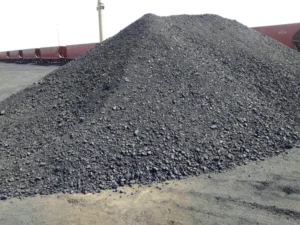
- Form: Semi-solid to highly viscous liquid (temperature dependent)
- Color: Dark brown to black
- Penetration: As per specification
- Softening Point: Customizable based on application
- Density: Approx. 0.95–1.10 g/cm³
- Moisture Content: Minimal and controlled
- Packaging Options:
- Bulk tanker trucks
- ISO tank containers
- Drums (upon request)
- Shelf Life:
- 12 months under proper storage conditions (heated storage recommended where applicable)
3. Core Industrial Applications
Primary Industries:
- Road construction and asphalt production
- Industrial fuel and energy generation
- Carbon and coke manufacturing
- Waterproofing and insulation materials
Operational Use Cases:
- Binder component in asphalt blending and paving applications
- Feedstock for carbon black and coke production
- Heavy fuel substitute in industrial kilns and boilers
- Raw material for bituminous membranes and coatings
Performance & Commercial Advantages:
- Strong adhesion and binding properties in asphalt systems
- High calorific value for energy-intensive industrial operations
- Cost-effective alternative to premium-grade bitumen and heavy fuel oil
- Enhances resource efficiency by utilizing refinery by-products
- Flexible processing characteristics suitable for blending and modification
4. Competitive Advantages
- Quality Consistency: Controlled refinery sourcing with batch-wise quality testing.
- Supply Reliability: Stable production streams ensure long-term contractual availability.
- Logistics Capability: Bulk handling via tankers and ISO containers with global shipping coordination.
- Price Competitiveness: Economically advantageous compared to conventional bitumen grades and heavy fuel oils.
- Sustainability Benefits: Promotes circular economy by converting refinery residues into industrial value streams.
- Technical Support: Comprehensive technical data sheets (TDS), safety documentation (MSDS), and blending guidance provided.
Bitumen Residue represents a strategic procurement solution for infrastructure developers, energy producers, and industrial manufacturers seeking performance reliability and cost efficiency.
5. Commercial & Supply Information
- Minimum Order Quantity (MOQ): BULK 20 MT
- Loading Capacity: 20–25 MT per container (depending on packaging and temperature requirements)


Reviews
There are no reviews yet.