
Description
1. Product Overview
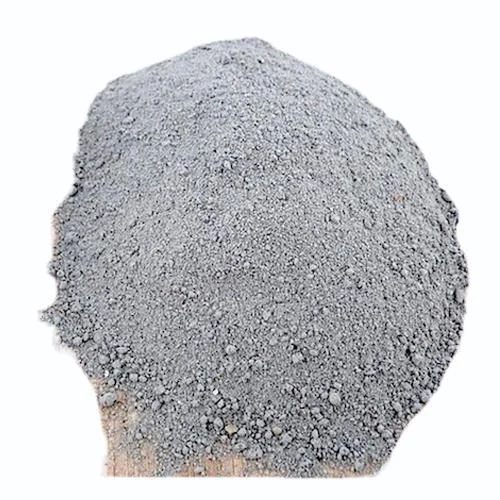
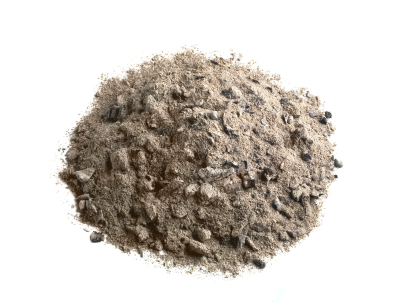
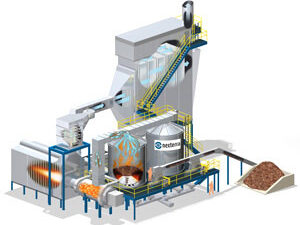
Biomass Ash is a mineral-rich byproduct generated from the combustion of organic biomass materials such as wood chips, agricultural residues, and energy crops in power generation and industrial heating systems. It is primarily utilized in cement manufacturing, construction materials, soil amendment, and environmental applications.
With its high silica, calcium, and potassium content, Biomass Ash serves as a cost-effective supplementary material that enhances performance while reducing reliance on virgin raw inputs. Strategically, it supports circular economy initiatives by converting renewable energy residues into value-added industrial resources.
2. Key Specifications & Technical Characteristics
- Primary Chemical Components:
- Silica (SiO₂)
- Calcium Oxide (CaO)
- Potassium Oxide (K₂O)
- Magnesium Oxide (MgO)
- Alumina (Al₂O₃)
- Trace minerals
- Loss on Ignition (LOI): Typically 2–10%
- Moisture Content: <10% (depending on storage conditions)
- Purity/Grade: Industrial grade; composition dependent on biomass source
- Physical Form:
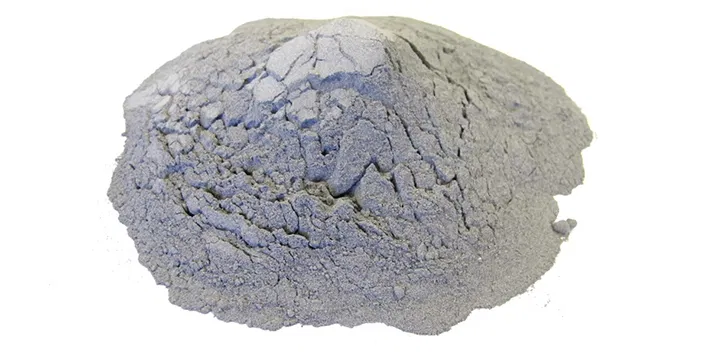
- Fine powder (fly ash fraction)
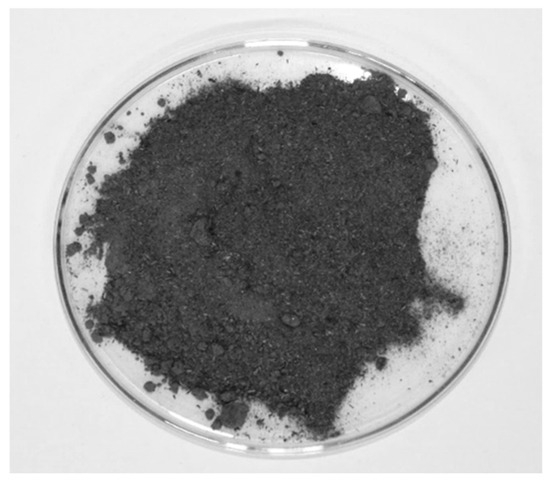
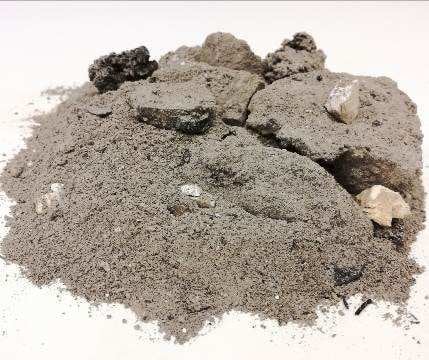
- Granular/coarse particles (bottom ash fraction)
- Light gray to dark gray color
- Particle Size:
- Powder form typically <150 microns
- Bulk Density: Approx. 0.6–1.2 MT/m³
- pH Level: Typically alkaline (pH 9–12)
- Packaging Options:
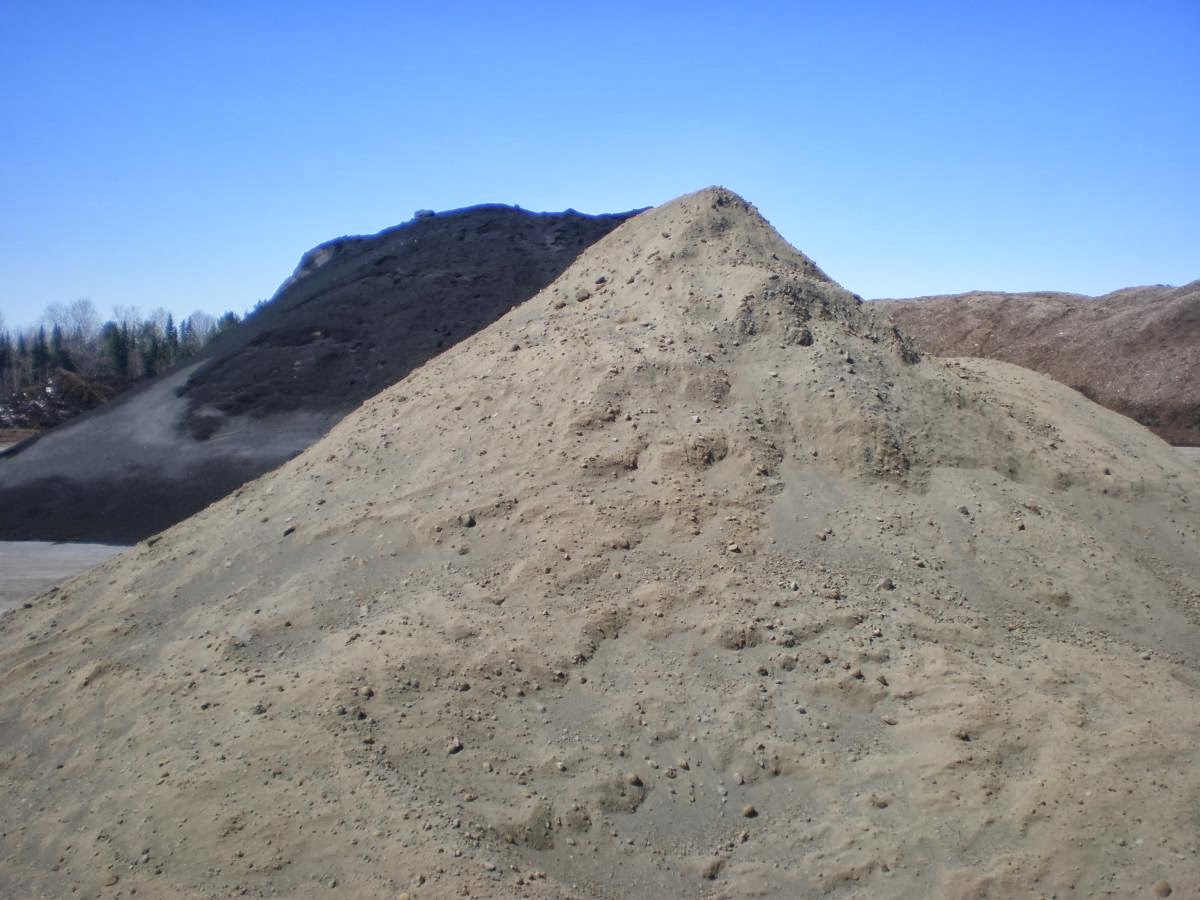
- Bulk loose loading
- Jumbo bags (1–1.5 MT)
- 20ft bulk containers
- Shelf Life:
- 6–12 months under dry, covered storage conditions
3. Core Industrial Applications
Primary Industries
- Cement and concrete manufacturing
- Construction materials production
- Agriculture and soil stabilization
- Environmental remediation
Operational Use Cases
- Supplementary cementitious material in blended cement and concrete
- Partial replacement for Portland cement or lime
- Soil conditioning and pH correction in agriculture
- Road base stabilization and embankment construction
- Land reclamation and waste stabilization
Performance & Cost Advantages
Biomass Ash enhances cementitious reactions through its pozzolanic properties, improving durability and long-term strength development in concrete applications. Its alkaline composition supports effective soil stabilization and nutrient supplementation.
Compared to traditional raw materials, it offers significant cost savings and reduces carbon footprint by lowering clinker usage in cement production. Its renewable origin strengthens sustainability credentials across infrastructure and agricultural projects.
4. Competitive Advantages
- Quality Consistency: Sourced from controlled biomass combustion facilities with regular compositional analysis.
- Supply Reliability: Continuous generation aligned with biomass power plant operations.
- Logistics Capability: Efficient bulk handling and containerized export options.
- Price Competitiveness: Economical alternative to virgin cementitious and soil conditioning materials.
- Sustainability Impact: Renewable origin, supports waste valorization and reduces landfill disposal.
- Technical Documentation: Full chemical analysis reports and material safety data sheets available.
- Technical Support: Application guidance for cement blending, soil treatment, and construction use.
Biomass Ash represents a strategic sourcing solution for industrial buyers seeking cost efficiency, performance reliability, and enhanced environmental responsibility.
5. Commercial & Supply Information
- Minimum Order Quantity (MOQ): Bulk 20 MT
- Loading Capacity:
- 20ft Container: Approx. 20–25 MT
- Bulk Truck Loading: 20–30 MT (subject to regional transport regulations)
Reviews
There are no reviews yet.