
Description
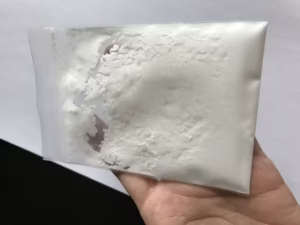
Benzophenone-3, commonly known as oxybenzone, is a chemical UV filter used in many cosmetic products, especially sunscreens, to absorb ultraviolet (UV) light and protect the skin from sun damage.
What it is and where it’s used
- Chemical family: Benzophenone derivative
- Common use: Broad-spectrum UV filter in sunscreens and some cosmetics
- UV absorption: Primarily absorbs UVB and some UVA radiation
- Typical concentrations: In the United States, oxybenzone is allowed in sunscreen products up to about 6% (regulated by the FDA)
How it works
- Function: Absorbs UV radiation to reduce skin exposure to harmful rays
- Stability: Photounstable in some formulations; can degrade under sunlight, which may affect long-term protection and generate reactive byproducts in some circumstances
Safety and health considerations
- Dermal exposure: Humans can absorb oxybenzone through the skin; it can be detected in urine and blood after use
- Endocrine concerns: Animal studies have suggested hormonal activity; human data are not definitive, but the possibility of endocrine disruption has led to caution and regulatory review
- Allergic potential: Some individuals may develop contact dermatitis or irritation
- Special populations: People with sensitive skin or known allergies may prefer alternatives; caregivers often seek safer options for infants and children
- Practical takeaway: If you are concerned about endocrine effects or skin sensitivity, consider alternatives and read product labels carefully
Environmental impact
- Coral and marine life: Some studies and regulatory concerns point to potential harm to coral reefs and marine ecosystems from UV filters including oxybenzone
- Regulatory responses: Several jurisdictions have restricted or banned oxybenzone-containing products to protect environments
Regulatory status and consumer guidance
- United States: Oxybenzone is allowed in sunscreens at up to a 6% concentration; ongoing regulatory reviews keep consumer awareness high
- Other regions: Some places have restricted or banned oxybenzone due to environmental and safety concerns (for example, several island jurisdictions have enacted bans)
- General guidance for consumers:
- Check local regulations and product labels
- If you prefer to avoid potential risks, choose alternatives
- For infants and very young children, prefer mineral-based sunscreens with zinc oxide or titanium dioxide
- Consider reef-friendly options where available
Alternatives to oxybenzone
- Mineral (physical) sunscreens: Zinc oxide, titanium dioxide
- Other chemical filters (US standards): Avobenzone, octocrylene, octisalate, homosalate (note that these have their own safety and regulatory considerations)
- Combination products: Some formulations use different filters to achieve broad spectrum coverage with lower or no oxybenzone
Quick summary
- Benzophenone-3 (oxybenzone) is a widely used UV filter with potential safety and environmental concerns
- Regulatory status varies by country and region; the US allows it at certain concentrations, while other areas have restricted or banned it
- If you have skin sensitivity, concerns about endocrine effects, or prefer environmentally friendlier options, consider alternatives such as mineral sunscreens or other approved UV filters
If you’d like, I can help you compare specific product labels or summarize the regulatory status for your country or region.


Reviews
There are no reviews yet.