

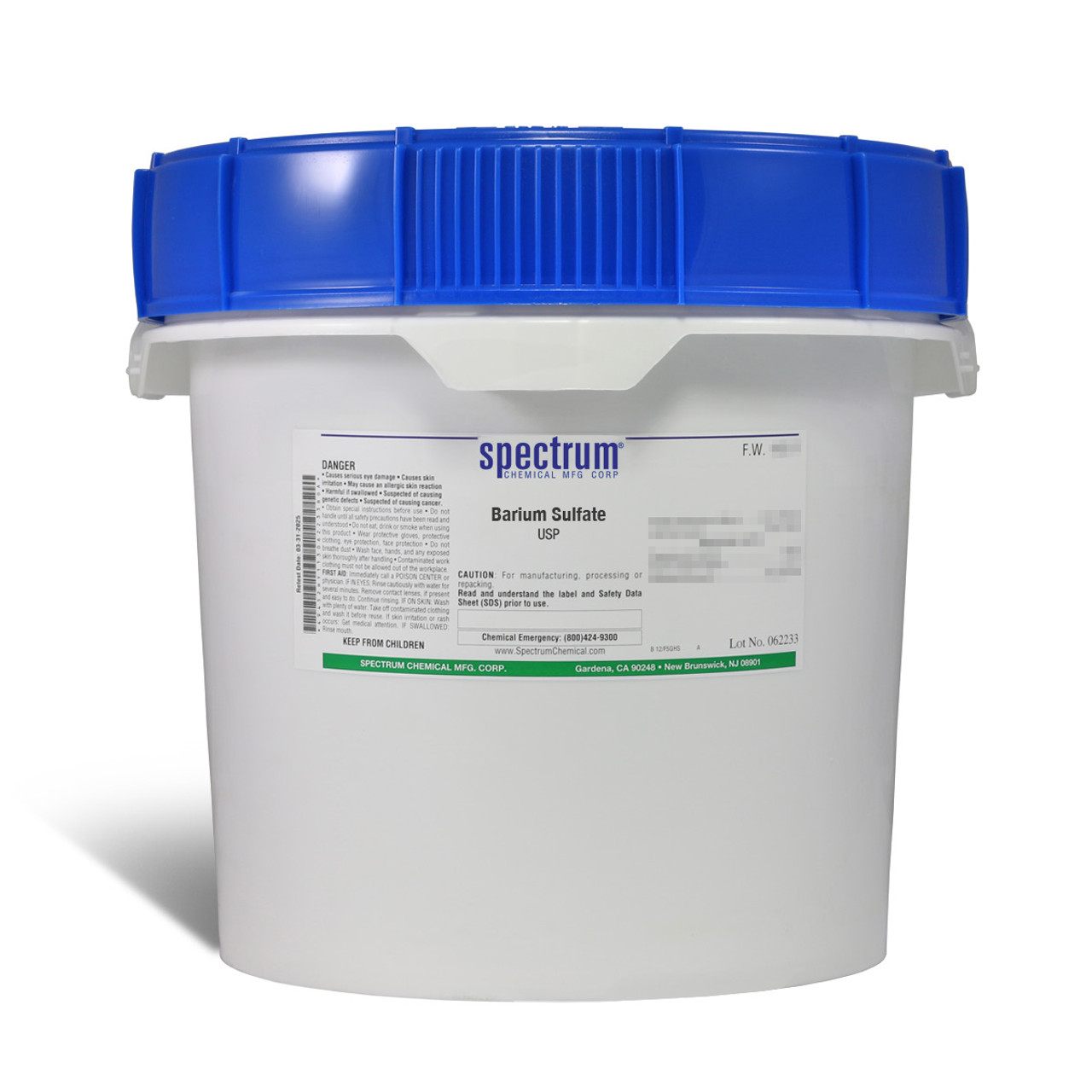
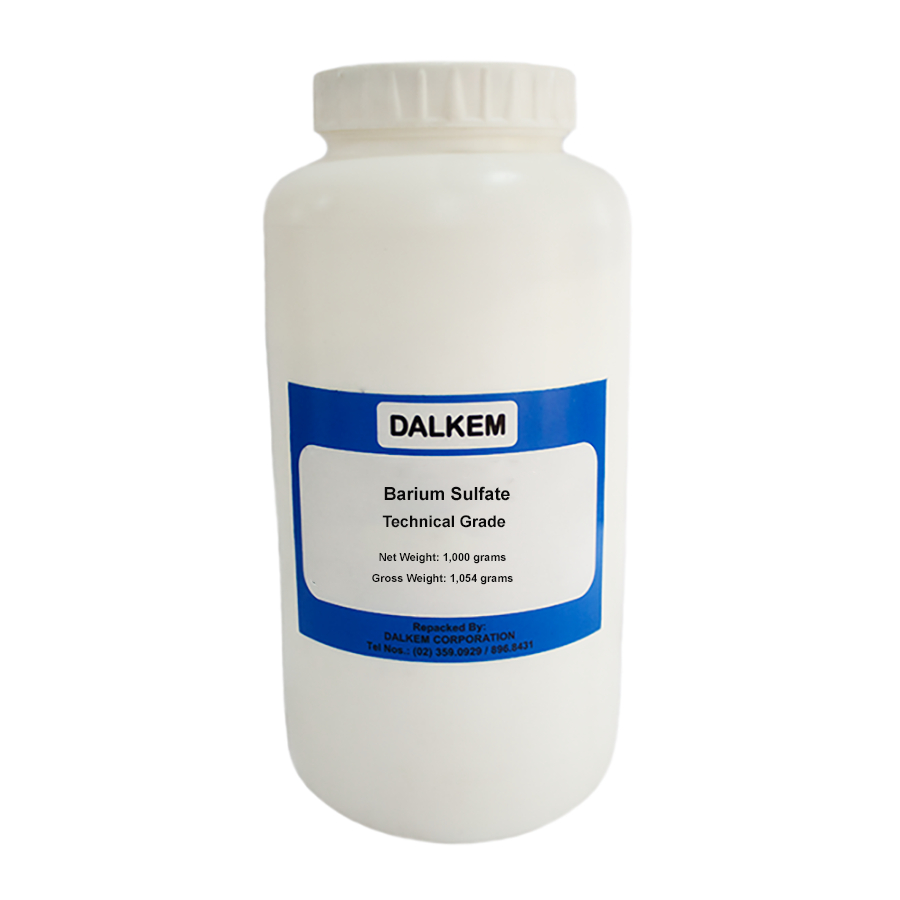
Description
Barium Sulfate: A Workhorse of Industry and Medicine
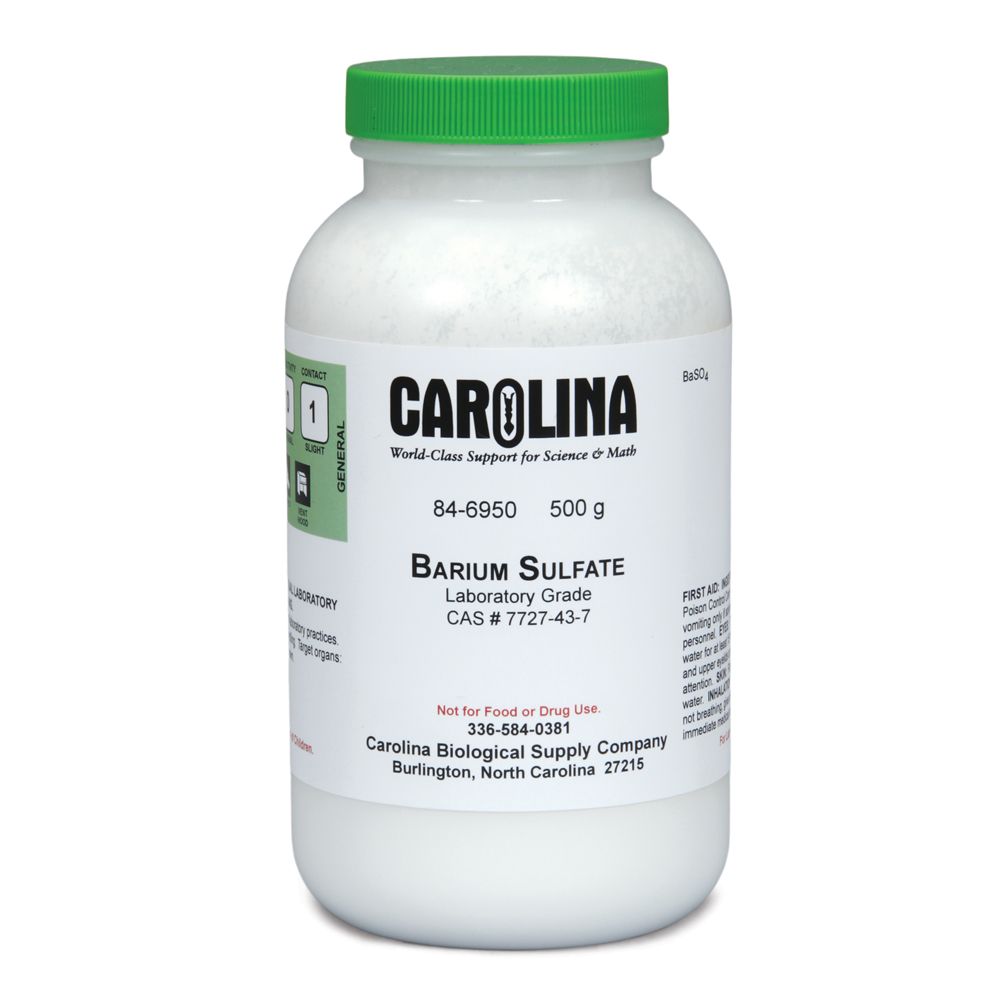
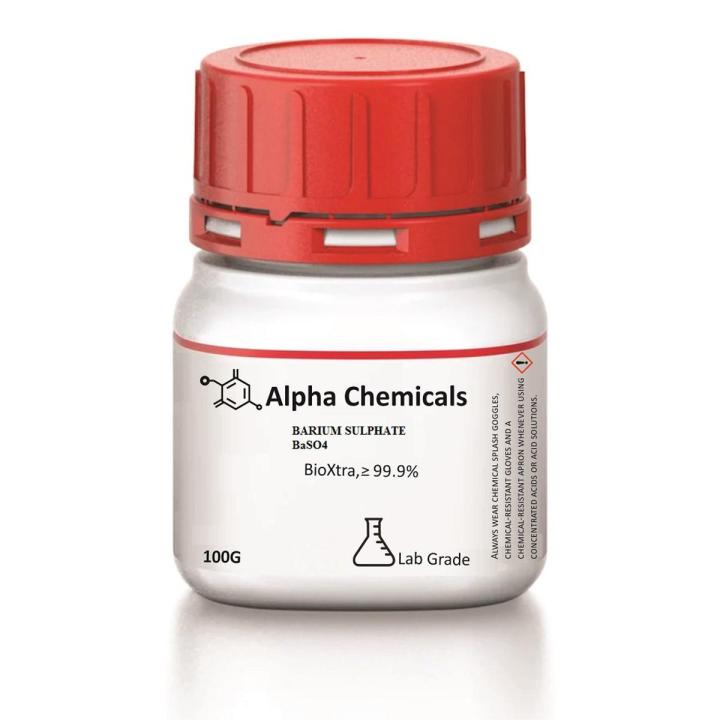
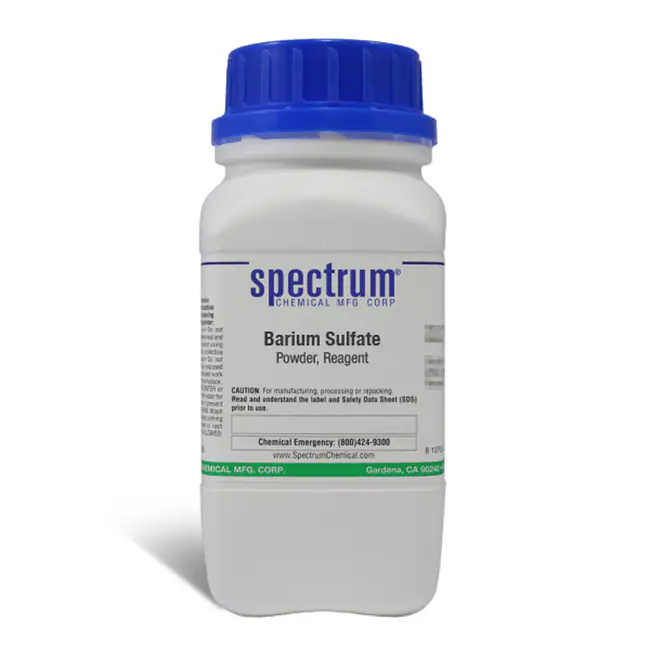
Barium sulfate (BaSO₄), also known as baryte, is an inorganic compound with a wide range of applications, stemming from its unique physical and chemical properties. This white, crystalline solid is remarkably insoluble in water and most common solvents, making it an ideal material for a variety of industrial and medical uses.
Industrial Applications: From Pigments to Drilling Fluid
Barium sulfate finds considerable application in the industrial sector, primarily due to its high density, chemical inertness, and opaqueness. Here’s a look at some key uses:
- Pigment: Barium sulfate is a common white pigment used in paints, coatings, plastics, and paper. Its high refractive index contributes to the opacity and brightness of these materials. It also acts as a filler, improving texture and reducing the use of more expensive pigments.
- Drilling Fluid: In the oil and gas industry, barium sulfate is a crucial component of drilling mud. Its high density increases the hydrostatic pressure in the wellbore, preventing blowouts by counteracting subsurface pressures. It also suspends drill cuttings and lubricates the drill bit.
- Plastics Filler: Barium sulfate is used as a filler in plastics to increase density, improve stiffness, and enhance resistance to chemicals and heat. It can also improve the dimensional stability and acoustic properties of the plastic.
- Other Industries: Barium sulfate is also employed in diverse industries such as rubber manufacturing (as a filler and reinforcing agent), glassmaking (as a fluxing agent), and even in the production of photographic paper.
Medical Applications: Visualizing the Digestive System
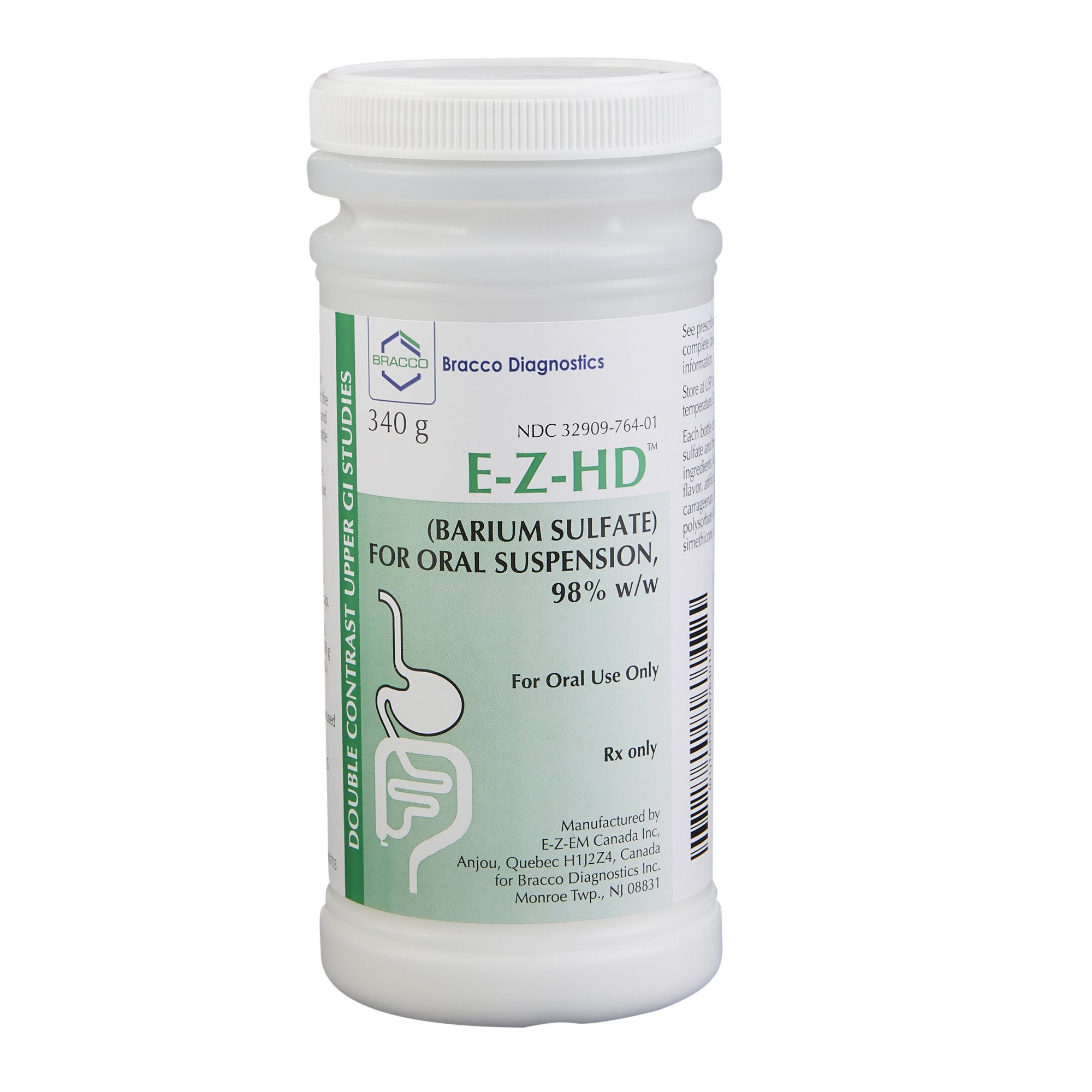
Barium sulfate plays a significant role in diagnostic medical imaging, particularly in the visualization of the gastrointestinal (GI) tract. Its high atomic number makes it radiopaque, meaning it absorbs X-rays effectively.
- Barium Contrast: When administered orally (as a “barium swallow”) or rectally (as a “barium enema”), barium sulfate coats the lining of the esophagus, stomach, and intestines. This allows radiologists to obtain clear X-ray images of these organs, enabling them to detect abnormalities such as ulcers, tumors, polyps, and blockages.
- Safety Considerations: While generally considered safe, barium sulfate can cause constipation. In rare cases, complications like barium impaction or aspiration can occur. Patients with a known allergy to barium or those with certain gastrointestinal conditions should inform their doctor before undergoing barium contrast studies.
Properties of Barium Sulfate
- Chemical Formula: BaSO₄
- Molar Mass: 233.39 g/mol
- Appearance: White, crystalline solid
- Density: 4.5 g/cm³
- Melting Point: 1,580 °C (2,876 °F; 1,853 K)
- Solubility: Practically insoluble in water, alcohol, and acids
Production of Barium Sulfate
Barium sulfate is primarily obtained from naturally occurring barite ore. The ore is often processed through crushing, grinding, and beneficiation techniques to increase the purity of the barium sulfate content. Synthetic barium sulfate can also be produced by reacting barium chloride with sulfuric acid or a soluble sulfate salt.
Conclusion
Barium sulfate is a versatile compound with widespread applications across various industries and in the field of medicine. Its unique combination of properties, including its high density, chemical inertness, and radiopacity, makes it an indispensable material for a wide range of applications. From enhancing the clarity of medical images to improving the properties of plastics and paints, barium sulfate continues to be a valuable and reliable material in modern society.


Reviews
There are no reviews yet.