



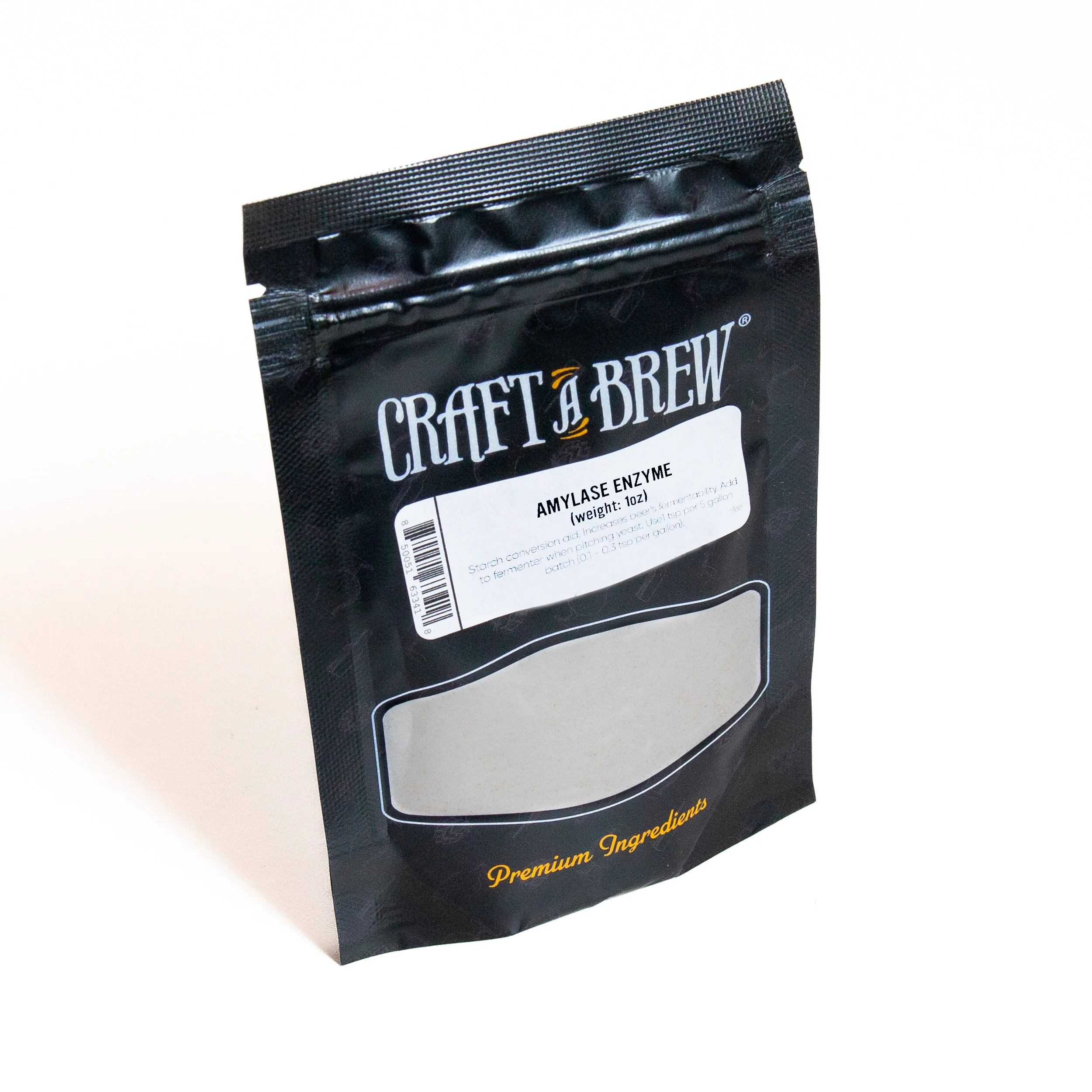

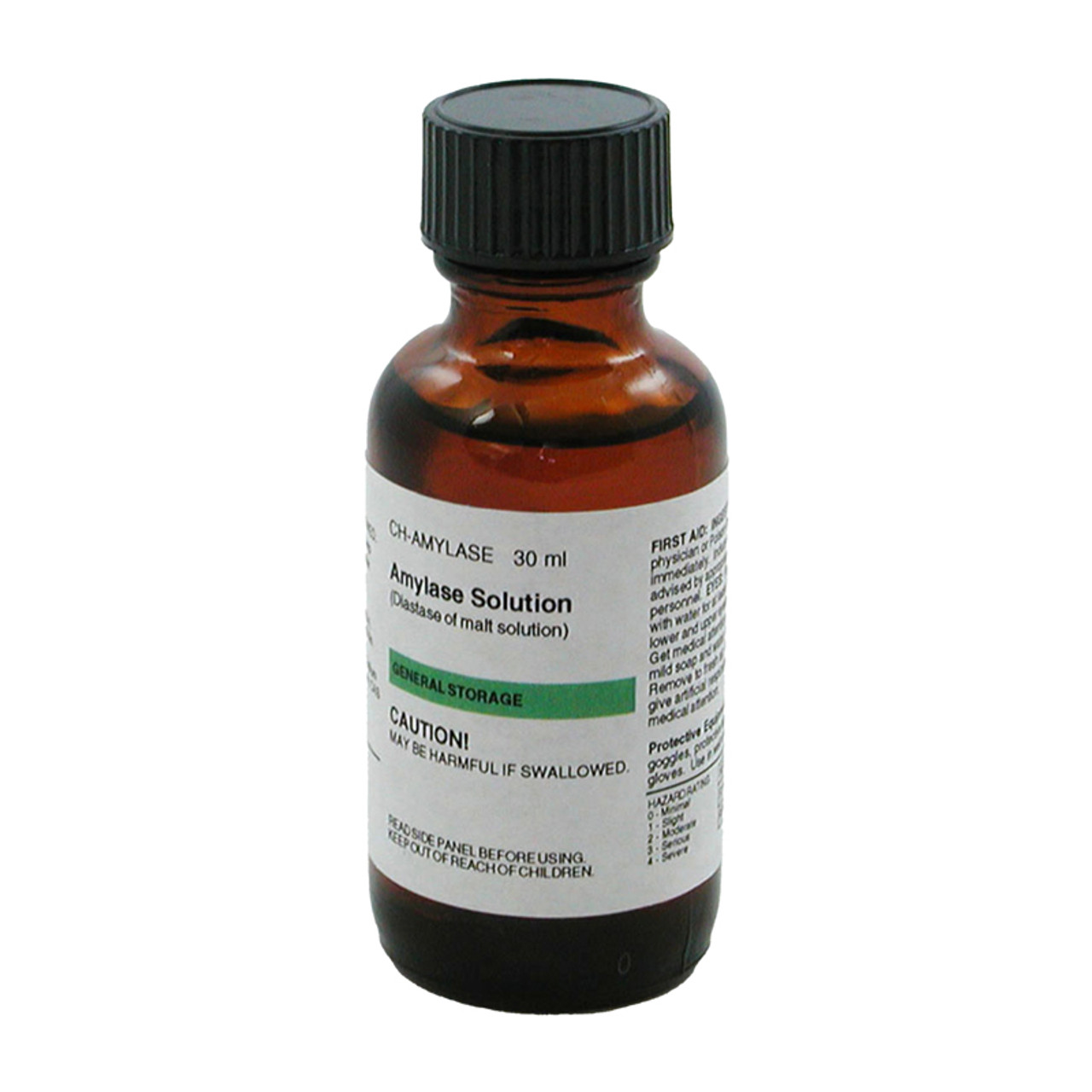

Description
Amylase: The Unsung Hero of Digestion and Beyond
Amylase, often overlooked, is a crucial enzyme playing a vital role in breaking down starch into simpler sugars. Found in both plants and animals, amylase is the key that unlocks the energy stored within complex carbohydrates, making it essential for digestion and playing surprisingly diverse roles beyond.
The Breakdown Artist: Amylase in Digestion
The primary function of amylase is to catalyze the hydrolysis of starch, a complex carbohydrate composed of many glucose molecules linked together. Think of starch as a long chain made of glucose beads; amylase is the enzyme that snips that chain into smaller, more easily absorbable pieces.
Humans produce two main types of amylase:
- Salivary Amylase (Ptyalin): This is where the magic begins! Secreted in saliva by the salivary glands, salivary amylase starts the digestive process in the mouth. As you chew, the enzyme begins breaking down starch into smaller polysaccharides, mainly dextrins and maltose. This is why starchy foods, like bread or potatoes, start to taste sweeter the longer you chew them.
- Pancreatic Amylase: As food travels down the esophagus to the small intestine, pancreatic amylase, secreted by the pancreas, takes over. Working in the duodenum (the first part of the small intestine), pancreatic amylase further breaks down the remaining starches into maltose and glucose, which can then be absorbed into the bloodstream.
Without amylase, our bodies would struggle to extract energy from starchy foods. Undigested starch could lead to bloating, gas, and malabsorption of other nutrients.
Beyond Digestion: Other Roles and Sources of Amylase
While predominantly known for its digestive role, amylase has other significant functions in various organisms and industrial applications:
- Plants: Amylase is crucial for seed germination. As a seed sprouts, amylase breaks down the stored starch within the seed, providing the developing plant with the energy it needs to grow.
- Microorganisms: Certain bacteria and fungi produce amylase to break down starch in their environment, allowing them to access glucose for energy. This property is exploited in various industrial processes.
Amylase in Industry and Medicine
The ability of amylase to break down starch has led to its widespread use in various industries:
- Food Industry: Amylase is used to improve the texture and flavor of baked goods, convert starch to sugar in brewing beer, and produce high-fructose corn syrup.
- Textile Industry: Amylase is used in the desizing process, removing starch coatings applied to fabrics during weaving to improve their printability and dyeability.
- Detergent Industry: Amylase is added to laundry detergents to help break down starch-based stains, such as food spills.
- Medical Diagnostics: Amylase levels in blood and urine are often measured to diagnose pancreatic disorders, such as pancreatitis or pancreatic cancer. Elevated amylase levels can indicate that the pancreas is inflamed or damaged.
Amylase Deficiency and Potential Problems
While less common, amylase deficiency can occur, leading to digestive issues. Symptoms may include bloating, diarrhea, and abdominal pain after consuming starchy foods. Treatment typically involves enzyme supplementation to help digest starch properly.
In conclusion, amylase is a vital enzyme with a crucial role in breaking down starch for energy. From the first bite of food to its various industrial applications, amylase plays a much larger role in our lives than we often realize. Understanding its function and potential implications is essential for maintaining good health and appreciating the intricate workings of the human body and the world around us.



Reviews
There are no reviews yet.