
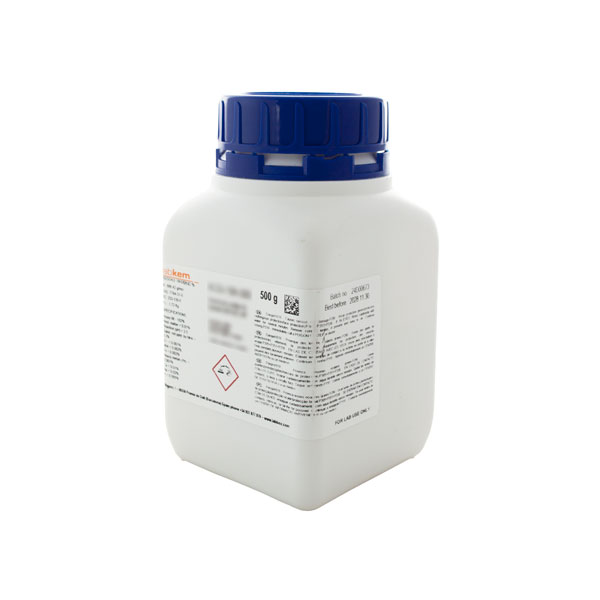
Description
Ammonium Persulfate: A Versatile Compound with Diverse Applications
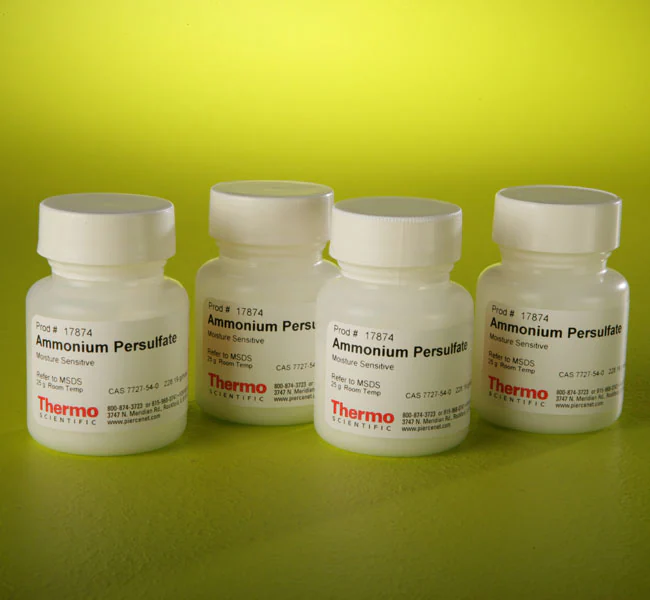
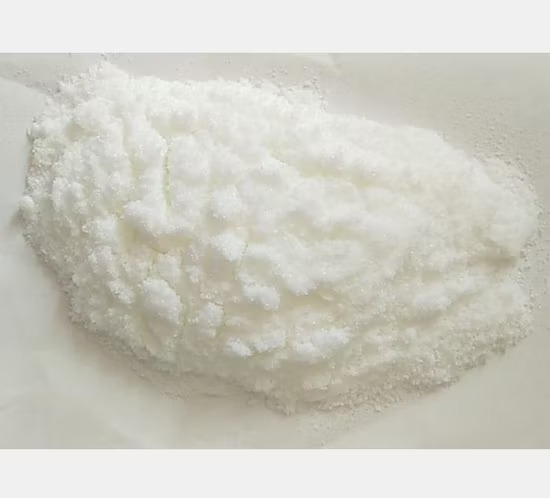
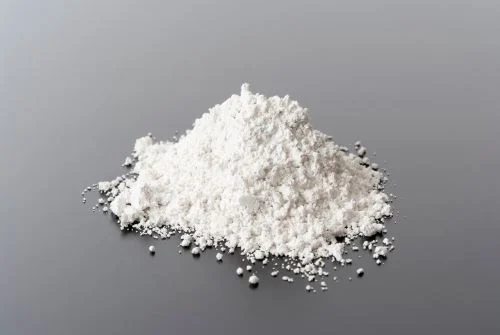
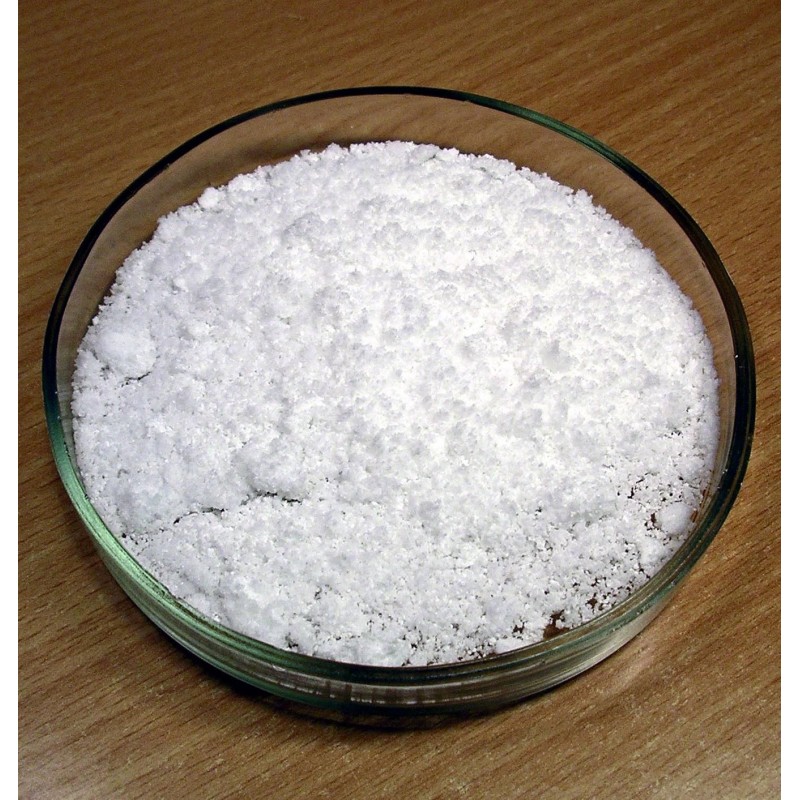
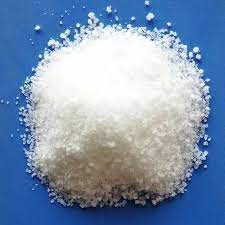
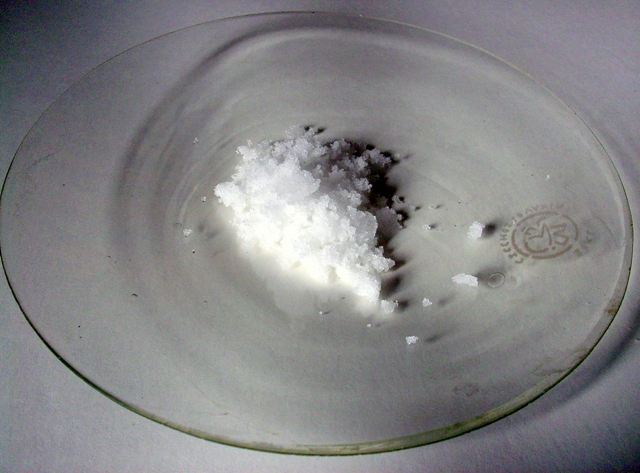
Ammonium persulfate (APS), a white crystalline solid, is a powerful oxidizing agent with a wide range of applications. Its versatility stems from its ability to generate free radicals in aqueous solution, making it a key ingredient in various industries, from polymer chemistry to cleaning solutions. Let’s delve into the properties and applications of this fascinating compound.
Understanding Ammonium Persulfate:
APS, with the chemical formula (NH₄)₂S₂O₈, is an inorganic salt derived from peroxydisulfuric acid. It’s soluble in water and decomposes upon heating, releasing oxygen and forming ammonium sulfate. The decomposition is accelerated by heat, light, and the presence of certain metal ions.
The key to APS’s effectiveness lies in its ability to generate sulfate radicals (SO₄⁻•) when dissolved in water. These highly reactive free radicals initiate a variety of chemical reactions, making APS a valuable tool in diverse applications.
Key Applications of Ammonium Persulfate:
- Polymer Chemistry: This is arguably the most significant application of APS. It acts as an initiator for polymerization reactions, especially in the production of acrylic and vinyl polymers. The sulfate radicals generated by APS initiate the chain reaction, leading to the formation of long polymer chains. This is crucial in the manufacturing of plastics, adhesives, and various coatings.
- Etching and Cleaning: Due to its oxidizing nature, APS is used as an etchant in the electronics industry, particularly for cleaning and etching printed circuit boards (PCBs). It removes unwanted copper layers, leaving behind the desired circuit patterns. It’s also used in cleaning solutions for metal surfaces, effectively removing rust and corrosion.
- Hair Bleaching and Lightening: APS is a common ingredient in hair bleaching products. It’s used to lighten hair color by oxidizing the melanin pigment. However, it’s important to note that APS can cause skin irritation and allergic reactions in some individuals, hence the need for proper handling and formulation.
- Soil Remediation: In environmental applications, APS is used for in-situ chemical oxidation (ISCO) of contaminated soil and groundwater. It oxidizes organic pollutants, breaking them down into less harmful substances. This makes it a valuable tool for cleaning up contaminated sites.
- Laboratory Reagent: APS is a standard reagent in laboratory settings, frequently used for its oxidizing properties. It can be used for various analytical techniques and chemical synthesis.
Safety Considerations:
While APS is a versatile and useful compound, proper handling is crucial. It’s a strong oxidizer and can cause skin and eye irritation. Dust inhalation should be avoided as it can irritate the respiratory tract. When working with APS, it’s essential to wear appropriate personal protective equipment (PPE) such as gloves, eye protection, and a respirator if necessary. Storage should be in a cool, dry place away from combustible materials.
Looking Ahead:
Ammonium persulfate continues to be a vital compound across various industries. Ongoing research is exploring new applications and improving existing processes involving APS. Its effectiveness, relatively low cost, and versatility make it a desirable choice for many applications requiring a powerful oxidizing agent.
In conclusion, ammonium persulfate is a powerful and versatile chemical compound with a broad range of applications. Understanding its properties and safety considerations is crucial for its effective and safe use. As research and development continue, we can expect to see further innovations and applications leveraging the unique properties of this valuable chemical.
Reviews
There are no reviews yet.