



Description
1. Product Overview
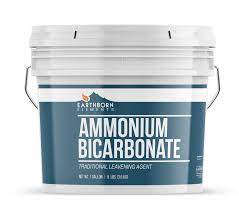
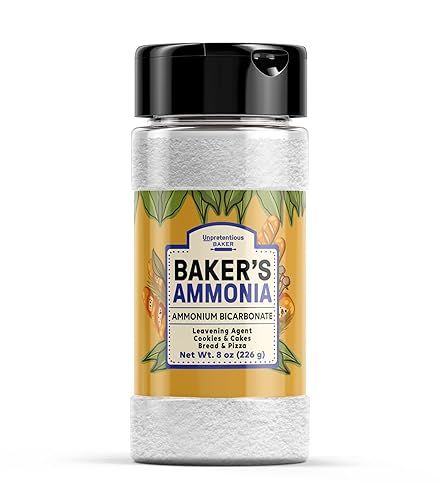
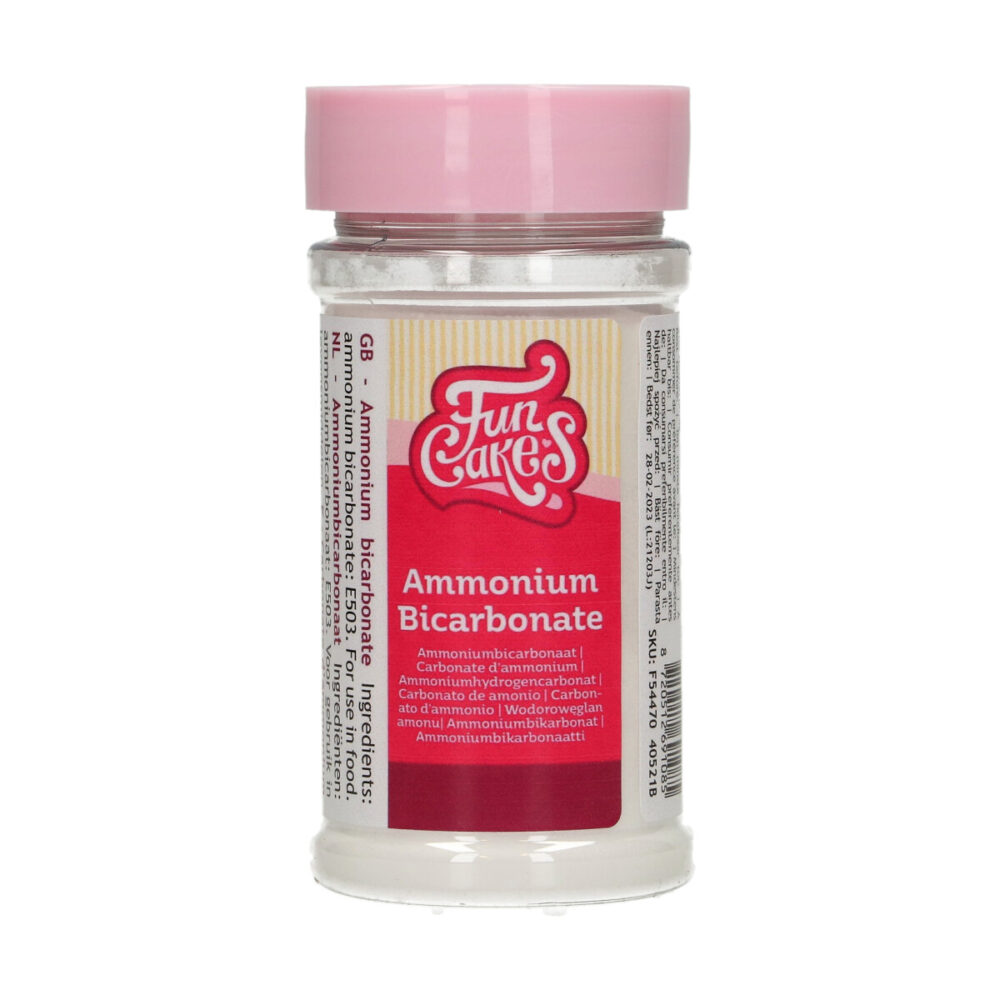
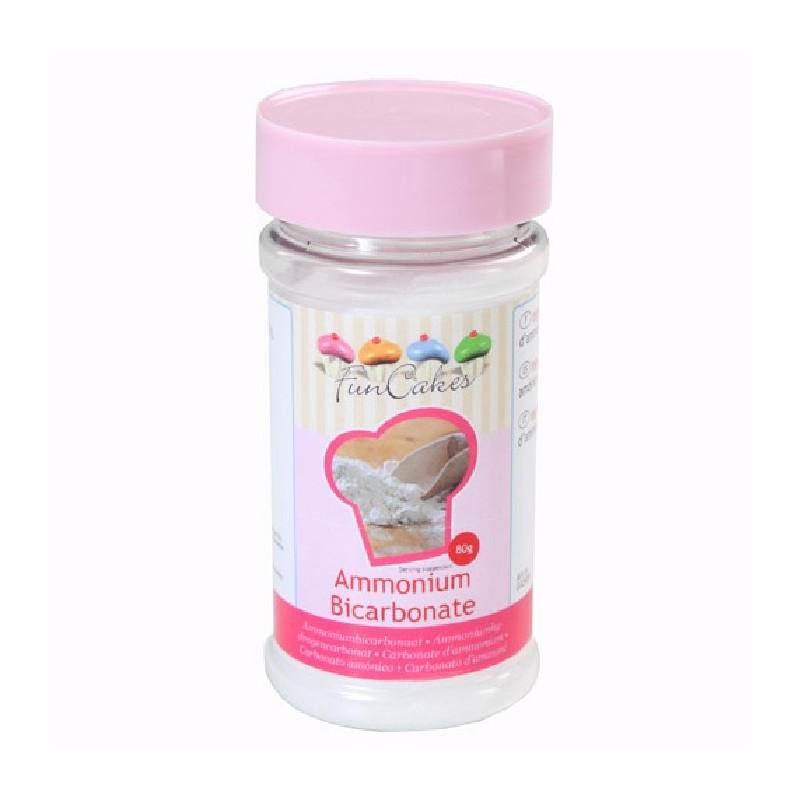
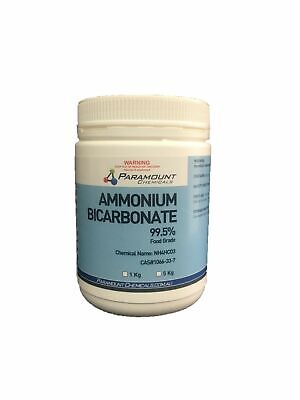
Ammonium Bicarbonate is a high-purity inorganic compound widely used in industrial, chemical, and food processing sectors. Its primary industrial use is as a leavening agent, pH regulator, and chemical intermediate in the production of fertilizers, explosives, and specialty chemicals. The key value proposition lies in its versatility, cost-efficiency, and ability to release controlled amounts of ammonia and carbon dioxide under heat, enabling precise process control. Strategically, it is essential for manufacturers seeking reliable, high-quality feedstock for bulk chemical operations, agricultural inputs, and industrial formulations. Its role in multiple value chains makes it a critical commodity in both domestic and global markets.
2. Key Specifications & Technical Characteristics
- Chemical Composition / Material Components: NH₄HCO₃ (Ammonium Bicarbonate)
- Purity Level / Grade: Industrial grade ≥ 99%
- Physical Characteristics:
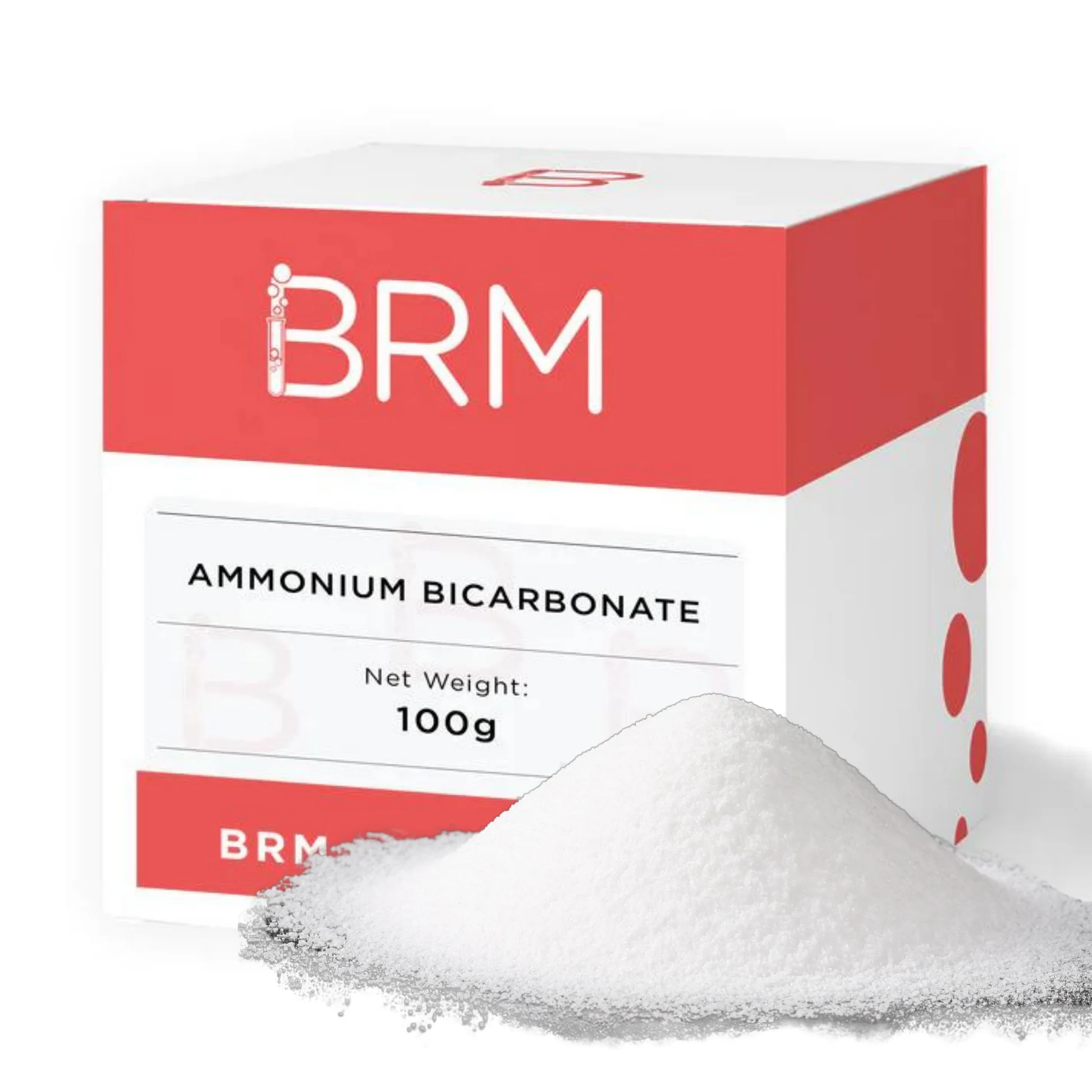
- Form: Fine crystalline powder
- Color: White
- Solubility: Highly soluble in water
- Density: 1.6 g/cm³ (approx.)
- Particle Size: Bulk granular or fine powder, batch-specific
- Packaging Options:
- 25 kg or 50 kg kraft bags with inner polyethylene lining
- Bulk packaging in jumbo bags or ISO containers upon request
- Shelf Life: Stable under dry, cool conditions; typically 12 months with proper storage
3. Core Industrial Applications
Primary Industries:
- Fertilizer and agrochemical manufacturers
- Food and baking industry
- Explosives and chemical intermediate production
- Pharmaceutical and laboratory chemical sectors
Operational Use Cases:
- Source of ammonia and carbon dioxide in chemical reactions
- Leavening agent in industrial baking and food production
- pH control and buffering in chemical processes
- Raw material for ammonium salts and specialty chemicals
Performance & Cost Advantages:
Ammonium Bicarbonate delivers predictable decomposition and high solubility, ensuring process efficiency and product consistency. Its industrial-grade quality provides a cost-effective alternative to higher-cost chemicals while maintaining functional performance across multiple applications.
4. Competitive Advantages
- Quality Consistency: Uniform particle size and high purity for industrial use
- Supply Reliability: Continuous production from established chemical manufacturers
- Logistics Capability: Efficient bulk and packaged handling with compliant transport
- Price Competitiveness: Economical alternative to similar ammonia-releasing compounds
- Sustainability Benefits: Supports reduced chemical waste and optimized process efficiency
- Technical Support: Detailed product specifications, COA, and SDS available
Positioned as a strategic sourcing choice, Ammonium Bicarbonate enables industrial buyers to optimize chemical process efficiency, reduce raw material costs, and secure a reliable supply for critical manufacturing operations.
5. Commercial & Supply Information
- Minimum Order Quantity (MOQ): BULK 20MT
- Loading Capacity (MT per container): Approximately 20–22 MT per 20’ ISO tank container (subject to packaging and density)


Reviews
There are no reviews yet.