
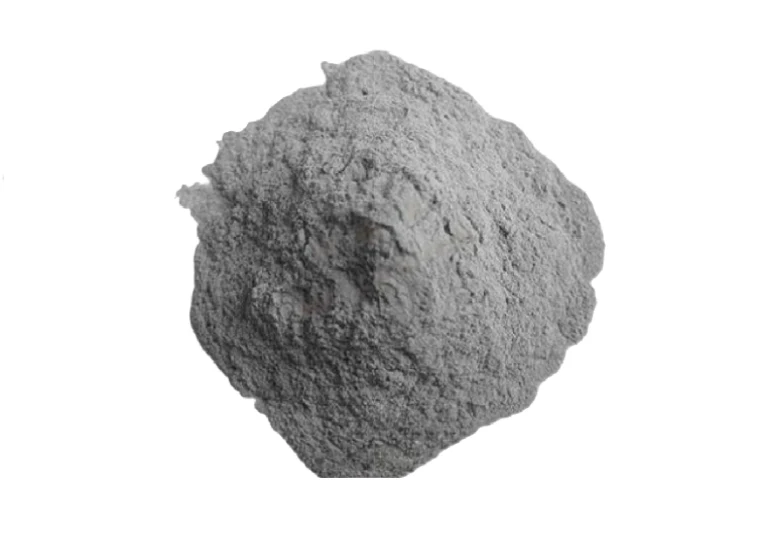
Description
The Unsung Hero: How Aluminum-Doped Lithium Phosphate is Elevating Battery Performance
In the relentless pursuit of more powerful, safer, and longer-lasting lithium-ion batteries, engineers and material scientists are constantly pushing the boundaries of electrode materials and electrolytes. While much attention rightly goes to new cathode and anode chemistries, a quieter revolution is happening within the battery’s very heart: the electrolyte. And within this complex chemical soup, a seemingly modest additive – aluminum-doped lithium phosphate – is emerging as a critical player.
The Crucial Role of Electrolyte Additives
The electrolyte in a lithium-ion battery serves as the medium for lithium-ion transport between the anode and cathode during charging and discharging. Ideally, it should be highly conductive, chemically stable, and non-reactive with other battery components. However, real-world electrolytes often fall short, leading to issues like:
- Solid Electrolyte Interphase (SEI) Instability: A protective layer that forms on the anode surface, the SEI is vital for battery performance. An unstable or poorly formed SEI can lead to continuous electrolyte decomposition, rapid capacity fade, and even safety hazards.
- Dendrite Growth: Especially prevalent in lithium metal batteries, uncontrolled lithium plating can form needle-like “dendrites” that pierce the separator, causing short circuits and thermal runaway.
- Electrolyte Decomposition: Side reactions can consume electrolyte, generate gases, and reduce the battery’s lifespan.
- Limited Operating Range: Performance often degrades at extreme temperatures.
This is where electrolyte additives come in. Like vitamins for the electrolyte, they are present in small concentrations but play a disproportionately significant role in mitigating these problems, enhancing performance, and extending battery life.
Lithium Phosphate (Li3PO4) as a Foundational Additive
Lithium phosphate (Li3PO4), often abbreviated as LPO, is an inorganic compound known for its high thermal and chemical stability. When used as an electrolyte additive, its primary benefit stems from its ability to contribute to the formation of a robust and stable SEI layer on the anode surface.
Here’s how it generally works: As the battery starts its initial charge cycles, some Li3PO4 molecules can decompose or react at the anode-electrolyte interface. The resulting products, rich in lithium, oxygen, and phosphorus, form a dense and uniform passivation layer. This layer acts as a barrier, preventing direct contact between the active electrode material and the bulk electrolyte, thereby suppressing further electrolyte decomposition and improving the overall stability of the anode.
The Enhancement: Aluminum Doping
While Li3PO4 offers good benefits on its own, doping it with aluminum (Al) takes its performance to the next level. Aluminum ions (Al3+) are strategically introduced into the Li3PO4 crystal lattice. This doping can achieve several critical improvements:
- Enhanced Ionic Conductivity: Aluminum doping can create more lithium vacancies within the Li3PO4 structure. These vacancies act as passageways, making it easier for lithium ions to move through the SEI layer. A more conductive SEI means less resistance to lithium-ion flow, leading to improved power capability and potentially faster charging and more efficient discharging.
- Increased SEI Robustness and Uniformity: The presence of aluminum can lead to the formation of a more compact, uniform, and mechanically stable SEI. Aluminum is known to form strong bonds with oxygen, which can strengthen the phosphate-rich protective layer. A more resilient SEI is better at withstanding volume changes of the electrode during cycling, preventing cracks and electrolyte exposure.
- Improved Thermal Stability: Al-doped Li3PO4 contributes to a SEI that is more thermally stable, reducing the likelihood of uncontrolled exothermic reactions at elevated temperatures – a crucial factor for battery safety.
- Suppression of Dendrite Growth: By promoting a more uniform and dense lithium plating (due to the improved SEI and ionic transport), aluminum-doped Li3PO4 can help suppress the formation of dangerous lithium dendrites, extending the lifespan and enhancing the safety of high-energy lithium metal batteries.
The Tangible Benefits for Batteries
For battery manufacturers and consumers alike, the integration of aluminum-doped lithium phosphate as an electrolyte additive translates into significant advantages:
- Longer Cycle Life: A stable and resilient SEI minimizes continuous electrolyte consumption and anode degradation, allowing the battery to endure many more charge-discharge cycles without significant capacity loss.
- Higher Capacity Retention: Less electrolyte decomposition and a better functioning SEI mean more active lithium ions are available for energy storage over time.
- Enhanced Safety: Reduced side reactions, suppressed dendrite formation, and improved thermal stability significantly lower the risk of internal short circuits, gassing, and thermal runaway.
- Improved Rate Capability: Faster lithium-ion transport across the SEI allows for quicker charging and more efficient power delivery during discharge.
- Wider Operating Temperature Range: The more stable SEI can maintain its integrity across a broader temperature spectrum, improving performance in both hot and cold conditions.
Future Outlook
Aluminum-doped lithium phosphate represents a clever and effective strategy to enhance battery performance without drastically altering core battery chemistries. As the demand for higher energy density, faster charging, and safer batteries continues to grow across electric vehicles, portable electronics, and grid storage, research into advanced electrolyte additives like this will remain paramount. Optimizing the concentration, understanding its interaction with various electrode materials, and exploring new doping strategies will pave the way for the next generation of truly transformative lithium-ion battery technology.
In the intricate world of battery science, sometimes the most profound improvements come not from a grand overhaul, but from the subtle, yet powerful, influence of a thoughtfully designed additive. Aluminum-doped lithium phosphate is a testament to this principle.




Reviews
There are no reviews yet.