
Description
1. Product Overview
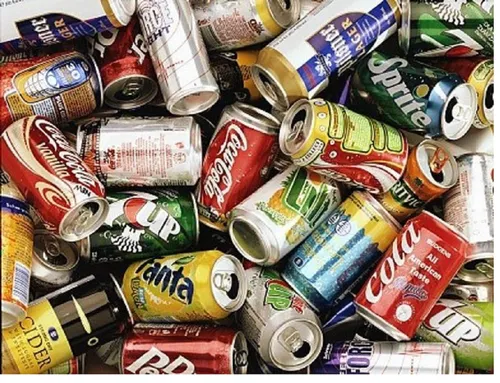
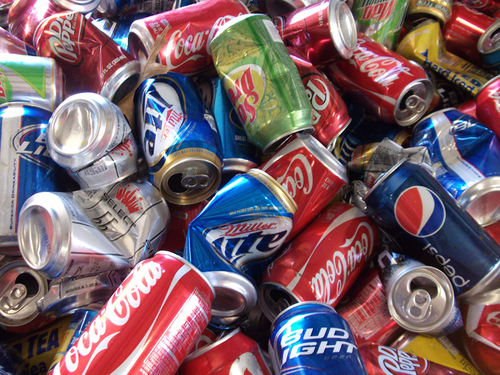
Aluminum Can Scrap consists of post-consumer or post-industrial used beverage cans (UBC) that have been collected, sorted, and processed for recycling and re-melting. It serves as a critical secondary raw material for aluminum smelters, rolling mills, and metal recycling facilities seeking high-efficiency feedstock for aluminum production. The key value proposition lies in its high aluminum recovery rate, reduced energy requirements compared to primary aluminum production, and strong demand across global recycling supply chains. As industries accelerate circular economy initiatives and carbon reduction strategies, aluminum can scrap has become strategically important for cost-effective and sustainable metal sourcing.
2. Key Specifications & Technical Characteristics
- Material Composition: Primarily aluminum alloy from beverage cans (commonly AA3004 / AA3104 series)
- Purity Level: Typically 95%–98% aluminum content depending on sorting and processing
- Contaminants: Minimal non-metal attachments such as coatings, paint, or residual labels (within industry recycling standards)
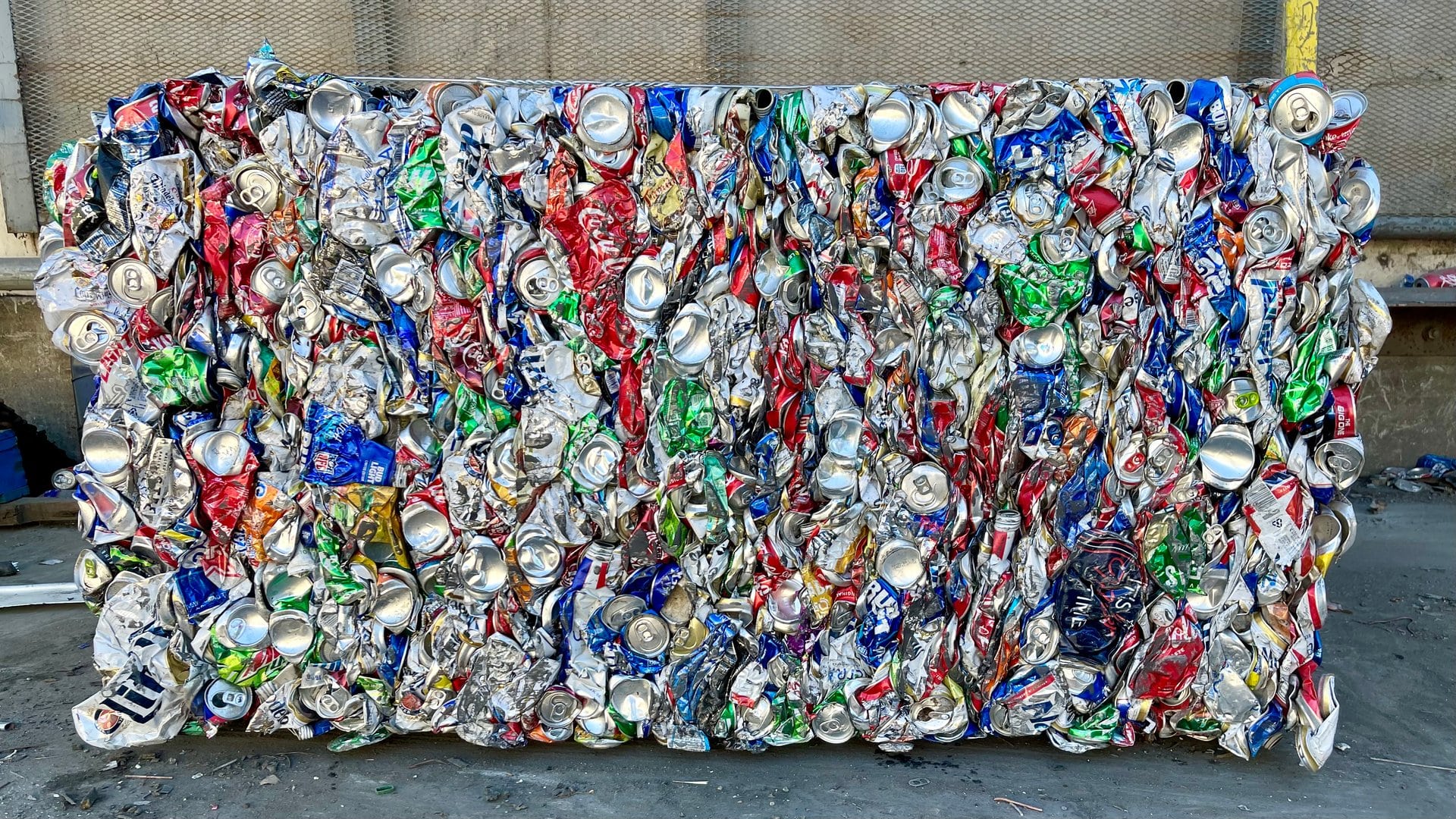
- Physical Form: Compacted bales, shredded pieces, or loose flattened cans
- Color: Silver metallic with printed surface coatings
- Bulk Density: Approximately 0.25–0.35 MT per cubic meter (depending on bale compression)
- Moisture Content: Low moisture levels compliant with recycling industry standards
- Packaging Options:
- Compressed bales
- Shredded bulk loads
- Containerized scrap shipments
- Shelf Life: Indefinite when stored in dry, controlled conditions
3. Core Industrial Applications
Primary Industries:
- Aluminum recycling and secondary smelting plants
- Rolling mills and metal foundries
- Packaging and beverage can manufacturing
- Automotive and industrial aluminum component producers
Operational Use Cases:
- Re-melting and alloy recovery for aluminum sheet production
- Feedstock for new beverage can manufacturing (closed-loop recycling)
- Production of aluminum billets, ingots, and rolled aluminum products
Performance Advantages:
Aluminum can scrap offers superior material recovery rates and significantly lower energy consumption compared to primary aluminum extraction from bauxite. Recycling aluminum requires up to 95% less energy than primary production, making it highly cost-efficient for manufacturers. Additionally, the relatively uniform alloy composition of beverage cans ensures consistent melting performance and predictable metallurgical output for industrial processing.
4. Competitive Advantages
- Quality Consistency: Carefully sorted and processed scrap to maintain high aluminum recovery rates
- Supply Reliability: Stable sourcing networks and scalable supply capacity for industrial buyers
- Logistics Capability: Efficient global shipping and containerized bulk loading for international trade
- Price Competitiveness: Lower cost compared to primary aluminum feedstock with strong recycling value
- Sustainability Benefits: Supports circular economy initiatives and significant carbon footprint reduction
- Technical Documentation: Available material specifications and quality verification upon request
5. Commercial & Supply Information
- Minimum Order Quantity (MOQ): BULK 20 MT
- Loading Capacity: Approximately 20–25 MT per 40’ container depending on bale density and packaging format
Reviews
There are no reviews yet.