
Description
1. Product Overview
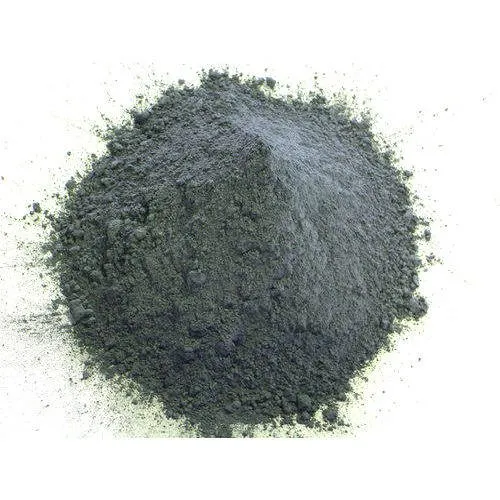
Alloy Dust is a fine particulate by-product generated during alloy production, smelting, and metal processing operations. Containing recoverable metallic elements such as iron, nickel, chromium, manganese, or other alloying components (grade dependent), it serves as a valuable secondary raw material for metallurgical recovery and alloy reprocessing. Alloy Dust provides industrial buyers with a cost-efficient alternative to primary metal inputs while improving overall material yield. In an environment of increasing raw material costs and sustainability mandates, this product represents a strategically important solution for optimizing resource efficiency and strengthening supply chain resilience.
2. Key Specifications & Technical Characteristics
- Chemical Composition:
- Metallic content: Iron (Fe), Nickel (Ni), Chromium (Cr), Manganese (Mn), or other alloy elements (composition varies by source)
- Recoverable metal percentage: Typically 20%–70% total metallic content (grade dependent)
- Trace elements: Silicon (Si), Carbon (C), Sulfur (S), Phosphorus (P), and other residuals (as per assay report)
- Purity / Grade:
- Industrial-grade alloy-bearing dust
- Customizable grades based on metal recovery or blending requirements
- Physical Characteristics:
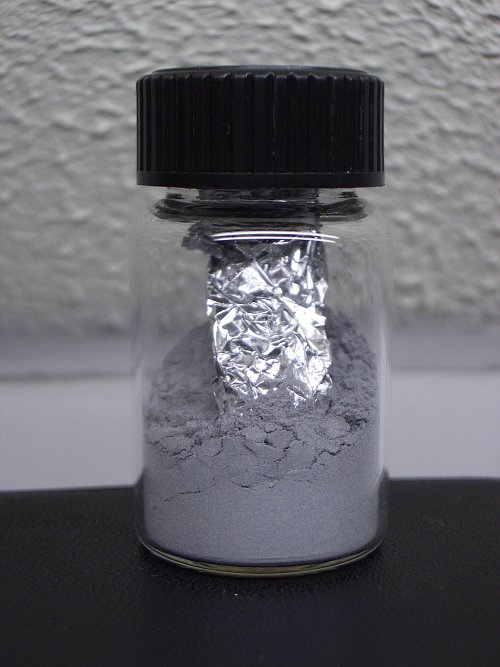
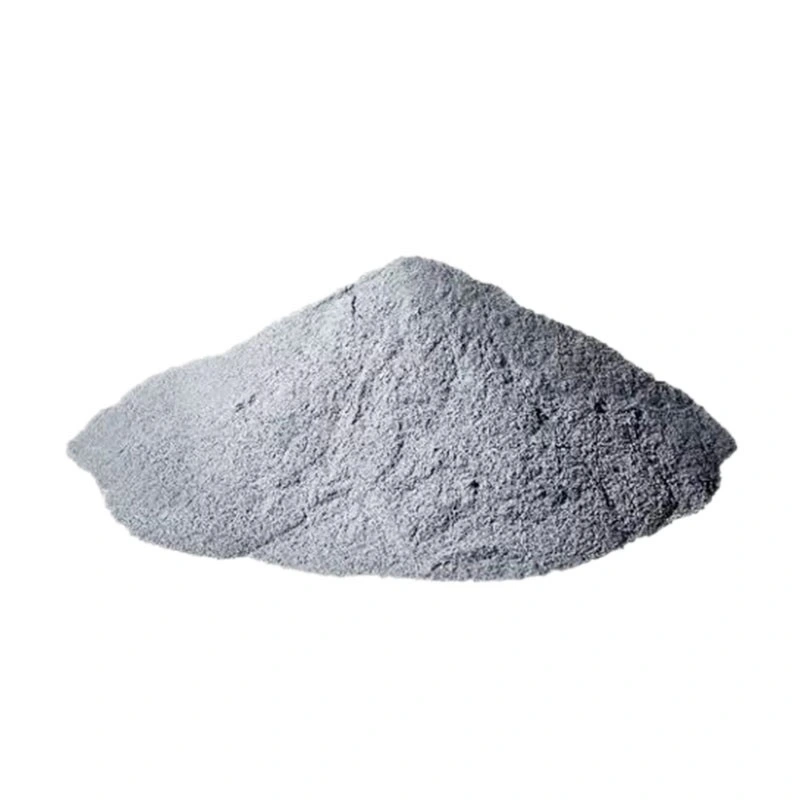
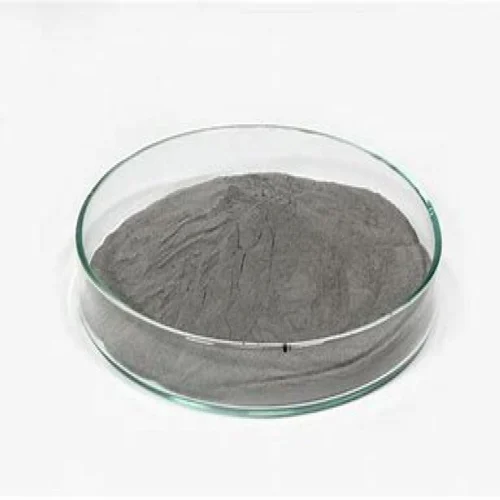
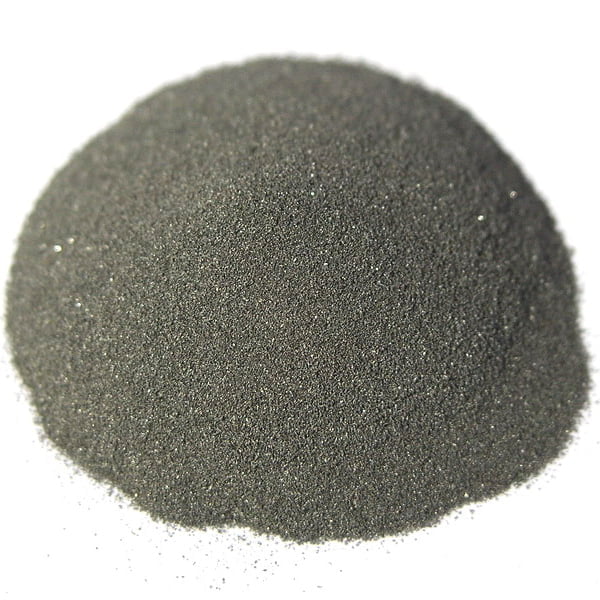
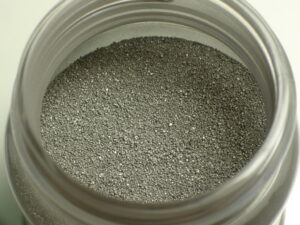
- Form: Fine powder/dust
- Color: Grey to dark metallic appearance
- Particle size: Fine particulate (micron to small granular range)
- Moisture content: Controlled and minimized
- Bulk density: In line with metallurgical handling standards
- Packaging Options:
- 1 MT jumbo bags (FIBC)
- Steel drums
- Bulk loading upon request
- Shelf Life:
- Stable under dry storage conditions
- Recommended storage: Sealed, moisture-controlled environment to prevent oxidation and agglomeration
3. Core Industrial Applications
Primary Industries:
- Ferroalloy and specialty alloy production
- Stainless and carbon steel manufacturing
- Metal recovery and recycling facilities
- Foundry and casting operations
Operational Use Cases:
- Secondary feedstock in alloy smelting and charge mix optimization
- Recovery of valuable metallic units through pyrometallurgical processing
- Cost-efficient blending material in steel and alloy production
- Raw material input for re-melting and refining operations
Performance & Commercial Advantages:
- Delivers recoverable metal units at lower cost compared to primary raw materials
- Enhances charge mix flexibility and production efficiency
- Reduces overall cost per ton of finished alloy
- Supports circular economy initiatives and ESG objectives
- Compatible with standard smelting and metal recovery systems
4. Competitive Advantages
- Quality Consistency: Batch-controlled sourcing with comprehensive chemical analysis ensuring predictable recovery performance.
- Supply Reliability: Scalable bulk volumes with steady production output to support long-term procurement strategies.
- Logistics Capability: Export-compliant packaging, international freight coordination, and containerized bulk handling expertise.
- Price Competitiveness: Metal-content-based pricing structure optimizing cost per recoverable unit.
- Sustainability: Promotes secondary metal utilization, reducing dependence on primary mining and lowering environmental footprint.
- Technical Support: Detailed assay reports, MSDS documentation, and technical consultation available upon request.
Alloy Dust is positioned as a strategic sourcing decision for industrial buyers seeking cost optimization, supply security, and sustainable metallurgical operations.
5. Commercial & Supply Information
- Minimum Order Quantity (MOQ): BULK 20 MT
- Loading Capacity:
- 20’ Container: Approx. 20–22 MT
- 40’ Container: Approx. 26–28 MT (subject to packaging configuration)


Reviews
There are no reviews yet.