
Description
Alkaline Protease: A Powerful Enzyme with Diverse Applications
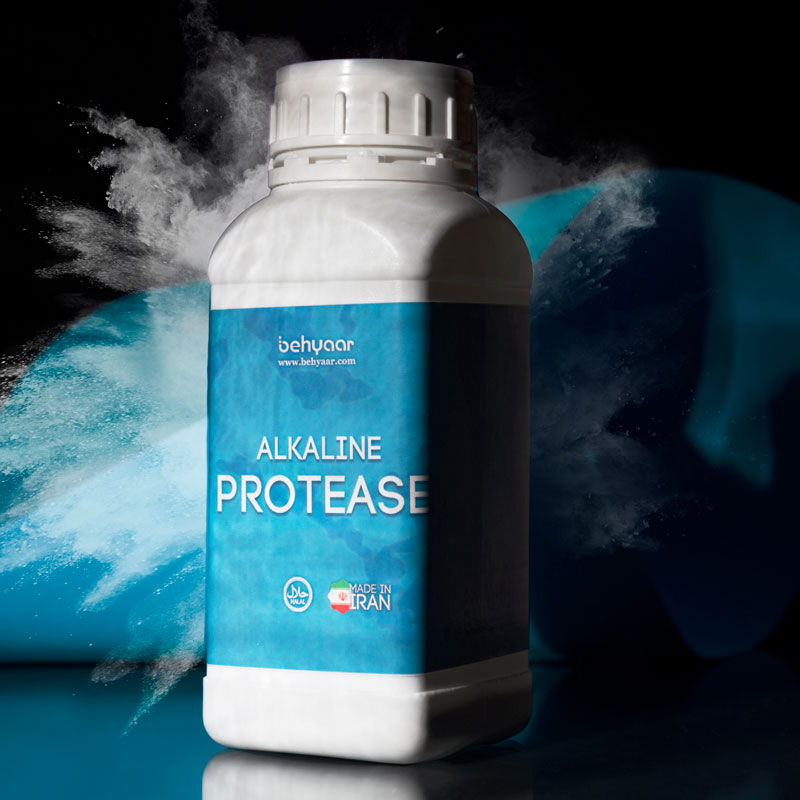
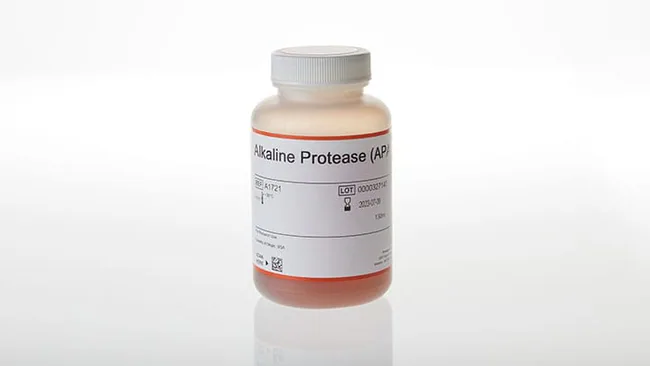
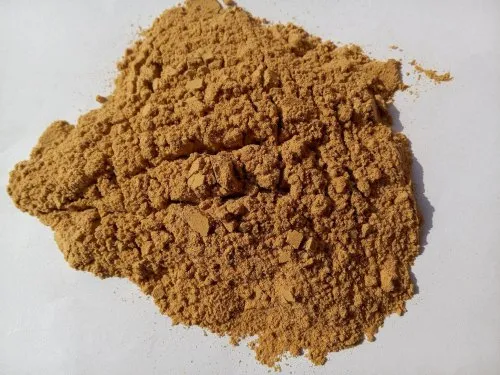
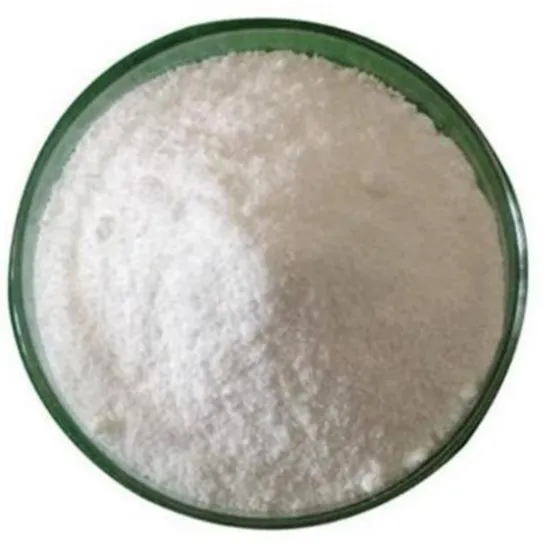
Alkaline protease, also known as serine protease, is a fascinating and incredibly useful enzyme belonging to the family of proteases. These enzymes are distinguished by their optimal activity in alkaline environments, typically with a pH range of 8-12. Their ability to efficiently break down proteins under these conditions makes them indispensable in various industries, from detergent manufacturing to food processing and even pharmaceuticals.
Understanding Alkaline Protease and its Mechanism
Proteases, in general, catalyze the hydrolysis of peptide bonds in proteins, effectively breaking them down into smaller peptides and amino acids. Alkaline proteases, as their name suggests, perform this crucial role most effectively in alkaline conditions. This is due to the specific amino acid residues in their active site that are optimized for activity at higher pH levels.
The mechanism typically involves a catalytic triad, often consisting of serine, histidine, and aspartic acid residues. This triad works synergistically to activate the serine residue, making it a potent nucleophile. The activated serine then attacks the carbonyl carbon of the peptide bond, forming a tetrahedral intermediate that ultimately leads to the cleavage of the bond and the release of the two resulting fragments.
Sources of Alkaline Protease
Alkaline proteases are predominantly produced by microorganisms, particularly bacteria and fungi. Certain Bacillus species, such as Bacillus subtilis and Bacillus licheniformis, are renowned for their high-yield production of these enzymes. These microorganisms produce the enzymes extracellularly, making them easier to extract and purify for industrial applications. While microbial sources dominate, alkaline proteases can also be found in plants and animals, though not as widely used commercially.
A Wide Range of Applications
The versatility of alkaline protease stems from its specific activity in alkaline environments and its ability to break down various proteins. This has led to its widespread use in numerous industries:
- Detergent Industry: This is perhaps the most well-known application. Alkaline proteases are added to laundry detergents and dishwashing liquids to efficiently remove protein-based stains, such as blood, grass, sweat, and food residues. They work by breaking down these stains into smaller, water-soluble fragments that are easily washed away.
- Food Industry: In the food industry, alkaline proteases are used for a variety of purposes, including:
- Meat Tenderization: By breaking down tough collagen fibers, these enzymes can improve the tenderness of meat.
- Cheese Production: They play a role in the ripening and flavor development of certain cheeses.
- Soy Sauce Production: Alkaline proteases are used to hydrolyze soy protein, contributing to the characteristic flavor and aroma of soy sauce.
- Baking: They can improve dough extensibility and texture in baked goods.
- Leather Industry: Alkaline proteases are used in the leather industry for dehairing hides and softening the leather. This process helps to remove unwanted proteins and improve the final product’s quality.
- Pharmaceutical Industry: Alkaline proteases have potential applications in the pharmaceutical industry, including:
- Wound Healing: They can aid in debridement, the removal of dead or damaged tissue, promoting wound healing.
- Drug Delivery: They are being explored as potential tools for targeted drug delivery.
- Diagnostics: They can be used in diagnostic assays to detect specific proteins.
- Waste Treatment: Alkaline proteases can be used to break down proteinaceous waste, contributing to waste management and pollution control.
Advantages of Alkaline Protease
The widespread use of alkaline protease is driven by several advantages:
- Effective Protein Degradation: They efficiently break down proteins in alkaline conditions, making them ideal for various applications.
- Cost-Effective Production: Microorganisms readily produce alkaline proteases, leading to relatively low production costs.
- Environmental Friendliness: As enzymes, they are biodegradable and considered more environmentally friendly than harsh chemical alternatives.
- Specificity: While they break down proteins, they are often specific to certain types of peptide bonds or proteins, allowing for tailored applications.
Future Perspectives
Research into alkaline proteases continues to focus on:
- Improving Enzyme Stability and Activity: Scientists are working to engineer alkaline proteases with enhanced stability at higher temperatures and broader pH ranges.
- Discovering Novel Sources: The search for new and more efficient microbial producers of alkaline proteases is ongoing.
- Expanding Applications: Researchers are exploring new and innovative applications for alkaline proteases in emerging fields like biotechnology and biofuels.
In conclusion, alkaline protease is a powerful and versatile enzyme with a significant impact on various industries. Its ability to efficiently degrade proteins under alkaline conditions, coupled with its cost-effectiveness and environmental friendliness, makes it an indispensable tool for a wide range of applications. As research continues, we can expect even more innovative and sustainable uses for this remarkable enzyme in the future.




Reviews
There are no reviews yet.