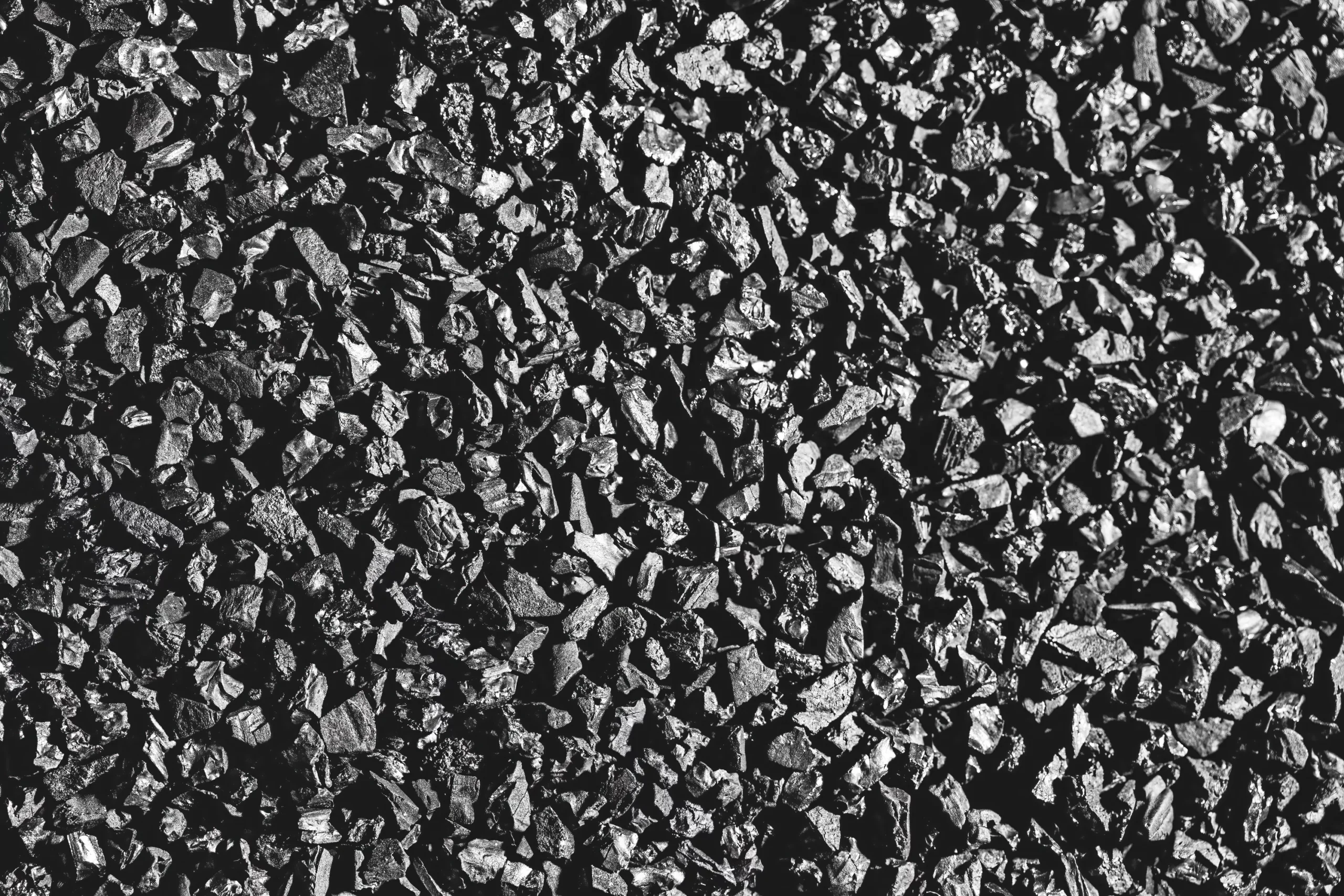
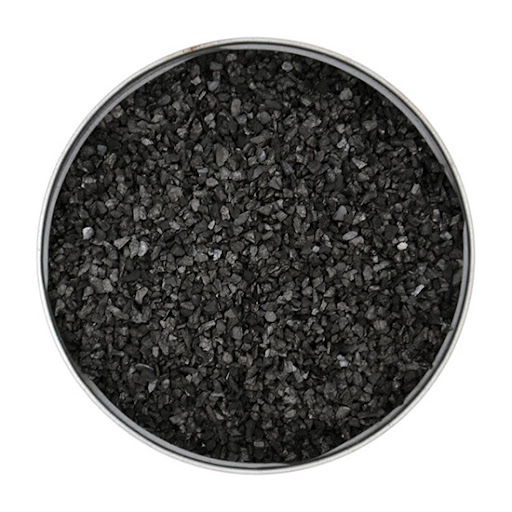
Activated Carbon for Specialty Gas Filtration

£75.29

Activated carbon is widely used for specialty gas filtration due to its highly porous structure and large surface area, which makes it highly effective at adsorbing a variety of gases and vapors. Here’s an overview of its role in specialty gas filtration:

1. Principle of Operation

Activated carbon works through a process called adsorption, where molecules from gases adhere to the surface of the carbon. The large surface area of activated carbon (typically between 500 and 1500 m²/g) allows it to trap significant amounts of gas molecules.

2. Types of Gases Filtered

Activated carbon is particularly useful for removing:

  • Organic compounds: Volatile organic compounds (VOCs), solvents, and hydrocarbons.
  • Odors: In industrial applications, activated carbon is used to remove unpleasant odors from gases.
  • Acid gases: Certain forms of activated carbon can also adsorb acid gases like hydrogen sulfide (H₂S), carbon dioxide (CO₂), and ammonia (NH₃), depending on the type of carbon and its treatment.
  • Chlorine and other reactive gases: Specialized activated carbons can be used for filtering reactive gases like chlorine (Cl₂) and ozone (O₃).

3. Applications in Specialty Gas Filtration

  • Chemical Processing: Activated carbon filters are used to purify gases in the chemical industry, especially in operations involving the production or handling of volatile chemicals.
  • Semiconductor Manufacturing: In semiconductor clean rooms, activated carbon is used to ensure ultra-clean air and remove trace contaminants that could damage the delicate manufacturing processes.
  • Environmental Control: Activated carbon is employed in air and water treatment systems to remove industrial pollutants and environmental contaminants.
  • Medical and Laboratory Applications: Activated carbon is often used to purify air in environments where the presence of certain gases could be hazardous, such as laboratories and medical facilities.

4. Regeneration and Maintenance

Activated carbon eventually becomes saturated with the contaminants it adsorbs and needs to be regenerated or replaced. Regeneration typically involves heating the carbon to high temperatures to release the adsorbed substances, which can then be collected for disposal or reuse.

5. Factors Influencing Performance

  • Pore structure: The specific surface area, pore size distribution, and pore volume all affect the ability of the carbon to adsorb different gases.
  • Gas flow rate: The speed at which gases flow through the filter impacts the adsorption capacity and efficiency of activated carbon.
  • Gas composition: Different gases have different affinities for adsorption by activated carbon. The presence of certain gases (e.g., water vapor or oxygen) can either enhance or inhibit adsorption.

6. Specialty Activated Carbons

Some activated carbons are specially treated to enhance their selectivity and capacity for certain gases. These include:

  • Impregnated activated carbon: Treated with chemicals to target specific contaminants like acids or mercury vapor.
  • Catalytic activated carbon: Modified with catalytic properties to break down specific gases, such as formaldehyde or certain organic vapors.

In conclusion, activated carbon is an effective and versatile material for specialty gas filtration, especially in applications requiring high purity and low levels of contaminants. Its large surface area, ability to adsorb various gases, and customizability through treatments make it an ideal choice for many industries.

Category:

Description

The Unsung Hero of Specialty Gas Filtration: Activated Carbon

In industries reliant on high-purity specialty gases, ensuring the utmost cleanliness of these crucial components is paramount. From semiconductor manufacturing to research laboratories, even trace contaminants can have devastating consequences on sensitive processes and end products. While various filtration methods exist, activated carbon stands out as a powerful and versatile solution for specialty gas purification.

Understanding the Power of Adsorption

Activated carbon’s efficacy lies in its exceptional adsorption capabilities. This material boasts a vast internal surface area – a single gram can have the equivalent surface area of a tennis court! This expansive surface is riddled with microscopic pores and crevices, providing ample sites for molecules to adhere to. This process, known as adsorption, is based on weak intermolecular forces (Van der Waals forces) that attract and retain contaminants from the gas stream onto the activated carbon surface.

Why Activated Carbon for Specialty Gases?

Several factors contribute to activated carbon’s widespread use in specialty gas filtration:

  • Broad Spectrum Removal: Unlike some filtration technologies that target specific contaminant types, activated carbon is capable of removing a wide range of impurities. This includes volatile organic compounds (VOCs), hydrocarbons, sulfur compounds, moisture, and even certain metal vapors. This broad spectrum capability makes it a cost-effective solution for complex gas mixtures with diverse contamination profiles.
  • High Efficiency: Activated carbon filters can achieve extremely high removal efficiencies, often exceeding 99.9%. This level of purification is essential for industries where even parts-per-billion levels of contamination can be detrimental.
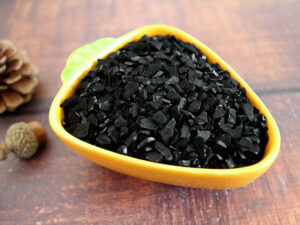
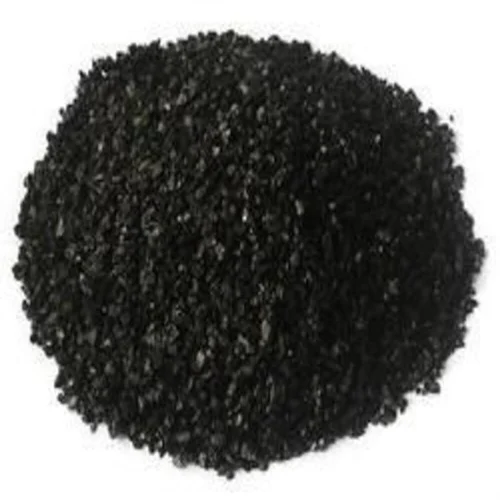
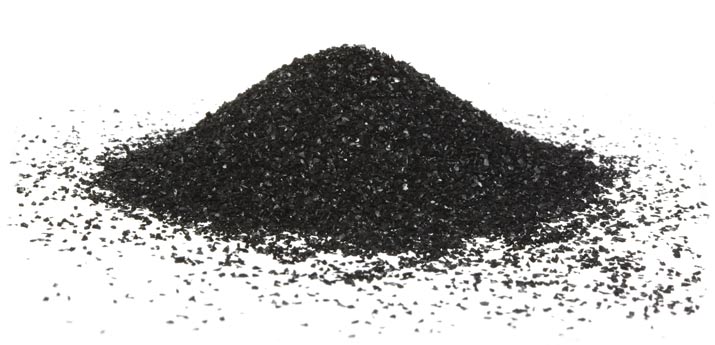
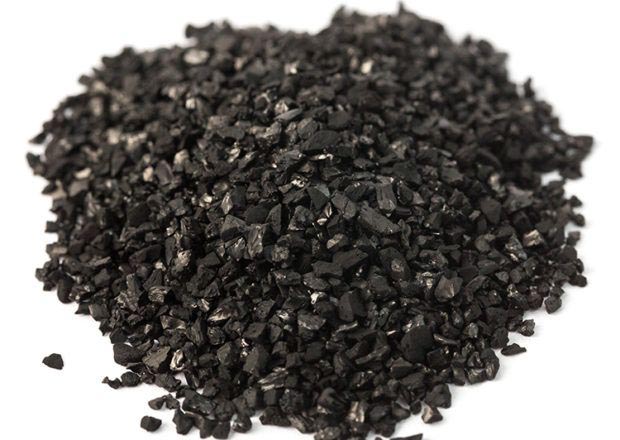
  • Versatility and Customization: Activated carbon is available in various forms, including granular, powdered, and impregnated varieties. This allows for customization based on the specific contaminants, gas flow rate, and operating conditions. Different activation processes and impregnation agents can be used to enhance its effectiveness against specific target pollutants.
  • Cost-Effectiveness: Compared to some advanced filtration technologies, activated carbon offers a cost-effective solution for gas purification. The relatively low cost of the material and its high capacity for adsorption make it an attractive option for many applications.

Applications Across Diverse Industries

The widespread adoption of activated carbon in specialty gas filtration is evident in various industries:

  • Semiconductor Manufacturing: Critical processes like etching, deposition, and lithography require ultrapure gases. Activated carbon filters remove contaminants that can compromise the fabrication of microchips and other electronic components.
  • Pharmaceuticals: The production of pharmaceuticals demands high-purity gases for various applications, including synthesis, packaging, and sterilization. Activated carbon ensures the elimination of contaminants that could affect product quality and safety.
  • Research Laboratories: Scientific research often relies on highly controlled environments and pure gases. Activated carbon filters are used to maintain the integrity of experiments by removing impurities that could interfere with results.
  • Medical Gas Delivery: In medical settings, activated carbon plays a role in ensuring the purity of anesthetic gases and other medical-grade gases, safeguarding patient health.
  • Aerospace: The aerospace industry utilizes specialty gases in various manufacturing and testing processes. Activated carbon filters contribute to the production of reliable and high-performance aerospace components.

Considerations for Optimal Performance

While activated carbon is a versatile and efficient filtration medium, optimal performance depends on several factors:

  • Contaminant Type and Concentration: The specific contaminants present and their concentration levels influence the choice of activated carbon grade and filter design.
  • Gas Flow Rate and Pressure: The gas flow rate and pressure affect the residence time of the gas within the filter, impacting adsorption efficiency.
  • Temperature and Humidity: These parameters can influence the adsorption capacity of activated carbon. High humidity, for example, can reduce its effectiveness by occupying adsorption sites with water molecules.
  • Regular Monitoring and Replacement: Activated carbon has a finite adsorption capacity. Regular monitoring of filter performance and timely replacement are crucial to maintain optimal gas purity.

Looking Ahead: Innovation in Activated Carbon Technology

Research and development efforts are continuously improving activated carbon technology for specialty gas filtration. This includes:

  • Novel Activation Methods: Exploring new activation processes to create activated carbon with even higher surface areas and tailored pore structures.
  • Impregnation Technology: Developing new impregnation agents to enhance the selectivity and effectiveness of activated carbon against specific contaminants.
  • Regeneration Techniques: Improving methods for regenerating spent activated carbon, reducing waste and promoting sustainability.

Conclusion

Activated carbon remains a cornerstone of specialty gas filtration, providing a cost-effective, versatile, and highly efficient solution for a wide range of applications. Its ability to remove diverse contaminants, coupled with ongoing advancements in the technology, ensures its continued importance in industries demanding the highest levels of gas purity. As industries push the boundaries of technology and innovation, the unsung hero of specialty gas filtration, activated carbon, will continue to play a vital role in enabling progress.

Reviews

There are no reviews yet.

Be the first to review “Activated Carbon for Specialty Gas Filtration”

Your email address will not be published. Required fields are marked *

Add to cart