
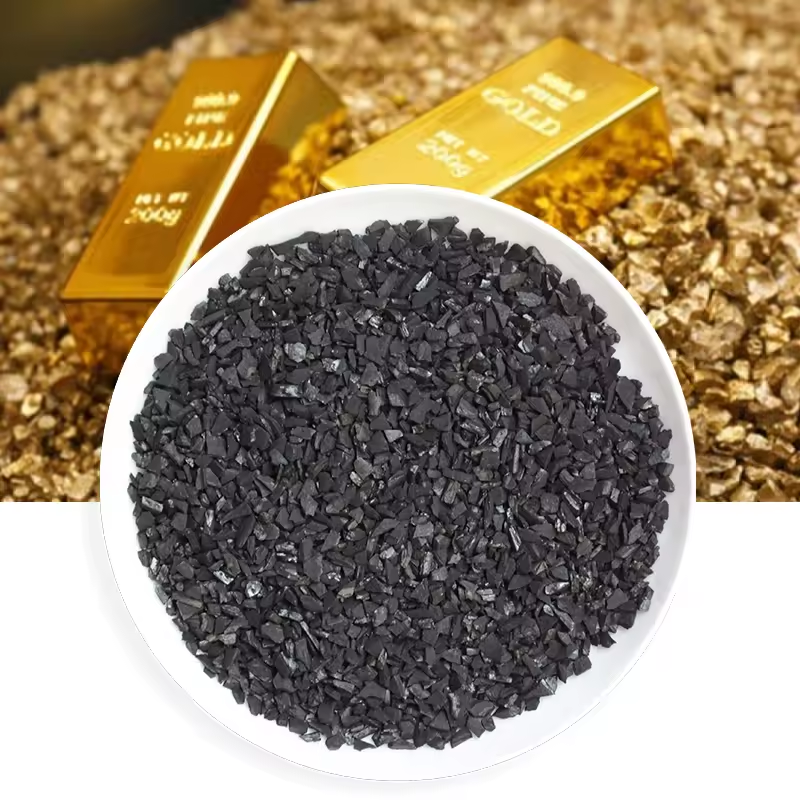
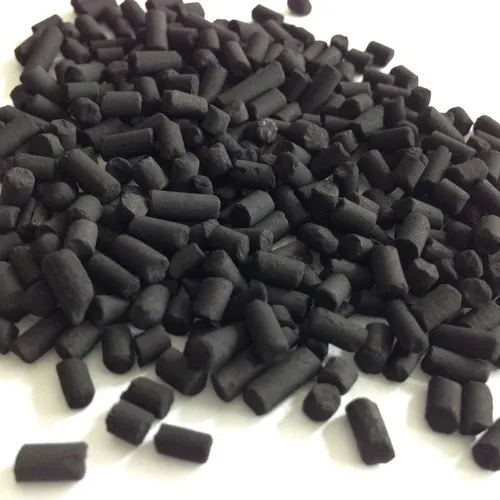
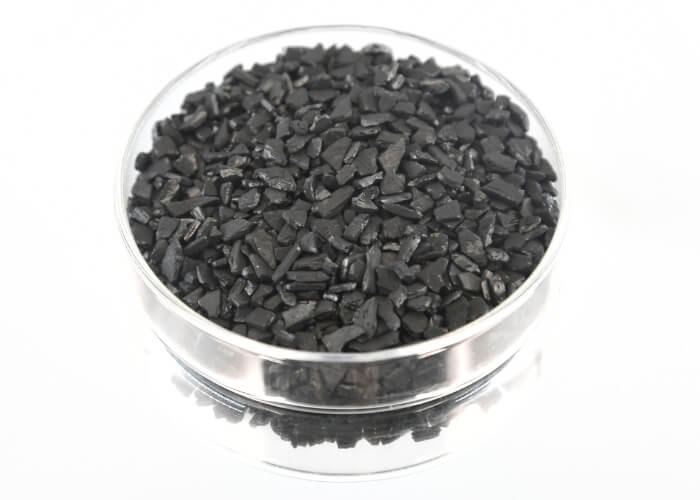

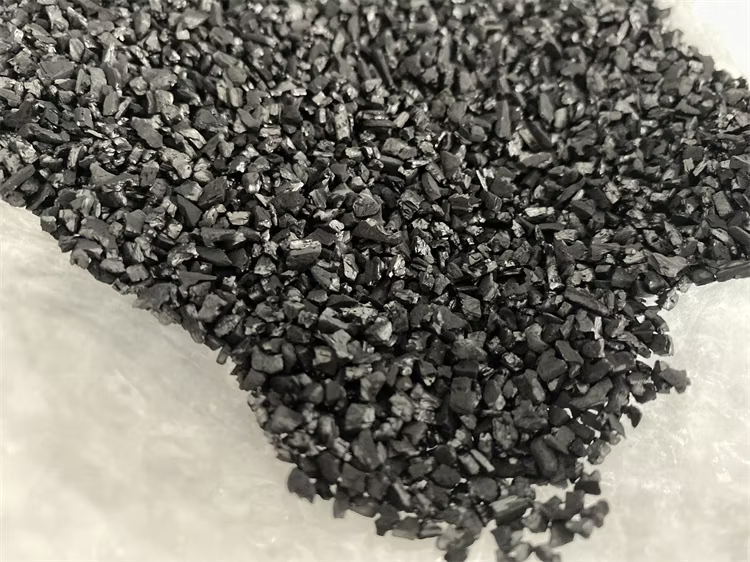
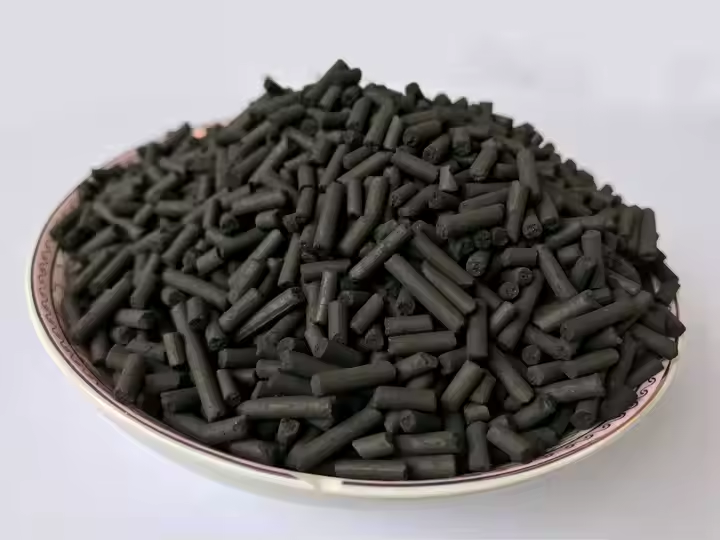
Activated Carbon for Gold Recovery

£150,000.00

Activated Carbon for Gold Recovery: Benefits, Prescription, Nutritional Information, Ingredients

Introduction

Activated carbon is a powerful tool in the process of gold recovery, offering a wide range of benefits to those in the industry. From increasing efficiency to reducing environmental impact, activated carbon plays a crucial role in the extraction of gold from ore. In this article, we will explore the benefits of using activated carbon for gold recovery, discuss its prescription in the industry, delve into its nutritional information, and highlight its key ingredients.

Benefits of Activated Carbon for Gold Recovery

Activated carbon is highly effective in the adsorption of gold particles, making it an essential component in the gold recovery process. Some of the key benefits of using activated carbon include:

  1. High Adsorption Capacity: Activated carbon has a large surface area and pore structure, allowing it to adsorb high amounts of gold particles efficiently.
  2. Selective Adsorption: Activated carbon can selectively adsorb gold over other metals, ensuring a high recovery rate.
  3. Regeneration: Activated carbon can be regenerated multiple times, making it a cost-effective solution for gold recovery.
  4. Environmental Benefits: Using activated carbon reduces the use of toxic chemicals in the extraction process, minimizing environmental impact.

Prescription of Activated Carbon in Gold Recovery

In the gold recovery industry, the prescription of activated carbon involves carefully selecting the right type of carbon for the specific ore and recovery process. Factors such as pore size, surface area, and hardness play a crucial role in determining the effectiveness of activated carbon for gold recovery. Consulting with experts in the field is essential to ensure the optimal prescription of activated carbon for each unique situation.

Nutritional Information of Activated Carbon

While activated carbon is not consumed for nutritional purposes, it is important to understand its properties for safe handling and usage in the gold recovery process. Activated carbon is a non-toxic substance that is safe for use in various applications, including gold recovery. It is essential to follow proper guidelines and protocols to ensure the effective and safe use of activated carbon in the extraction process.

Key Ingredients of Activated Carbon

Activated carbon is primarily made from organic materials such as coconut shells, wood, or coal. These raw materials undergo a process of activation, which involves heating them to high temperatures in the presence of steam. This process creates a highly porous structure with a large surface area, making activated carbon ideal for adsorption purposes. The key ingredients of activated carbon are essential for its effectiveness in gold recovery and other applications.

Conclusion

Activated carbon is a versatile and powerful tool in the gold recovery industry, offering a wide range of benefits and advantages. From its high adsorption capacity to its environmentally friendly properties, activated carbon plays a crucial role in the extraction of gold from ore. Understanding the prescription, nutritional information, and key ingredients of activated carbon is essential for maximizing its effectiveness in the gold recovery process. By harnessing the power of activated carbon, gold recovery operations can achieve higher efficiency, lower costs, and reduced environmental impact.

Category:

Description

Activated Carbon: The Gold Standard for Gold Recovery

For centuries, the allure of gold has driven innovation in extraction and refinement techniques. While traditional methods have their place, modern gold recovery heavily relies on a powerful and versatile material: activated carbon. Its unique properties make it a cornerstone of efficient and cost-effective gold extraction from ore and other sources.

What Makes Activated Carbon So Effective?

Activated carbon isn’t your average charcoal. It’s a highly processed form of carbon material, typically derived from coconut shells, coal, or wood, that has been treated to significantly increase its surface area. This process creates a vast network of pores, making it highly absorbent. Think of it like a microscopic sponge, only instead of water, it soaks up gold.

Here’s a breakdown of the key properties that make activated carbon ideal for gold recovery:

  • High Surface Area: As mentioned, the massive surface area, often reaching hundreds or even thousands of square meters per gram, provides countless sites for gold ions to attach to.
  • Strong Adsorption Capacity: Activated carbon possesses a strong affinity for gold ions, effectively capturing them from solution. This adsorption process is driven by a combination of factors, including Van der Waals forces and, in some cases, chemical bonding.
  • Chemical Inertness: Activated carbon is generally chemically inert, meaning it doesn’t readily react with other chemicals in the solution, ensuring it selectively targets gold without degrading itself.
  • Mechanical Strength and Hardness: The activated carbon needs to withstand the rigors of the extraction process, including agitation, pumping, and potential attrition. Strength and hardness are critical for maintaining its integrity and preventing excessive fines.
  • Controlled Pore Size Distribution: The size and distribution of the pores within the activated carbon are crucial for efficient gold adsorption. Specific pore sizes are optimized to accommodate the size of gold ions and allow for their rapid diffusion into the internal structure.

The Carbon-in-Pulp (CIP) and Carbon-in-Leach (CIL) Processes

The most common applications of activated carbon in gold recovery are the Carbon-in-Pulp (CIP) and Carbon-in-Leach (CIL) processes. These techniques revolutionized gold extraction by simplifying and improving efficiency.

  • Carbon-in-Pulp (CIP): In this process, the gold ore is first finely ground and leached with a cyanide solution. This cyanide solution dissolves the gold, forming gold cyanide complexes. The slurry, containing the dissolved gold, is then mixed with activated carbon. The activated carbon adsorbs the gold cyanide complexes. The carbon is then separated from the pulp by screening, and the gold is recovered from the carbon through a process called elution.
  • Carbon-in-Leach (CIL): The CIL process combines leaching and adsorption in a single step. Finely ground ore is mixed with cyanide and activated carbon in leach tanks. As the gold dissolves in the cyanide solution, it is immediately adsorbed onto the activated carbon. This eliminates the need for a separate leaching stage, making the CIL process more efficient and cost-effective, especially for ores that are difficult to leach.

Benefits of Using Activated Carbon for Gold Recovery

The adoption of activated carbon in gold recovery has significantly improved the industry, offering numerous advantages:

  • High Gold Recovery Rates: CIP and CIL processes using activated carbon can achieve gold recovery rates exceeding 90% in many situations.
  • Cost-Effectiveness: These processes are often more economical compared to other techniques, especially for low-grade ores.
  • Reduced Environmental Impact: Activated carbon can be regenerated and reused, minimizing waste and environmental impact.
  • Versatility: Activated carbon is suitable for various gold ore types, including those containing clay or organic matter.
  • Ease of Operation: CIP and CIL processes are relatively simple to operate and maintain, reducing labor costs.

Future Trends

The field of activated carbon in gold recovery continues to evolve. Research is focused on:

  • Developing more efficient and selective activated carbons: This includes exploring modified carbon materials with enhanced gold adsorption capacity and improved resistance to fouling.
  • Optimizing CIP and CIL process parameters: Research is focused on improving process efficiency by fine-tuning factors such as carbon concentration, particle size, and retention time.
  • Exploring the use of activated carbon for recovering gold from electronic waste: This is becoming increasingly important as the volume of e-waste continues to grow.

Conclusion

Activated carbon has undoubtedly revolutionized gold recovery, providing a highly effective, efficient, and relatively environmentally friendly method for extracting gold from various sources. Its unique properties and the well-established CIP and CIL processes make it a vital tool for the gold mining industry. As research and development continue, we can expect even greater improvements in the efficiency and sustainability of gold recovery using this remarkable material.

Additional information

Price

per ton

Reviews

There are no reviews yet.

Be the first to review “Activated Carbon for Gold Recovery”

Your email address will not be published. Required fields are marked *

Add to cart